Featured Article
Dealing with Storm Damage During The El Niño 2026 Hurricane Season
Every hurricane season brings uncertainty, but 2026 has a specific climate story worth understanding if you manage a commercial property. The El Niño 2026 hurricane season is being shaped by one of the strongest El Niño events on record, and while that changes the odds for Atlantic storm activity, it does not mean commercial property owners can let their guard down. Knowing what to expect and having a plan for storm damage response and restoration before a weather event strikes is what separates a manageable claim from a business-disrupting one.
In this guide, we will cover:
- What El Niño means for the 2026 hurricane season and your property
- Why a below-average season still creates real risk for commercial buildings
- The types of storm damage most common in El Niño years
- What to do immediately after storm damage is discovered
- Common questions property owners ask before and after a major storm
What El Niño Means for the 2026 Hurricane Season
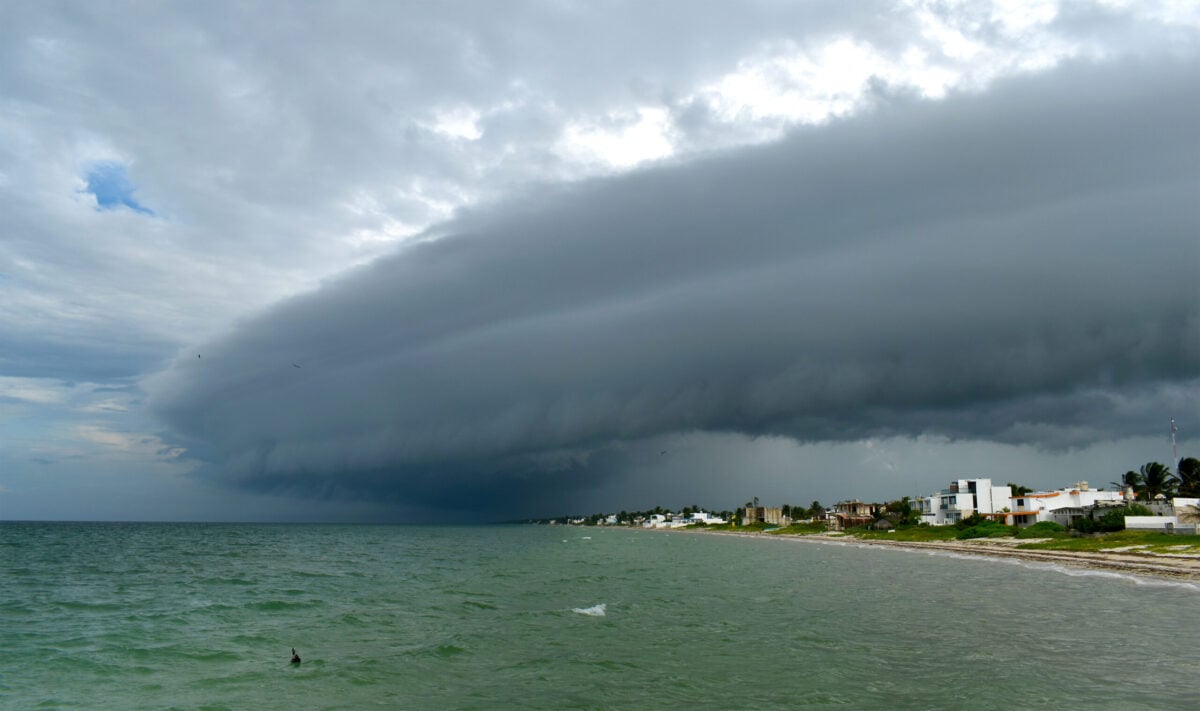
El Niño is a natural climate pattern defined by warmer-than-average sea surface temperatures in the equatorial Pacific, and it influences weather patterns across the globe. What forecasters are calling a super El Niño, with a 63% chance of sea surface temperatures exceeding 2.0°C above average in the monitored Pacific region, is now strengthening El Niño conditions heading into the peak of the 2026 season. Its most well-documented effect on Atlantic Ocean hurricane activity is suppression through increased vertical wind shear, which disrupts the atmospheric conditions that allow tropical storms to organize and intensify.
According to NOAA’s official 2026 Atlantic Hurricane Season Outlook, NOAA is predicting a below-normal 2026 Atlantic hurricane season, with a 75% probability of below-average activity and an expected range of 7 to 13 named storms, including 2 to 6 hurricanes. That is a meaningful reduction from the above-normal seasons the Atlantic basin has seen in recent years.
Properties across the Dallas-Fort Worth area and the surrounding region sit well inland from the Gulf Coast, but severe storm events including hail, tornadoes, straight-line winds, and heavy rain remain significant threats regardless of Atlantic hurricane activity. We’re proud to serve home and business owners in the DFW area and nearby communities with commercial storm damage restoration and more.
Why Below-Average Does Not Mean No Risk
A below average season still produces hurricanes. It still produces severe thunderstorms, hail events, tornadoes, and flash flooding across the interior United States. The 2026 season has already seen Tropical Storm Arthur and Tropical Storm Bertha form in the Gulf earlier this summer, a reminder that even quiet El Niño seasons produce real tropical storm risk. Unlike the historically devastating El Niño seasons of 1997 and 2015, which produced catastrophic activity in the Pacific while suppressing the Atlantic, the pattern does not eliminate Gulf Coast and overland storm threats for commercial property owners in Texas, Missouri, Kentucky, Tennessee, and Georgia.
5 Types of Storm Damage Most Likely in El Niño Years
The shift toward fewer Atlantic hurricanes does not eliminate the weather patterns that cause the most commercial roof damage across the South and Midwest. These five damage types remain highly relevant throughout the 2026 season.
1. Hail Damage
Hail is one of the most destructive and most commonly overlooked forms of storm damage on commercial roofs. El Niño years correlate with increased severe thunderstorm and hail activity across portions of the central and southern United States, which sits right in Advanced Solutions’ primary service areas.
- What it looks like: Granule loss on shingles, bruising or punctures on single-ply membranes, and dents or coating damage on metal roofing panels.
- Why it matters now: Hail damage is not always visible from the ground and often goes unreported until a subsequent rain event causes a leak, which can complicate the insurance claim timeline.
2. Wind and Uplift Damage
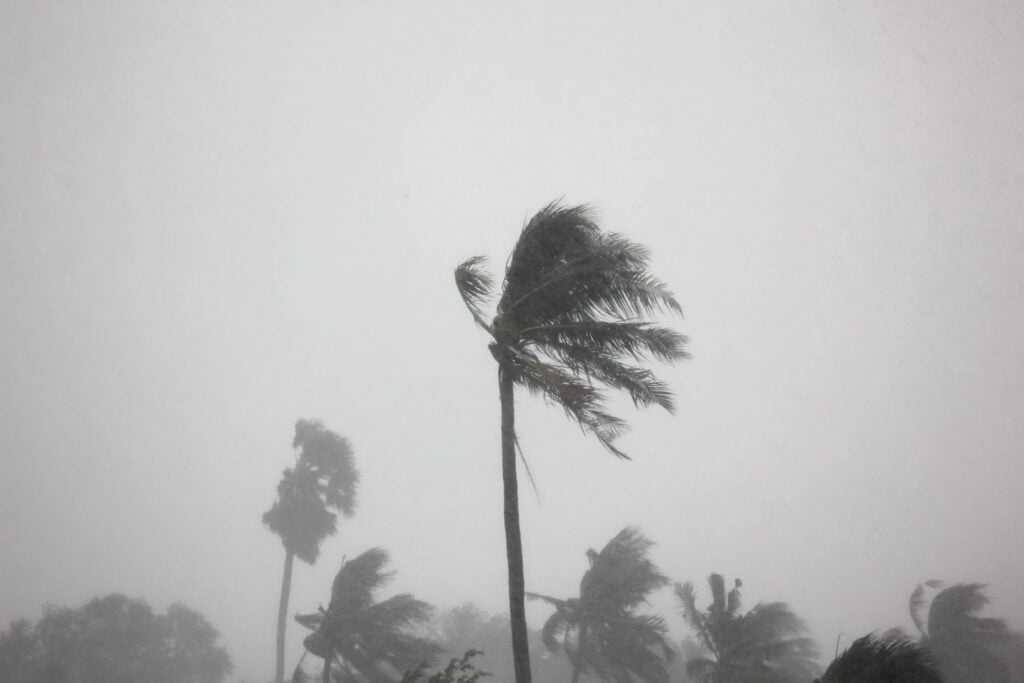
Severe thunderstorms, derechos, and tornado activity continue across the central U.S. regardless of Atlantic hurricane suppression. Tropical storm force winds, defined as sustained winds of 39 mph or higher, can also accompany remnant moisture from Gulf systems that weaken before reaching inland commercial properties, causing edge lifting, seam separation, and outright membrane or shingle loss.
- What it looks like: Lifted or displaced shingles, torn membrane edges, missing ridge caps, and displaced flashing around HVAC units and penetrations.
- Why it matters now: Wind damage that is not addressed immediately creates open entry points that worsen with every subsequent rain event, quickly turning a repair into a replacement.
3. Flash Flooding and Drainage Overload
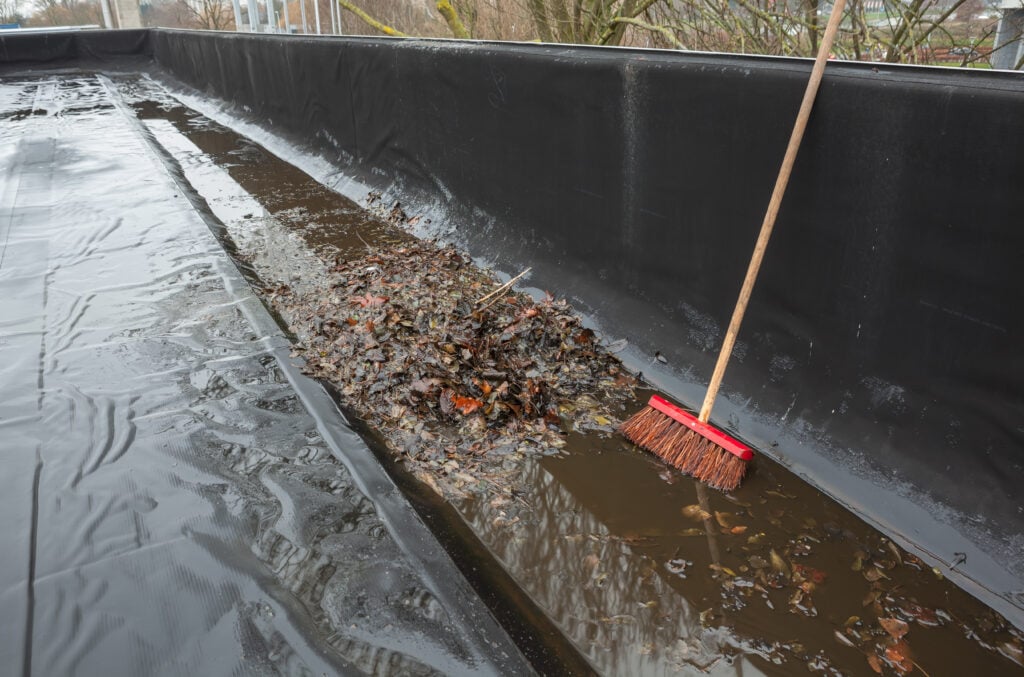
El Niño tends to bring above-average rainfall to the southern tier of the United States, particularly from fall through winter. Commercial roofs that already have drainage challenges become more vulnerable when rainfall intensity increases.
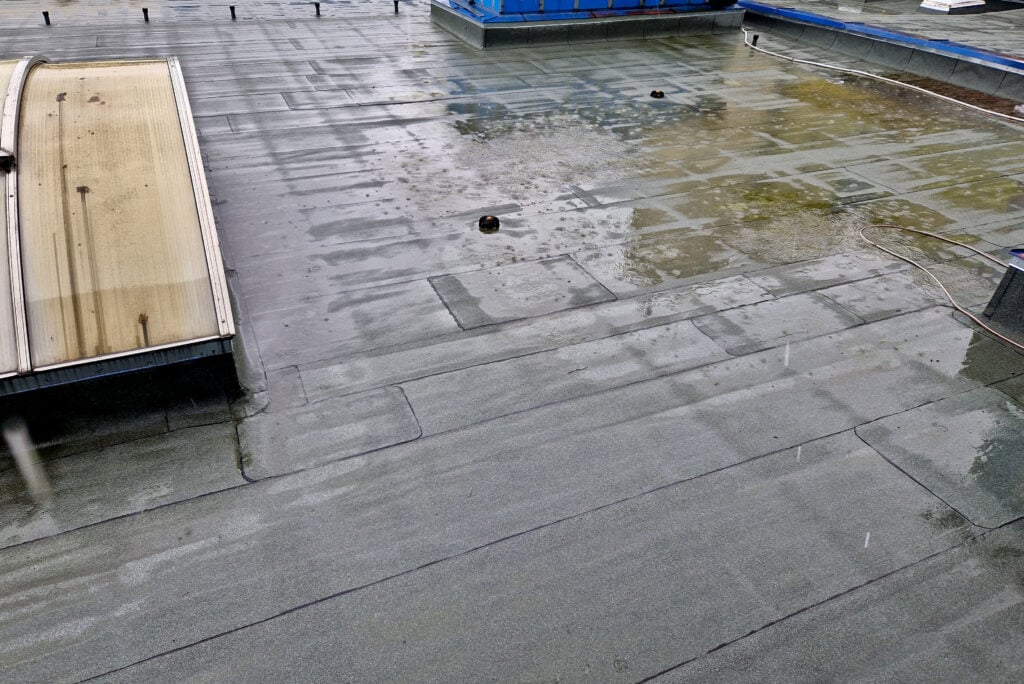
- What it looks like: Ponding water that remains for extended periods after storms, interior leaks near drains and scuppers, and membrane stress from chronic water weight.
- Why it matters now: Roofs that managed marginal drainage conditions in prior seasons may be pushed past their limits by the heavier and more frequent rainfall patterns associated with El Niño.
4. Debris Impact from Severe Storms
High-wind events, even those not associated with hurricanes, drive tree branches, construction materials, and other debris onto commercial rooftops at speeds sufficient to puncture membranes and damage flashings.
- What it looks like: Punctures or tears in the membrane field, cracked flashing, crushed HVAC units, and penetrations through older or thinner roofing materials.
- Why it matters now: A single debris impact on an aging membrane creates a breach that may not show up as an interior leak for days or weeks, by which point insulation and decking may already be damaged.
5. Late Season Gulf Coast Hurricane Activity
While El Niño suppresses overall Atlantic activity, it does not eliminate all storm risk. Individual storms can and do form and make landfall during suppressed seasons, and late season storms from October through November are still possible across the Gulf Coast states.
- What it looks like: Sustained wind damage across large roof areas, storm surge-related water intrusion in coastal and near-coastal buildings, and widespread membrane failure on older systems.
- Why it matters now: Property owners who relax their storm preparedness because of a below-average forecast are the ones who get caught without a response plan when an individual storm does make landfall.
What to Do Immediately After Storm Damage Is Discovered
How a property owner responds in the first 24 to 72 hours after a storm event significantly affects both the extent of the final damage and the outcome of an insurance claim.
- Inspect the roof as soon as it is safe to do so: Waiting increases the chance of additional water intrusion before a temporary repair can be made.
- Document everything before cleanup begins: Photos and video of the breach point, interior damage, and any standing water are critical for supporting an insurance claim.
- Get a temporary repair in place quickly: Emergency tarping or membrane patching stops ongoing water entry while a full assessment and permanent repair are planned.
- Notify your insurance carrier promptly: Most commercial policies require timely notification of damage, and delays can create coverage complications.
- Work with a contractor experienced in storm damage documentation: A roofing contractor who understands insurance claim requirements can help ensure the damage is documented in a way that supports the full scope of the claim.
Preparing Your Commercial Roof Before the Season Ends
The 2026 hurricane season runs through November 30. Property owners who have not had a professional roof inspection since last season still have time to identify vulnerabilities before the peak of remaining storm activity.
| Preparation Step | Why It Matters |
| Professional roof inspection | Identifies existing vulnerabilities before a storm exposes them |
| Drain and scupper clearing | Prevents flash flooding from overwhelming drainage capacity |
| Flashing and sealant check | Closes common entry points before wind and rain can exploit them |
| Documentation of current roof condition | Establishes pre-storm baseline for insurance claims |
| Emergency contact on file | Ensures fast response when a storm event requires immediate action |
Common FAQs About Storm Damage and the 2026 Season
Commercial property owners managing roofs ahead of and during storm season tend to ask similar questions. Here are the ones we hear most often.
Does a below-average hurricane season mean I don’t need to worry about storm damage?
Not at all. Below-average refers specifically to named storm counts in the Atlantic basin. Hail, severe thunderstorms, tornadoes, and heavy rain continue throughout the season and are responsible for the majority of commercial roof storm damage across the central and southern United States.
How does El Niño affect weather in Texas, Tennessee, and the central U.S.?
El Niño typically brings wetter than average conditions to the southern tier of the U.S. during fall and winter, which increases the risk of flash flooding and drainage-related roof damage. Severe thunderstorm activity also tends to remain elevated across the region regardless of Atlantic hurricane suppression.
What is the most important thing I can do for my roof before storm season peaks?
Schedule a professional inspection now. A qualified roofing contractor can identify weaknesses in your flashing, drainage, and membrane that a storm will exploit, and getting ahead of those issues is almost always less expensive than emergency repair after the fact.
How quickly should storm damage be reported to my insurance carrier?
As soon as possible. Most commercial property policies have notification requirements, and delays in reporting can complicate coverage. Document the damage thoroughly before cleanup begins and contact your carrier on the same day damage is discovered when possible.
Can a roofing contractor help with the insurance claim process?
Yes. An experienced commercial roofing contractor can provide written inspection reports, photo documentation, and damage assessments that support a claim. Some contractors work directly with insurance adjusters during the inspection process.
Advanced Solutions: Ready When the Storm Hits
A below-average hurricane forecast does not mean a damage-free season for commercial property owners, and the property owners who fare best in any storm season are the ones who prepared before the weather turned. Advanced Solutions has helped property owners across Texas, Missouri, Kentucky, Tennessee, and Georgia respond to storm damage quickly, document losses accurately, and restore their roofing systems with minimal disruption to daily operations.
Whether you need a pre-storm inspection or are dealing with damage right now, do not wait for the situation to get worse. Get in touch with our storm damage team and let us help you protect your property through the rest of the 2026 season.

Recent Articles