Featured Article
Single Ply Membrane Roofing Explained
Single ply membrane roofing is one of the most widely used commercial roofing solutions for flat roofs and low-slope buildings. Known for its durability, flexibility, and energy efficiency, this roofing system is commonly installed on warehouses, industrial facilities, retail buildings, and other commercial properties. Understanding how single ply membrane roofing works, the types available, and when it’s the right choice can help property owners make informed decisions about long-term roof performance.
- Designed for flat roofs: Commonly used on low-slope commercial buildings.
- Lightweight roofing system: Places less stress on the structure compared to heavier materials.
- Energy-efficient performance: Reflective membranes help reduce heat absorption.
- Durable waterproofing: Provides strong resistance against leaks and weather exposure.
What Is Single Ply Membrane Roofing
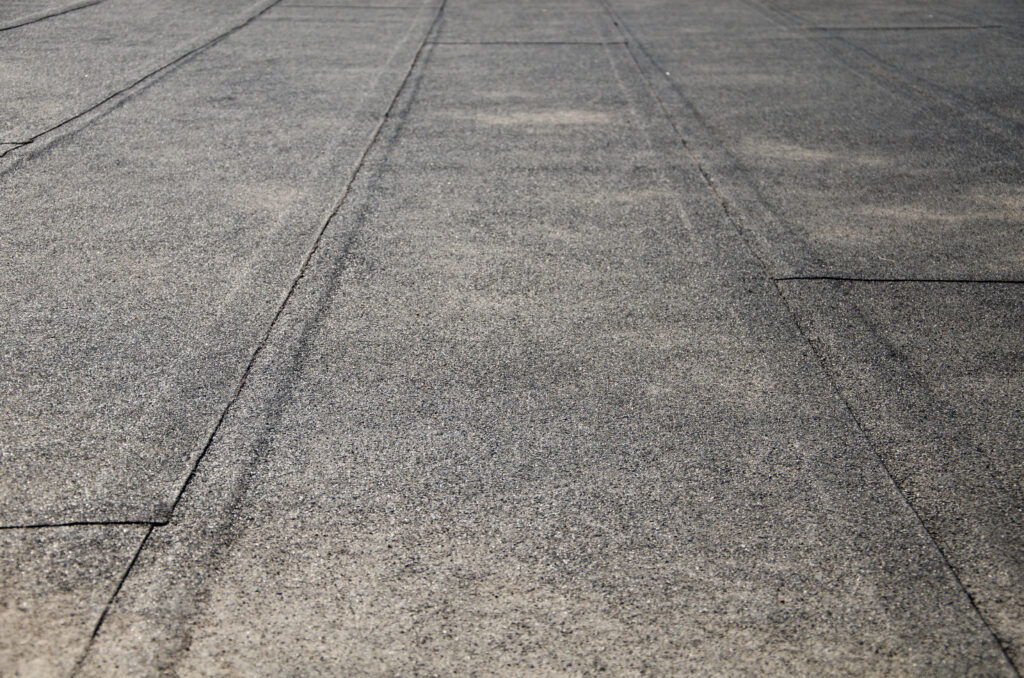
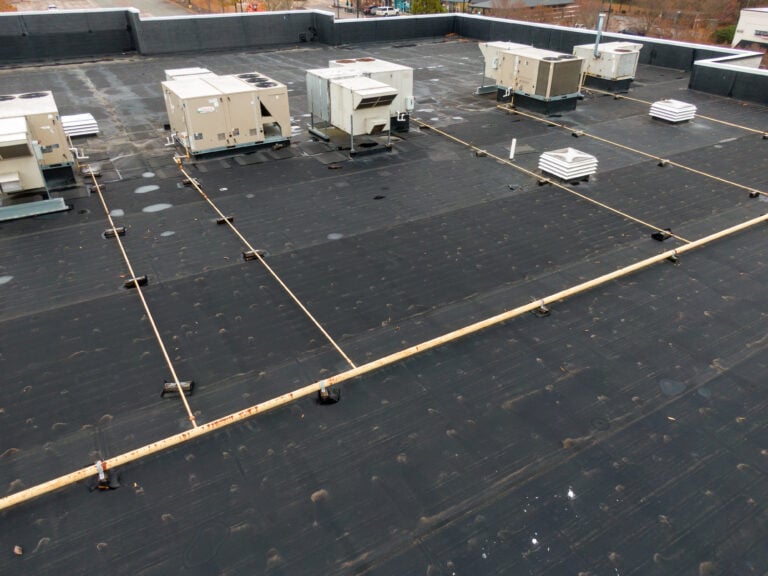
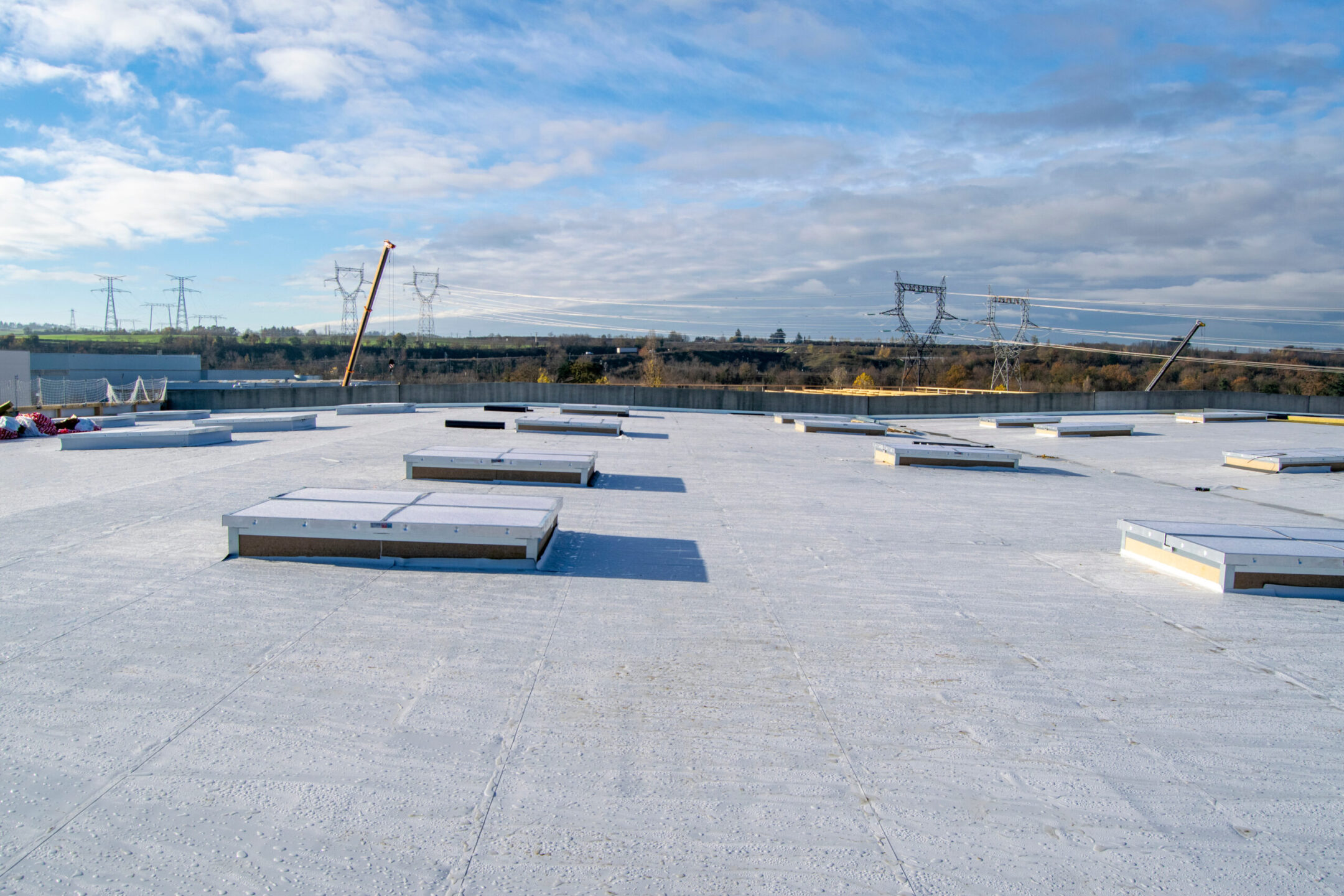
Single ply membrane roofing is a commercial roofing system made from flexible sheets of synthetic material designed to create a waterproof barrier across flat roofs and low-slope surfaces. Unlike multi-layer roofing systems, single ply roofing uses one primary membrane layer that is mechanically attached, adhered, or ballasted to the roof structure. According to SPRI, the recognized authority in the single-ply roofing industry, single-ply roofing makes up the vast majority of the low-slope commercial roofing market in North America, having grown in popularity since its origins in the 1960s due to its long service life, dependability, and ease of installation.
These roofing systems are popular because they combine durability, energy efficiency, and relatively fast installation while remaining lightweight and flexible.
3 Types of Single Ply Membrane Roofing
There are several types of single ply membrane roofing systems available, each offering different advantages depending on the building and environment.
1. TPO Roofing
TPO (Thermoplastic Polyolefin) is a highly reflective, heat-welded plastic membrane commonly used in roofing applications. Single-ply membranes like TPO are known for their excellent reflectivity, helping improve energy efficiency and reduce heat absorption on large commercial roofs.
- Reflective surface improves energy efficiency
- Resistant to UV exposure and weather damage
- Cost-effective option for commercial flat roofs
- Lightweight and flexible installation
2. PVC Roofing
PVC (Polyvinyl Chloride) is a highly durable plastic membrane recognized for its strength and fire resistance. Single-ply membranes like PVC offer strong chemical resistance, making them a common choice for industrial facilities, restaurants, and manufacturing buildings.
- Durable heat-welded seams
- Excellent waterproofing performance
- Resistant to grease and chemical exposure
- Long-lasting commercial roofing material
3. EPDM Roofing
EPDM is highly flexible and performs well in cold weather conditions, while TPO reflects heat well and is energy efficient.
- Strong flexibility in changing temperatures
- Resistant to weathering and impact damage
- Long lifespan with proper maintenance
- Effective performance in colder climates
Benefits of Single Ply Membrane Roofing
Single ply membrane roofing systems are popular because they provide a strong balance of performance, efficiency, and cost-effectiveness for commercial properties.
Energy Efficiency
Reflective roofing membranes can help reduce cooling costs by limiting heat transfer into the building. TPO and PVC roofing systems are especially effective at improving energy efficiency on large commercial roofs.
Lightweight Installation
Because the system uses a single membrane layer, it places less weight on the structure compared to heavier roofing systems like built-up roofing or modified bitumen.
Waterproof Protection
Single ply roofing systems create a durable waterproof barrier that helps prevent leaks and moisture intrusion when properly installed and maintained.
Installation Flexibility
These systems can often be installed using multiple attachment methods depending on the building requirements and existing roof condition.
- Mechanically attached systems
- Fully adhered systems
- Ballasted roofing systems
Common Uses for Single Ply Membrane Roofing
Single-ply membranes are lightweight, putting minimal structural stress on buildings while providing excellent resistance to UV radiation and harsh weather.
- Warehouses and distribution centers
- Industrial facilities
- Retail buildings
- Office buildings
- Healthcare and educational facilities
These roofing systems are especially common on commercial flat roofs where lightweight materials and waterproofing performance are priorities.
Single Ply Roofing vs Other Commercial Roofing Systems
Single ply membrane roofing differs from other commercial roofing systems in several important ways.
Compared to Modified Bitumen Roofing
Modified bitumen roofing uses multiple asphalt-based layers and generally offers greater resistance to heavy foot traffic, while single ply roofing provides lighter installation and better reflectivity.
Compared to Metal Roofing
Metal roofing systems provide exceptional lifespan and durability but often involve a higher upfront investment compared to single ply membrane roofing.
Compared to Built-Up Roofing
Built-up roofing systems use multiple layers for redundancy and durability, while single ply roofing systems focus on lightweight installation and simplified waterproofing performance.
What to Expect During Installation
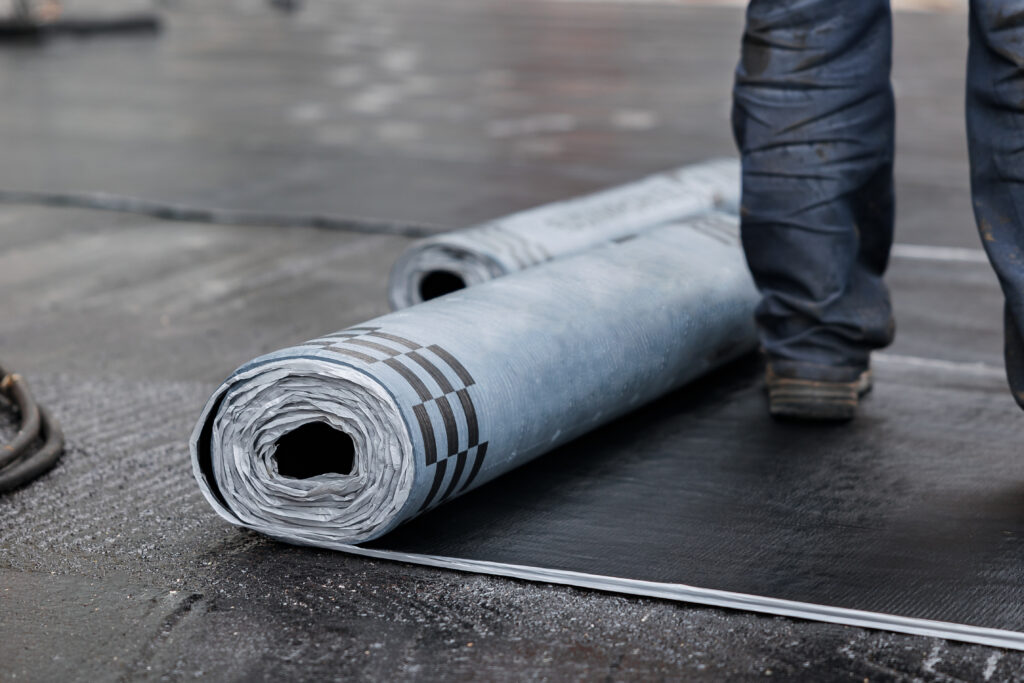
Installing single ply membrane roofing requires careful planning, preparation, and evaluation of the existing roof structure.
Roof Inspection and Preparation
Before installation begins, the roofing contractor evaluates the existing roof condition, insulation, drainage systems, and substrate performance. Moisture scanning and documentation may also be performed to identify hidden damage.
Deck Evaluation
The underlying deck should be inspected for rust, rot, moisture damage, or structural concerns before the new roofing system is installed.
Drainage and Tapering
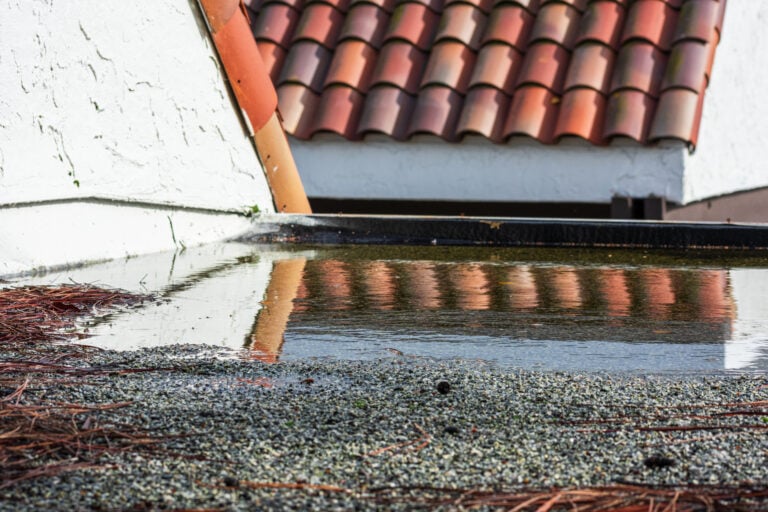
Drainage performance is critical for commercial flat roofs. In some cases, tapering improvements may be recommended to reduce ponding water and improve water flow.
Installation Process
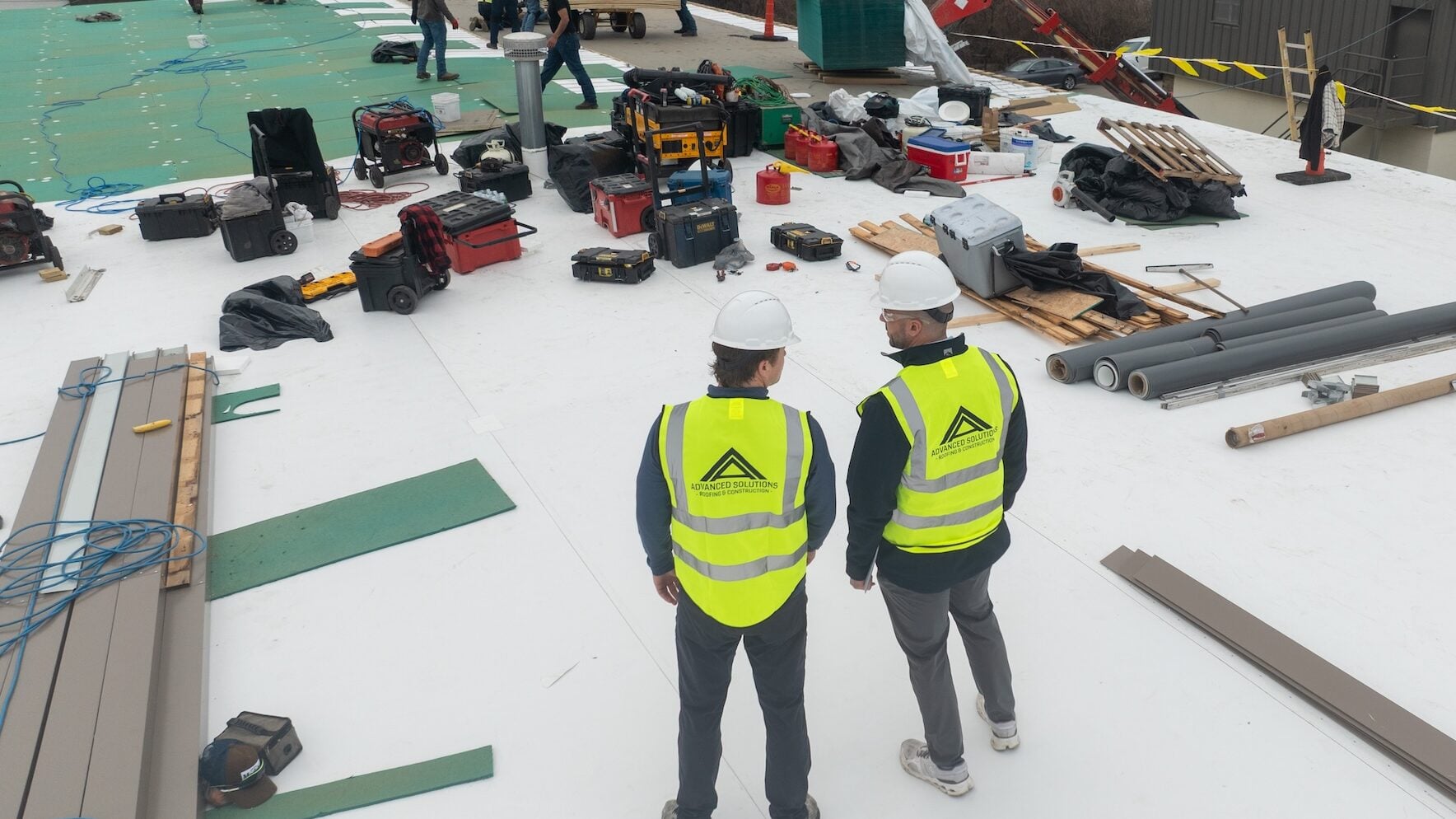
Depending on the roofing system selected, membranes may be mechanically attached, adhered, or heat welded to create a watertight seal across the roof surface.
Maintenance and Lifespan
Routine maintenance is important for maximizing the lifespan of single ply membrane roofing systems. Regular inspections help identify seam damage, punctures, flashing issues, and drainage problems before they become larger repairs.
- Schedule inspections twice per year
- Check seams and flashing regularly
- Keep drains and gutters clear
- Address punctures and damage early
Most single ply membrane roofing systems last between 20 and 30 years depending on the roofing material, climate conditions, installation quality, and maintenance history.
Common FAQs About Single Ply Membrane Roofing
Property owners often have questions about how single ply membrane roofing performs over time, what maintenance is required, and which roofing material is best for their building. Understanding the differences between TPO, PVC, and EPDM roofing systems helps businesses choose a solution that aligns with their operational needs, climate conditions, and long-term budget goals.
How long does single ply membrane roofing last?
Most systems last between 20 and 30 years with proper installation and regular maintenance.
What is the best single ply roofing material?
The best material depends on the building’s needs. TPO is popular for energy efficiency, PVC offers strong chemical resistance, and EPDM performs well in colder climates.
Is single ply membrane roofing good for flat roofs?
Yes. Single ply membrane roofing is specifically designed for flat roofs and low-slope commercial roofing systems.
Can single ply roofing improve energy efficiency?
Yes. Reflective membranes such as TPO and PVC can help reduce heat absorption and improve energy performance.
Does single ply roofing require maintenance?
Yes. Routine inspections and preventative maintenance help extend the roof’s lifespan and reduce the risk of leaks or membrane damage.
Choosing the right single ply membrane roofing system depends on factors like climate, building use, budget, and long-term maintenance goals. Working with an experienced commercial roofing contractor helps ensure the system is installed properly and designed for reliable long-term performance.
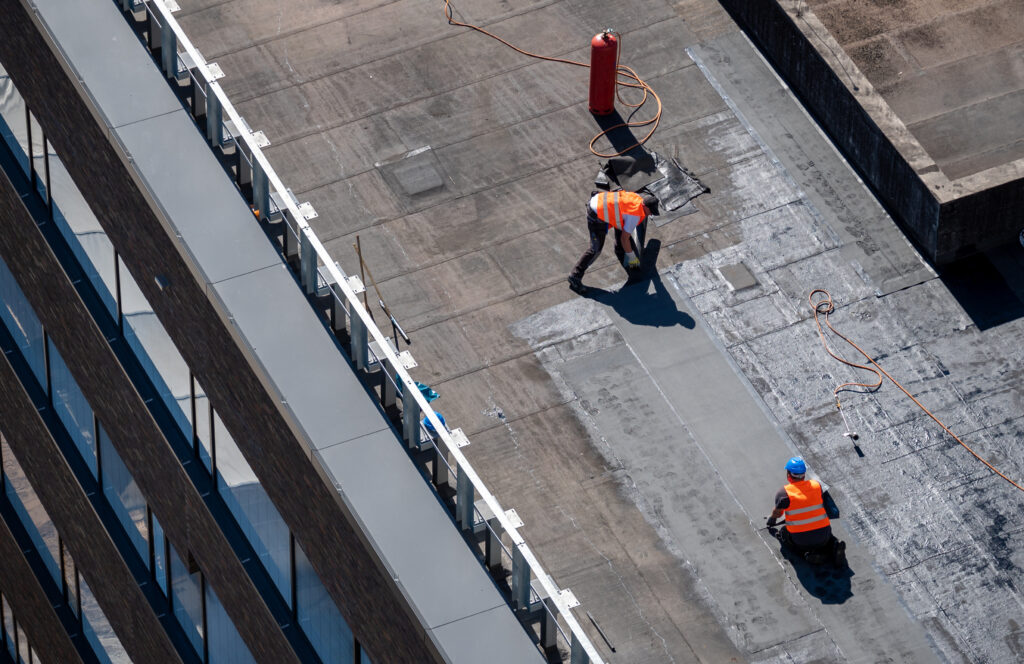
Trust Advanced Solutions for Single Ply Membrane Roofing
Advanced Solutions provides expert installation, replacement, and maintenance services for single ply membrane roofing systems. Our team works with commercial and industrial property owners to recommend the best roofing solution for long-term durability, waterproofing, and energy efficiency.
Whether you need TPO roofing, PVC roofing, EPDM roofing, or a full commercial roof replacement, Advanced Solutions delivers dependable roofing services designed to protect your property and support long-term performance. We proudly reside in Southlake, TX and serve commercial property owners nationwide. Contact us for a free estimate.