Featured Article
How a Storm Damage Roof Insurance Claim Really Works
Filing a storm damage roof insurance claim is one of the most consequential decisions a homeowner or property owner will make after a weather event, and most property owners go into it with far less information than the insurance company does. Understanding how the process actually unfolds, and where claims most commonly break down, is the difference between a claim that fully covers the damage and one that leaves significant costs on the table. Homeowners who have navigated storm damage restoration alongside an experienced roofing contractor consistently get better outcomes than those who go it alone.
In this guide, we will cover:
- Why storm-related roof claims are among the most contested
- The six steps of a storm damage roof insurance claim
- What insurance adjusters look for and how it affects your payout
- Common reasons claims are underpaid or denied
- Questions property owners ask before starting the process
Why Storm Roof Claims Are More Contested Than Most
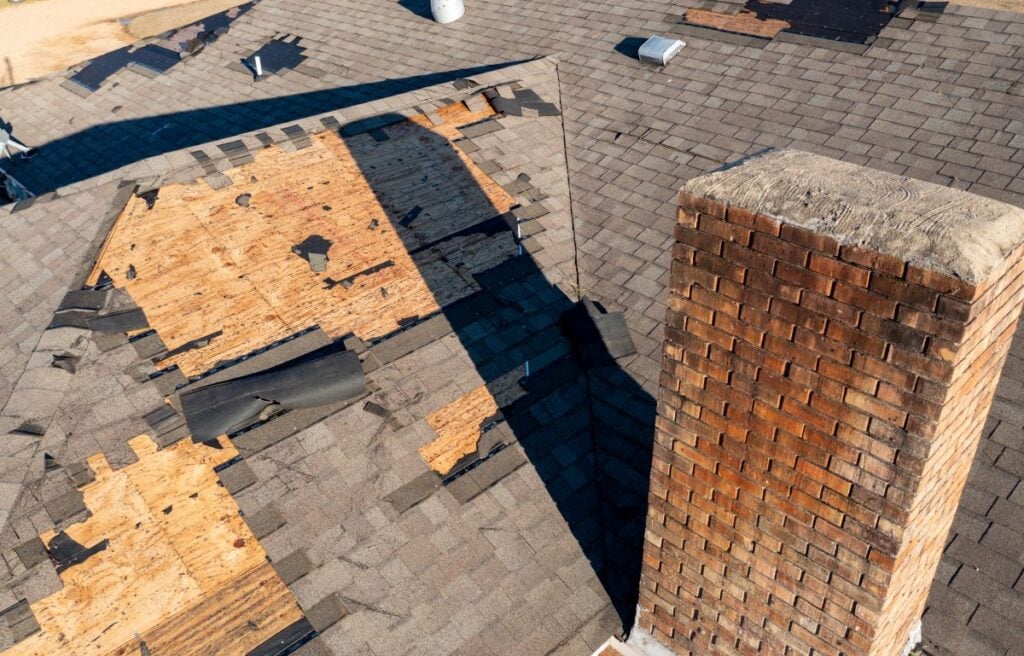
Roof claims are not straightforward. Insurance companies employ adjusters whose job includes evaluating whether damage is storm-related or attributable to age, wear, and deferred maintenance. The line between covered storm damage and non-covered deterioration is frequently disputed, and without proper documentation, property owners often find themselves accepting a settlement that does not fully reflect the actual scope of repairs needed.
According to the Insurance Information Institute, hail alone accounts for as much as 80 percent of severe convective storm claims in any given year, with roofs bearing an estimated 70 to 90 percent of total insured catastrophic losses, which means roof damage is the most common and most scrutinized claim category insurers handle.
Properties across Memphis, Tennessee and the surrounding region deal with active severe weather seasons including significant hail events, straight-line winds, and occasional tornadoes, all of which create the exact conditions that drive roof claims. We’re proud to serve home and business owners in Memphis, Tennessee and nearby communities with storm damage roofing and insurance support services and more.
Why Your Roofing Contractor Matters to the Claim Outcome
A roofing contractor who understands the insurance claims process is not just a repair resource. They are a documentation partner. A contractor who can produce a detailed written inspection report, identify all storm-related damage by type and location, and speak directly with an adjuster during a site visit can be one of the most important factors in whether a claim is paid at full replacement cost or settled far below it.
6 Steps of a Storm Damage Roof Insurance Claim
Most storm damage roof claims follow the same general progression. Understanding each step before it happens helps property owners avoid the mistakes that cost them money.
1. Document the Damage Immediately After the Storm
The window between a storm event and the first insurance contact matters more than most property owners realize. Documentation created in the first 24 to 48 hours establishes a baseline that becomes the foundation of the entire claim.
- What to do: Photograph and video every area of visible exterior damage including the roof surface, flashings, gutters, downspouts, HVAC equipment, and any nearby soft metals that show hail impact.
- Why it matters: Insurers look for pre-loss conditions when evaluating damage, and early documentation prevents disputes about whether specific damage existed before the storm.
2. Notify Your Insurance Carrier Promptly
Most homeowners policies include notification requirements, and delays in reporting can create coverage complications even when the damage is clearly storm-related.
- What to do: Contact your insurance carrier or broker as soon as damage is confirmed, provide a preliminary summary of what was found, and request a copy of your policy declarations page if you do not have one on file.
- Why it matters: Policy language around timely reporting is one of the most commonly cited reasons insurers reduce or contest claims, making prompt notification a procedural requirement that carries real financial consequences.
3. Get a Professional Roof Inspection Before the Adjuster Arrives
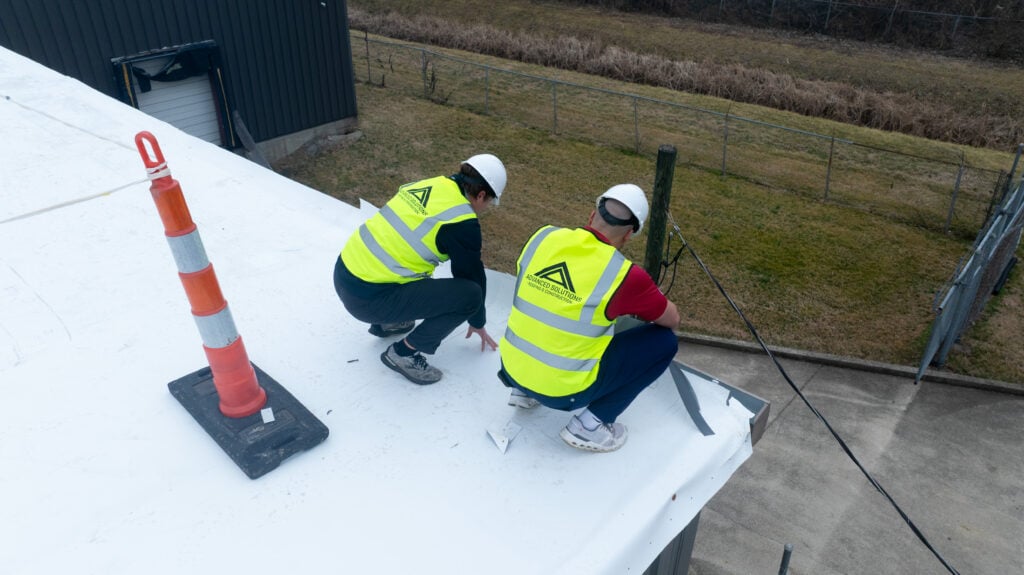
Having an independent roofing contractor complete a thorough inspection before the insurance adjuster visits gives you a detailed damage record to compare against the adjuster’s own findings.
- What to do: Schedule a licensed roofing contractor to inspect the roof within 48 to 72 hours of the storm, request a written report with photographs that identifies each type of damage by location and probable cause.
- Why it matters: Adjusters work for the insurance company. An independent contractor’s written findings give you a documented second opinion that can be used to dispute any findings that underrepresent the damage.
4. Meet the Adjuster on Site With Your Contractor Present
An adjuster walkthrough without a roofing contractor present puts the property owner at a significant information disadvantage. Contractors familiar with roofing systems of all types can identify damage that a general adjuster may overlook or attribute to wear rather than storm impact.
- What to do: Schedule the adjuster visit and request that your roofing contractor be present for the same appointment. Walk the roof together and ensure all previously documented damage points are reviewed.
- Why it matters: Discrepancies between an adjuster’s damage scope and a contractor’s findings are far easier to resolve during the site visit than after a settlement offer has been formally issued.
5. Review the Scope of Loss Carefully Before Accepting
The scope of loss document the adjuster produces details every line item the insurer proposes to cover and at what value. This document requires careful review before any agreement is signed.
- What to do: Compare the adjuster’s scope of loss against your contractor’s inspection report line by line. Flag any items that were identified as storm-related damage but do not appear in the insurer’s proposed scope.
- Why it matters: Accepting an initial scope that omits legitimate damage items may limit your ability to recover those costs later, particularly if a supplemental claim process is not pursued promptly.
6. Pursue a Supplement If the Initial Settlement Falls Short
If the adjuster’s settlement does not cover the full cost of restoring the roof to pre-storm condition, a supplement claim can be filed to request additional coverage based on documented evidence.
- What to do: Work with your contractor to produce a written supplement request that identifies every line item in dispute, supported by photographs, measurements, and cost documentation.
- Why it matters: Supplement claims are a standard and expected part of the insurance claims process, and insurance carriers expect them. A well-documented supplement request is far more likely to result in additional payment than an undocumented dispute.
Why Claims Get Underpaid or Denied
Most claim shortfalls trace back to one or more of these recurring issues.
| Reason for Underpayment | What It Means for the Claim |
| Late notification to the insurer | Creates a grounds for reduced coverage or denial |
| Inadequate storm documentation | Allows insurer to attribute damage to wear and aging |
| No contractor present during adjuster walkthrough | Damage items are overlooked or misclassified |
| Accepting the initial scope without review | Locks in a settlement below actual repair cost |
| Missing the supplement window | Forfeits the right to additional coverage for underpaid items |
Common FAQs About Storm Damage Roof Insurance Claims
Property owners navigating their first roof claim tend to ask similar questions before and during the process. Here are the ones we hear most often.
How long do I have to file a storm damage roof insurance claim?
Most homeowners and property policies require notification within a specific timeframe after the damage occurs, often ranging from 30 days to one year depending on the carrier and state. Filing promptly after any storm event, regardless of whether the damage is obvious, is always the safer approach.
What is replacement cost value versus actual cash value?
Replacement cost value covers the full cost to restore the roof to pre-storm condition with materials of similar quality. Actual cash value deducts depreciation based on the roof’s age and condition. The difference between these two settlement approaches can be substantial on an aging roof, and knowing which your policy provides before a claim is filed is essential.
Can my insurance company deny a claim because my roof was old?
Age and pre-existing wear are frequently cited factors in roof claim disputes. Insurers may argue that damage attributed to storm impact was actually the result of deferred maintenance. This is one of the strongest arguments for having a contractor document storm-specific damage patterns separately from general wear before an adjuster visits.
Should I get multiple contractor estimates before filing?
One thorough inspection from a qualified roofing contractor is generally more useful than multiple surface-level estimates. The depth of documentation matters more than the number of opinions when it comes to supporting a claim.
What happens if my claim is denied?
A formal denial can be appealed through the insurer’s internal dispute process or, in some cases, through a public adjuster or legal process. A contractor’s detailed inspection report and documented damage evidence are the most important assets in any appeal.
Advanced Solutions: Roofing Support Through Every Stage of the Claim
A storm damage roof insurance claim is a process, not a single event, and having an experienced roofing partner at every stage consistently produces better outcomes. Advanced Solutions has helped homeowners and property owners across Texas, Missouri, Kentucky, Tennessee, and Georgia document storm damage thoroughly, work alongside insurance adjusters, and restore their buildings without leaving money on the table.
If your property took storm damage and you are not sure where to start, reach out to our team today and let us walk you through what the process actually looks like for your building.