Featured Article
Metal Roof Hail Damage: 7 Things Insurance Adjusters Look For
A hailstorm can leave a metal roof covered in dents and still leave the roof working exactly as designed, which is why metal roof hail damage claims are some of the most debated in the insurance world. Adjusters are trained to separate cosmetic marks from damage that affects performance, and understanding what they look for helps you document your roof properly and avoid surprises. Before the adjuster arrives, it helps to know how metal roofing systems respond to impact and what commercial roofing professionals check during a post storm inspection.
In this guide, we will cover:
- Why hail claims on metal roofs work differently than on other roofs
- Seven things insurance adjusters look for during an inspection
- The difference between cosmetic and functional damage
- How to prepare before the adjuster visit
- Answers to the questions property owners ask most
Why Hail Claims on Metal Roofs Are Different
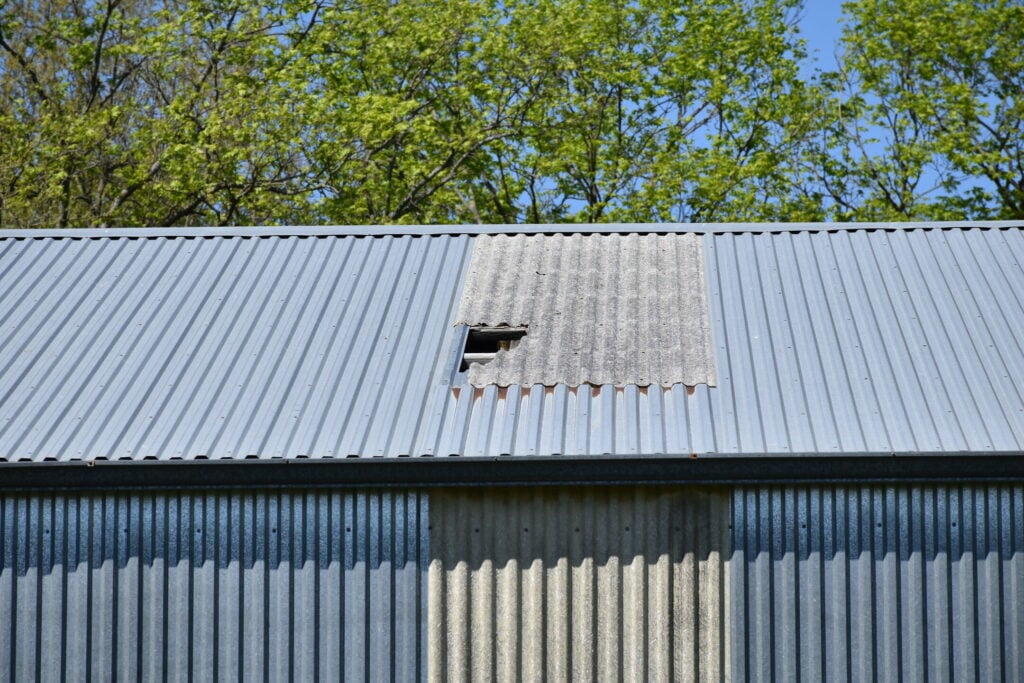
Asphalt shingles show hail damage through granule loss and bruising, and membranes show it through punctures. Metal behaves differently from other roofing materials because it tends to dent instead of crack, so the visible marks can look dramatic even when the roof still sheds water. Metal roofing materials absorb impact by deforming, and that flexibility is a strength rather than a flaw. That gap between appearance and performance is where most claim disputes begin.
Guidance from IBHS and the Metal Construction Association draws the line clearly, stating that small hail dents where the paint has not cracked or flaked typically do not affect the weatherability or structural performance of metal panels, but cracked or flaked paint can lead to corrosion. Adjusters apply the same logic, which is why coating condition matters as much as dent count.
Buildings across Dallas, TX, sit in one of the most active hail corridors in the country, so metal roofs in the area are tested by large hailstones and other severe weather nearly every spring. We’re proud to serve home and business owners in Dallas, TX, and nearby communities with metal roofing services and more.
Cosmetic Versus Functional Damage
The central question in every metal roof claim is whether the damage is cosmetic or functional. Cosmetic damage changes how the roof looks without reducing its ability to keep water out or shortening its service life. Functional damage affects performance or structural integrity, such as a cracked coating that invites corrosion, a puncture that lets water in, or a seam that has opened, and it is far more likely after severe hail damage than after a light storm. Many commercial policies include a cosmetic damage endorsement that excludes dents with no functional impact, so how damage is classified can decide whether a claim is paid. That makes careful documentation of coating, seams, and fasteners essential.
7 Things Insurance Adjusters Look For on a Hail Damaged Metal Roof
These seven checkpoints shape most adjuster findings. Knowing them in advance lets you and your contractor document each one before the visit.
1. Dent Size, Depth, and Density
Adjusters often evaluate a sample area of the roof and count dents within it. Large, deep, and closely spaced dents suggest a more severe hail event than a few shallow marks.
- Dent count: The number of dents per test area helps the adjuster judge storm severity.
- Dent depth: Deeper impacts are more likely to stress the panel, coating, and seams.
2. Coating and Paint Damage
The protective coatings are what keep the metal from corroding, and paint and coating damage is the clearest sign that a dent has become a problem. A dent with an intact finish is usually considered cosmetic, while chipped, cracked, or flaking paint can expose bare metal.
- Finish condition: Cracks or chips at impact points are a key sign of possible functional damage.
- Corrosion risk: Exposed metal can rust over time, which can shorten the life of the panel.
3. Punctures, Splits, and Cracks
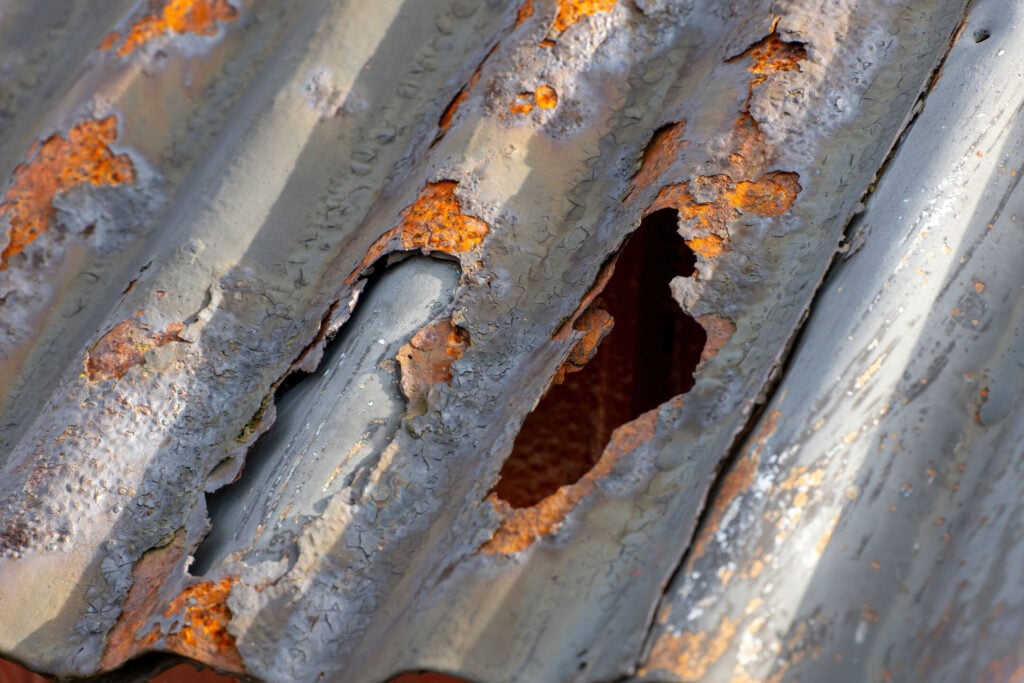
Although metal rarely punctures, large dense hail can split thinner panels or damage areas near edges and fasteners. Any breach of the panel is treated as clear functional damage.
- Panel breaches: Holes or splits allow water directly into the roof assembly.
- Interior evidence: Water stains below a breach help confirm the roof has been compromised.
4. Seam, Fastener, and Panel Integrity
Hail impact can distort seams, loosen fasteners, or displace panels, which can affect the structural integrity of the roof system. These issues may not show as dents at all, but they can create leak paths.
- Seam condition: Adjusters check whether seams remain tight and properly interlocked.
- Fastener checks: Loose or backed out fasteners on exposed fastener systems can allow water in.
5. Damage to Flashing, Trim, and Accessories
Flashing, vents, gutters, and rooftop equipment are softer than panels and usually show hail impact first. Damage to these items supports the finding that the storm was strong enough to affect the roof.
- Soft metals: Dented gutters, downspouts, and vent caps document hail size and intensity.
- Penetration details: Flashing damage near pipes and curbs can create hidden leak points.
6. Evidence of Water Intrusion
Adjusters look for signs that water has already entered the building because that confirms functional damage. Interior staining, wet insulation, and moisture readings carry significant weight.
- Interior stains: Ceiling discoloration beneath roof damage points to an active or past leak.
- Moisture findings: Wet insulation or elevated readings show the roof is no longer keeping water out.
7. Roof Age and Date of Loss
Adjusters compare the damage with the roof’s age and confirm it matches a specific hail event. Older damage, wear, or earlier storms can complicate a claim.
- Storm verification: Weather records for the date of loss help confirm hail occurred at the property.
- Existing conditions: Prior dents, corrosion, or repairs can lead to disputes about which damage is new.
How to Prepare Before the Adjuster Visit
A little preparation gives your claim a stronger footing and speeds the process along.
- Photograph everything: Capture panels, seams, flashing, gutters, and interior ceilings before any repairs.
- Get a contractor inspection: An independent report documents coating, seam, and fastener condition in detail.
- Gather roof records: Collect installation dates, warranty paperwork, and past inspection or repair records.
- Review your policy: Check for cosmetic damage endorsements, deductibles, and notification requirements.
- Have your contractor present: A roofing professional on site can point out functional damage the adjuster might overlook.
Cosmetic Versus Functional Damage at a Glance
| Observation | Typically Classified As | Why It Matters |
| Shallow dents with intact finish | Cosmetic | May be excluded under a cosmetic damage endorsement |
| Cracked or flaking coating at dents | Possibly functional | Corrosion risk can reduce service life |
| Punctures, splits, or open seams | Functional | Water can enter the roof assembly |
| Loose fasteners or displaced panels | Functional | Creates leak paths even without visible dents |
| Dented gutters and soft metals | Supporting evidence | Documents hail size and storm severity |
Common FAQs About Metal Roof Hail Damage Claims

Property owners dealing with hail on metal roofs tend to ask similar questions. Here are the ones we hear most often.
Does insurance cover dents on a metal roof?
It depends on your policy. Many policies cover functional hail damage, while cosmetic damage may be excluded by an endorsement. Reviewing your coverage before filing helps set expectations.
Can a dented metal roof still be functional?
Yes. Shallow dents with an intact finish often do not affect water shedding or service life, which is why adjusters distinguish cosmetic marks from functional damage.
How large does hail need to be to damage a metal roof?
Metal can dent from fairly small hail, but functional damage generally requires larger, denser stones or impact near seams and fasteners. Panel thickness and coating also matter.
Should I hire a contractor before the adjuster arrives?
It is a good idea. An independent inspection gives you a written record of coating, seam, and fastener condition to compare with the adjuster’s findings.
What if I disagree with the adjuster’s findings?
You can request a second inspection and provide your contractor’s documentation. Detailed photos and measurements are the strongest tools for supporting a supplement or appeal.
Advanced Solutions: Metal Roof Hail Inspections You Can Rely On
Hail claims on metal roofs turn on details, and getting those details documented correctly can make a real difference in the outcome. Advanced Solutions has helped property owners across Texas, Missouri, Kentucky, Tennessee, and Georgia inspect hail damage, document coating and seam condition, and restore metal roofing systems to protect against future hail damage, with veteran led crews who explain every finding.
If a recent storm left your metal roof dented or damaged, schedule your hail damage inspection and let our team show you what is cosmetic, what is functional, and what to document before the adjuster arrives.