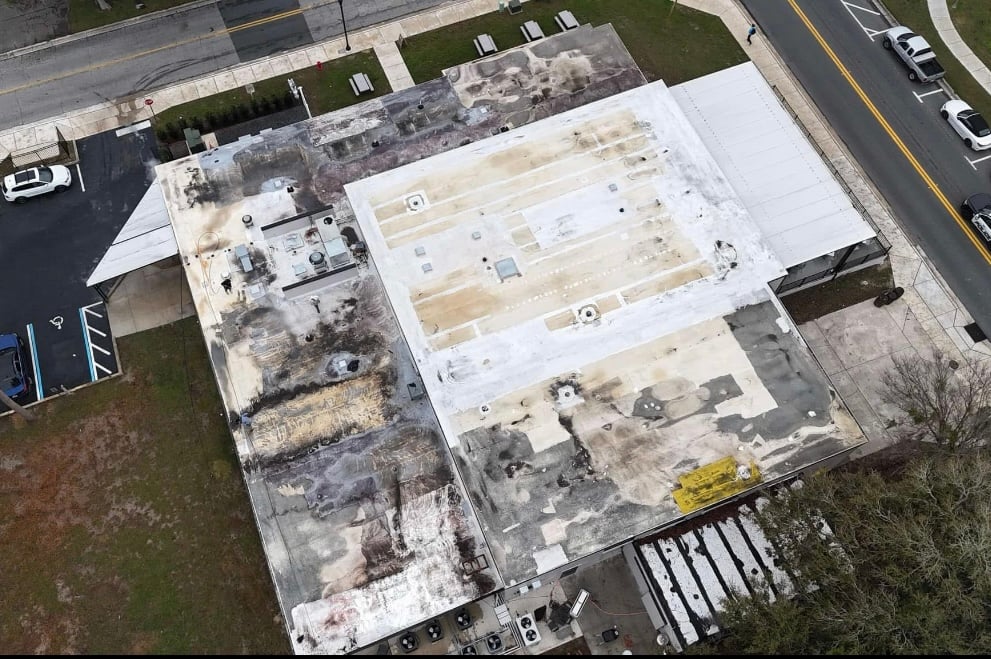
Featured Article
9 Signs of Roof Hail Damage Every Property Manager Should Know
Hail is one of the most financially significant weather threats a commercial roof faces, and it is also one of the easiest to underestimate. Roof hail damage does not always announce itself with an obvious interior leak. More often, it quietly degrades the membrane or shingle system over months until a subsequent storm finishes what the first one started. Property managers who know what to look for after a hail event are in a far better position to act on storm damage before it compounds into a much larger problem.
In this guide, we will cover:
- Why hail damage is often missed on commercial roofs
- The nine most common signs property managers should look for
- How hail damage differs across membrane, shingle, and metal roofing systems
- What to do once hail damage is suspected
- Common questions property managers ask when evaluating storm damage
Why Hail Damage Is So Commonly Missed on Commercial Roofs

Residential roof damage often shows up in gutters and on visible shingle fields, making it relatively accessible to spot. Commercial flat and low slope roofs present a different challenge. The area a hail hit affects may not be visible from the ground, and a visual inspection from the parking lot is rarely enough to confirm or rule out significant damage. Minor punctures or membrane bruising can allow water to seep in slowly for weeks before showing up as a ceiling stain inside the building, turning what looked like minor property damage into a much more serious situation.
Research from the Insurance Institute for Business and Home Safety found that roofs exposed to both natural weathering and repeated sub-severe hail became nearly ten times more vulnerable to damage from subsequent large hail events compared to new roofing systems, meaning hail events that seem minor at the time often do more lasting damage than they appear to.
Properties across Springfield, Missouri and the surrounding region sit directly in the corridor of active spring and summer severe weather, making hail events a recurring concern for commercial property managers throughout the region. We’re proud to serve home and business owners in Springfield, Missouri and nearby communities with storm damage inspection and roofing services and more.
Why Prompt Inspection Matters More Than Most Property Managers Realize
A hail event that leaves no immediate interior evidence of damage can still shorten the remaining service life of the roof by years. Granule loss on shingles accelerates UV degradation. Membrane punctures allow moisture to reach insulation before a leak is ever visible inside. Getting a professional inspection on the calendar within 48 to 72 hours of a significant hail event is one of the most important steps a property manager can take to protect both the building and any insurance claim that may follow.
9 Signs of Roof Hail Damage to Look For
Most hail damage on commercial roofs falls into one or more of these categories. Knowing what each one looks like helps property managers make faster, more informed decisions after a storm.
1. Granule Loss on Shingles
On shingle-covered commercial roofs, granule loss is one of the clearest indicators of hail impact. Hailstones knock granules off the surface of the shingle mat, leaving the underlying asphalt exposed to UV radiation and accelerated aging.
- Where to look: Gutters and downspouts collect displaced granules after a hail event, making them one of the first places to check even before getting on the roof.
- Why it matters: Bare patches on the shingle mat degrade significantly faster than intact areas, shortening the system’s useful life even when no immediate leak is present.
2. Circular Bruising or Soft Spots on Shingles
Hail impact on asphalt shingles creates circular soft spots beneath the granule surface where the mat has been crushed or cracked. These bruises are not always visible from a distance and often require a close hand inspection to confirm.
- Where to look: Run a hand across the shingle surface and feel for areas that depress or feel spongier than surrounding material.
- Why it matters: Bruised shingles lose structural integrity at the impact point and are significantly more likely to crack or fail during the next weather event.
3. Membrane Punctures on Flat Roofs
Large or dense hailstones can puncture single-ply membranes including TPO, EPDM, and PVC, creating small holes that allow water to infiltrate the roof assembly without triggering an immediate visible leak. Hail impact on flat roofing membranes is particularly deceptive because even significant damage may leave no visible damage on the interior until well after the storm.
- Where to look: Walk the roof surface methodically after a storm, checking for small holes, tears, or depressions in the membrane field.
- Why it matters: Even minor damage from a hail hit allows water to reach insulation and decking over time, turning a manageable repair into a much more involved project.
4. Cracked or Split Modified Bitumen Membrane
Modified bitumen membranes that have aged and lost flexibility are particularly vulnerable to cracking on impact. Hailstones that would leave only a surface bruise on a newer membrane can fracture an older, brittle one.
- Where to look: Inspect seams and field areas for linear cracks, splits, or areas where the surfacing cap has been displaced by impact.
- Why it matters: Cracks in a modified bitumen roof can be difficult to spot visually but create significant water infiltration risk with every subsequent rain event.
5. Dents in Metal Roofing Panels
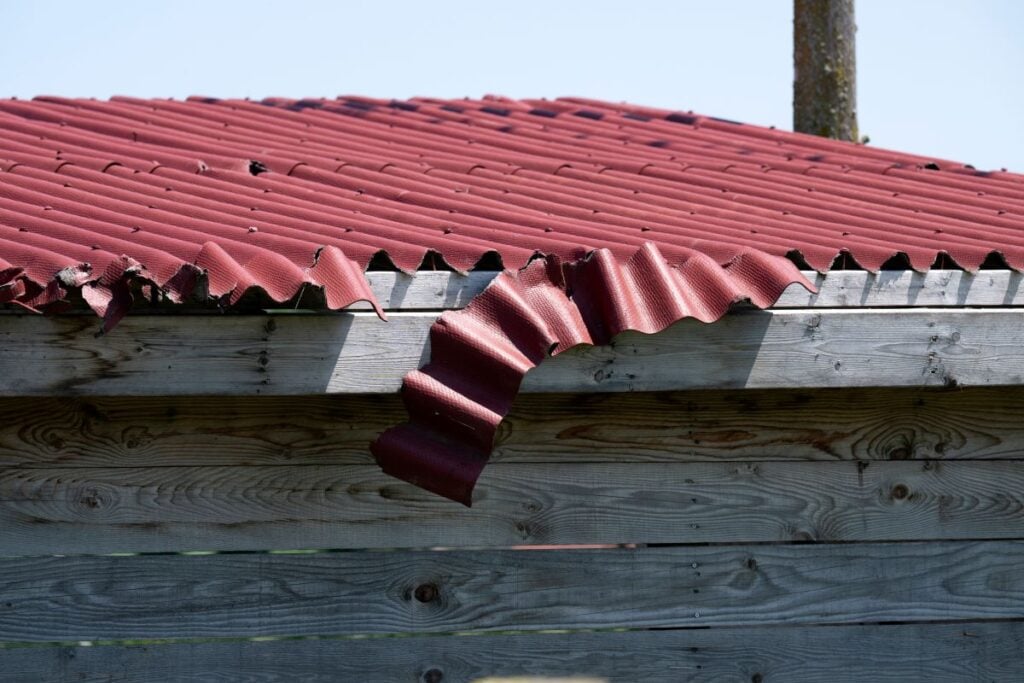
On standing seam or corrugated metal roofs, hail leaves visible dents across metal components including panels, flashings, and equipment housings. While small dents are often cosmetic, larger impacts can compromise the protective coating on the panel surface.
- Where to look: Inspect metal panels for circular depressions, and pay special attention to areas around seams, fasteners, and penetrations where impact damage is most likely to create a leak path.
- Why it matters: Coating damage on metal components exposes the bare metal beneath to rust and corrosion, which shortens service life and can void manufacturer warranties if not addressed.
6. Damaged Flashing Around Penetrations
Flashing around HVAC curbs, vents, pipes, and parapet walls is often thinner and more vulnerable to hail impact than the primary roof membrane. Damage here creates direct water entry points that can be easy to miss during a general inspection.
- Where to look: Inspect flashing closely at every penetration after a hail event, looking for dents, cracks, or areas where the sealant has been dislodged by impact.
- Why it matters: Flashing failures are one of the most common sources of post-storm leaks and are frequently overlooked in surface-level hail damage assessments.
7. Fractured or Missing Ridge Caps
On steep slope commercial roofs, ridge caps take direct overhead exposure and are among the first components to show hail damage. Fractured or displaced ridge cap shingles leave the roof peak unprotected.
- Where to look: Check the ridge line from ground level first using binoculars, then confirm from the roof. Missing or cracked ridge cap sections are a common finding after significant hail events.
- Why it matters: Ridge cap damage allows wind-driven rain to enter at the highest and most vulnerable point of the roof, often causing interior damage at the peak before any other area is affected.
8. Interior Water Stains or Ceiling Discoloration
By the time hail damage shows up as an interior water stain, water has already traveled through the membrane, insulation, and decking. Interior staining after a storm should always be treated as a roofing emergency rather than a minor cosmetic issue.
- Where to look: Check interior ceilings in the days following a major storm, particularly in areas near penetrations, at exterior walls, and in corners where water tends to channel.
- Why it matters: Interior water staining indicates that infiltration has been happening long enough to saturate materials above the ceiling surface, and the visible stain typically represents a fraction of the actual affected area.
9. Damage Visible on Nearby Soft Metals
Even when the roof surface itself is difficult to inspect, surrounding soft metals often tell the story of a hail event clearly. Gutters, downspouts, HVAC equipment housings, vents, and window frames all show hail impact clearly.
- Where to look: Walk the building perimeter after a storm and check gutters, fascia caps, AC unit housings, and any exposed metal accessories for fresh circular dents.
- Why it matters: Visible hail impact on soft metals is strong supporting evidence for an insurance claim and indicates the storm was severe enough to warrant a full roof inspection.
What to Do After Suspecting Hail Damage
Taking the right steps after a hail event protects both the building and the insurance claim that may follow.
| Step | Timing | Why It Matters |
| Document soft metal damage and visible signs | Same day as storm | Establishes baseline evidence for insurance claim |
| Schedule professional roof inspection | Within 48 to 72 hours | Confirms damage scope before it worsens |
| Photograph all damage before cleanup | Before any repairs | Supports full claim documentation |
| Notify insurance carrier | As soon as damage is confirmed | Most policies require prompt notification |
| Get temporary repairs in place if needed | Within days of discovery | Prevents water intrusion from compounding damage |
Common FAQs About Roof Hail Damage
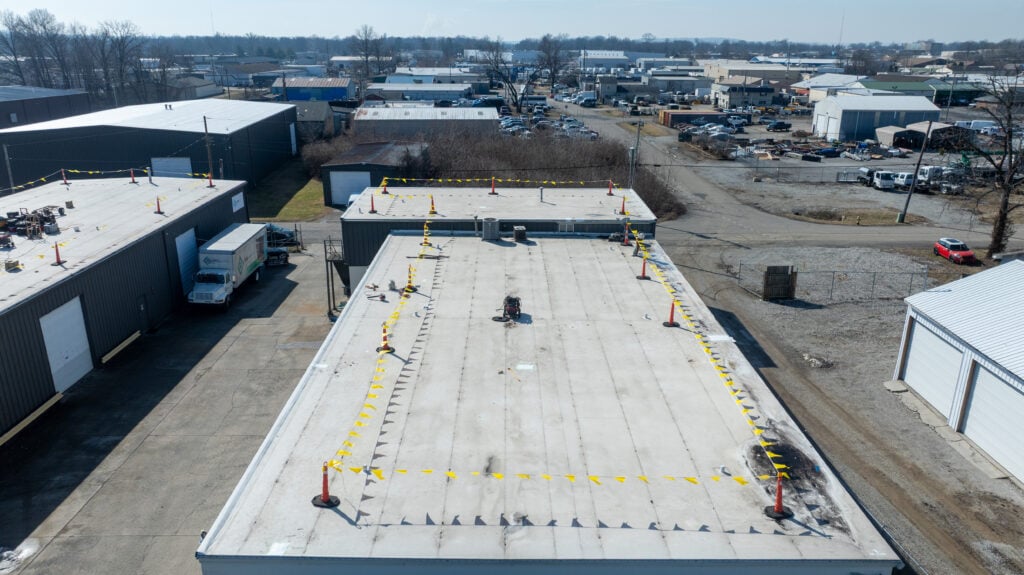
Property managers dealing with hail damage tend to ask similar questions during and after the claims process. Here are the ones we hear most often.
How do I know if the hail was large enough to cause real damage?
Hailstones as small as three-quarters of an inch can cause granule loss on aged shingles, while stones one inch and larger are typically capable of damaging newer membranes and metal panels. If soft metals around the building show dents, the hail was likely large enough to damage roofing materials as well.
Should I wait for a leak before calling for an inspection?
No. Waiting for a visible leak means water has already been infiltrating the roof assembly long enough to affect insulation and potentially decking. A proactive inspection after any significant hail event is far less expensive than discovering damage after it has spread.
Does hail damage always show up immediately?
Not always. Membrane bruising, granule loss, and coating damage can develop into leaks over weeks or months, particularly after a subsequent rain or freeze-thaw event stresses the already-weakened area.
Will my insurance cover commercial roof hail damage?
Most commercial property policies cover hail damage that is documented promptly and clearly tied to a specific storm event. Working with an experienced contractor who understands how to present damage findings to an insurance company can make a significant difference in claim outcomes. A professional inspection report with photographs and measurement data is essential for supporting a successful claim.
Can hail damage be repaired, or does it require full replacement?
It depends on the extent and distribution of the damage. Isolated punctures and flashing damage can often be repaired, while widespread roof damage across a large portion of the field typically points toward a full roof replacement as the more cost-effective long-term decision. A documented roof replacement also resets the warranty clock and eliminates the compounding vulnerability created by a heavily hail-damaged roof system.
Advanced Solutions: First on the Roof After the Storm
Hail damage moves quickly from manageable to expensive when it goes uninspected, and property managers who act fast consistently get better outcomes both in repairs and in insurance claims. Advanced Solutions has helped commercial property owners across Texas, Missouri, Kentucky, Tennessee, and Georgia identify and document hail damage accurately, negotiate the claims process from a position of clear evidence, and restore their roofing systems with minimal disruption.
If your property was hit by a recent hail event, do not wait to find out what it did to your roof. Schedule your post-storm inspection and get a clear, documented picture of exactly what your roof is dealing with.