Featured Article
Modified Bitumen Roofing: Pros, Cons and Uses
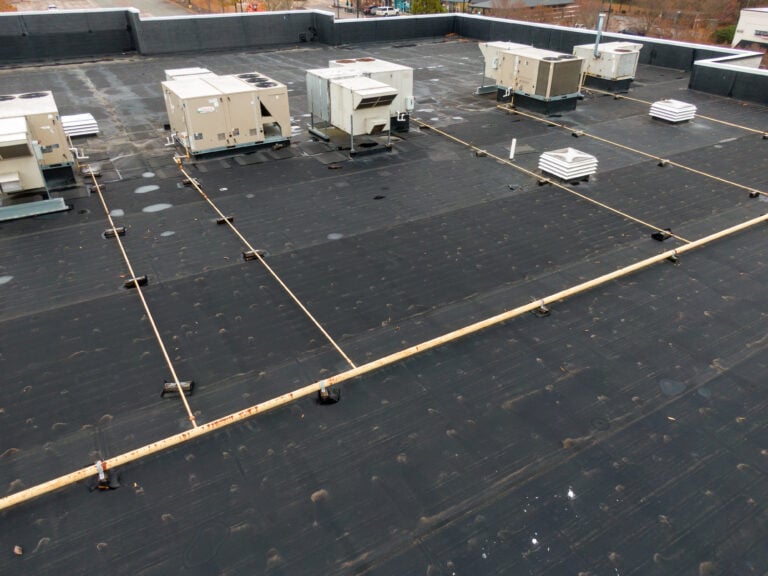
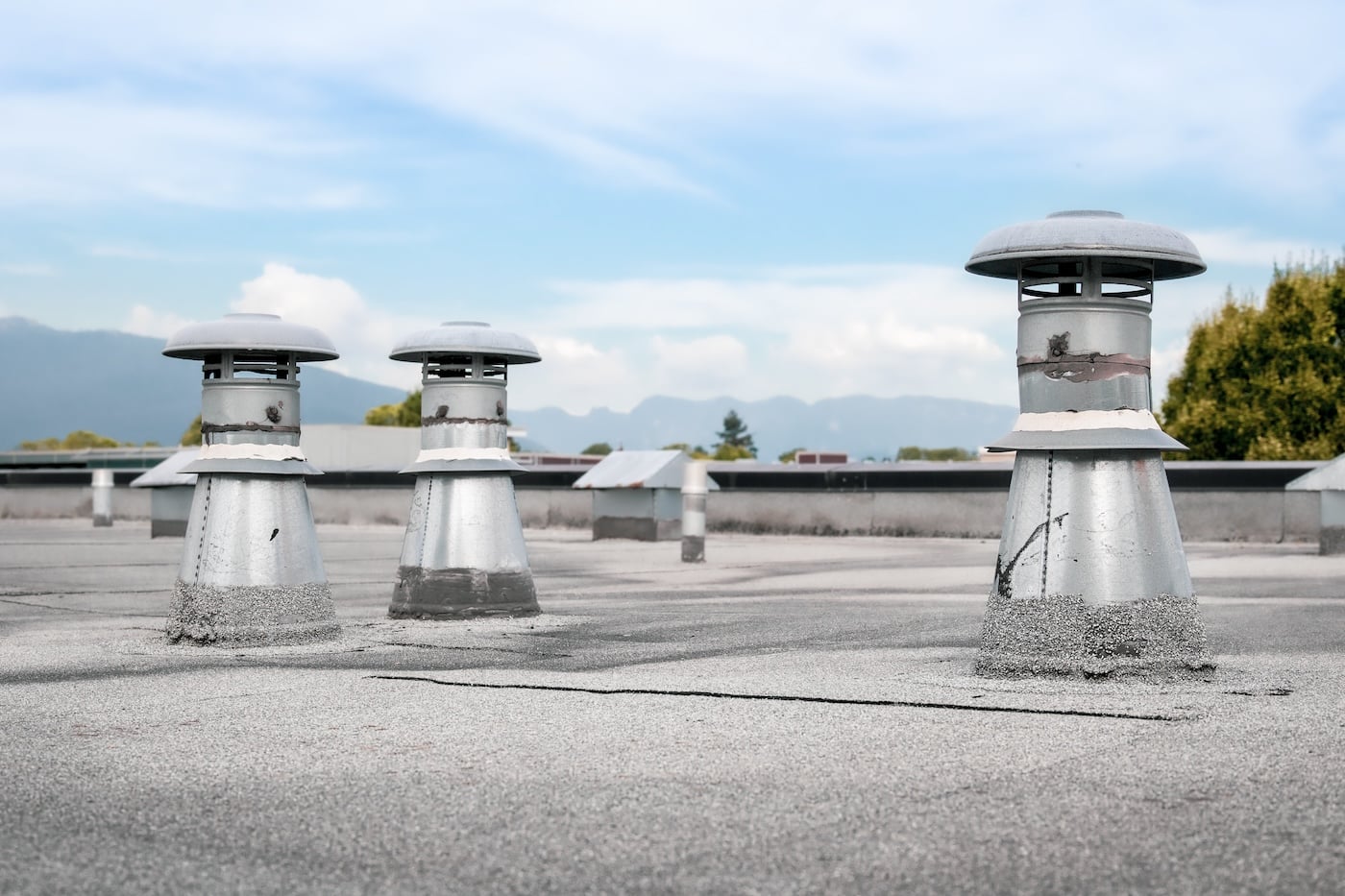
Modified bitumen roofing is a popular choice for commercial roofing systems, especially for low slope roofs and flat roof applications. Known for its durability and flexibility, this roofing material has been widely used for decades to protect commercial properties from weather damage, water intrusion, and temperature fluctuations. As a modern evolution of the traditional built up roofing system, modified bitumen offers improved performance while maintaining the layered protection many buildings rely on.
- Designed for low slope roofs: Ideal for flat and low slope roofing systems.
- Strong weather resistance: Performs well in extreme temperatures and harsh conditions.
- Layered protection: Built with multiple layers for added durability.
- Cost-effective option: Typically more affordable than some advanced roofing systems.
What Is Modified Bitumen Roofing
Modified bitumen roofing is an asphalt-based roofing system designed specifically for low slope roofs and commercial applications. It is created by modifying asphalt with rubber or plastic polymers to improve flexibility, strength, and overall performance.
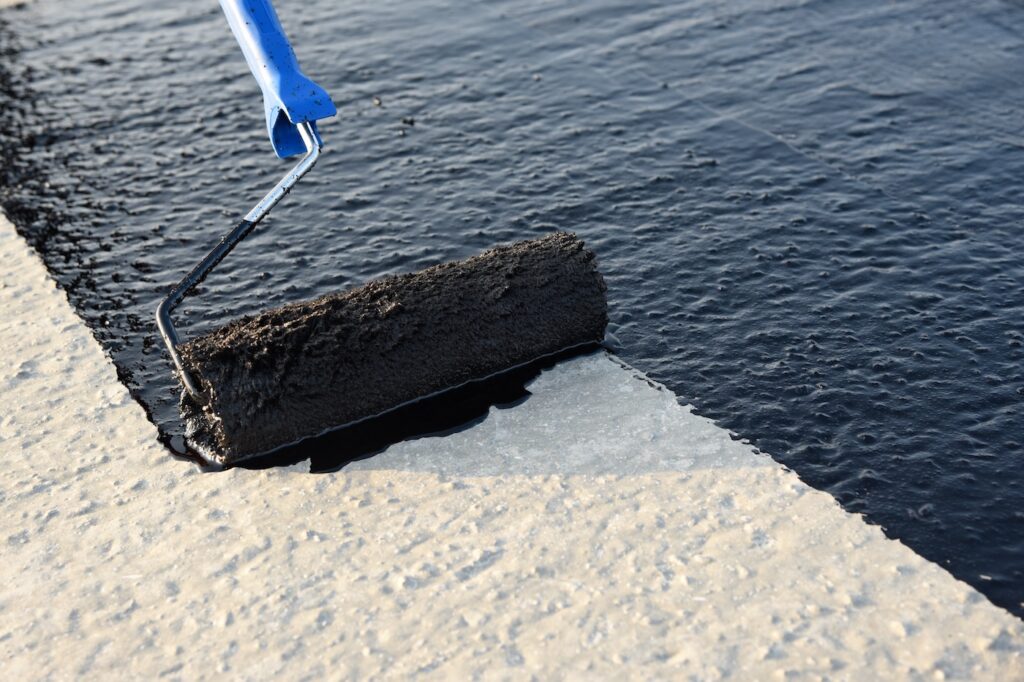
This system functions as a reinforced roof membrane, typically installed in layers that include a base sheet and a cap sheet. Modified bitumen installed correctly creates a waterproof barrier that protects against leaks, UV exposure, and weather-related damage. Compared to single ply systems, it provides added thickness and durability, making it a reliable choice for demanding environments.
Types of Modified Bitumen Roofing Systems
There are different types of modified bitumen roofing systems, each offering unique benefits depending on the building’s needs and climate conditions.
APP (Atactic Polypropylene)
APP membranes are characterized by their rigidity and enhanced UV resistance, making them suitable for hot climates and applications requiring durability against impact and foot traffic.
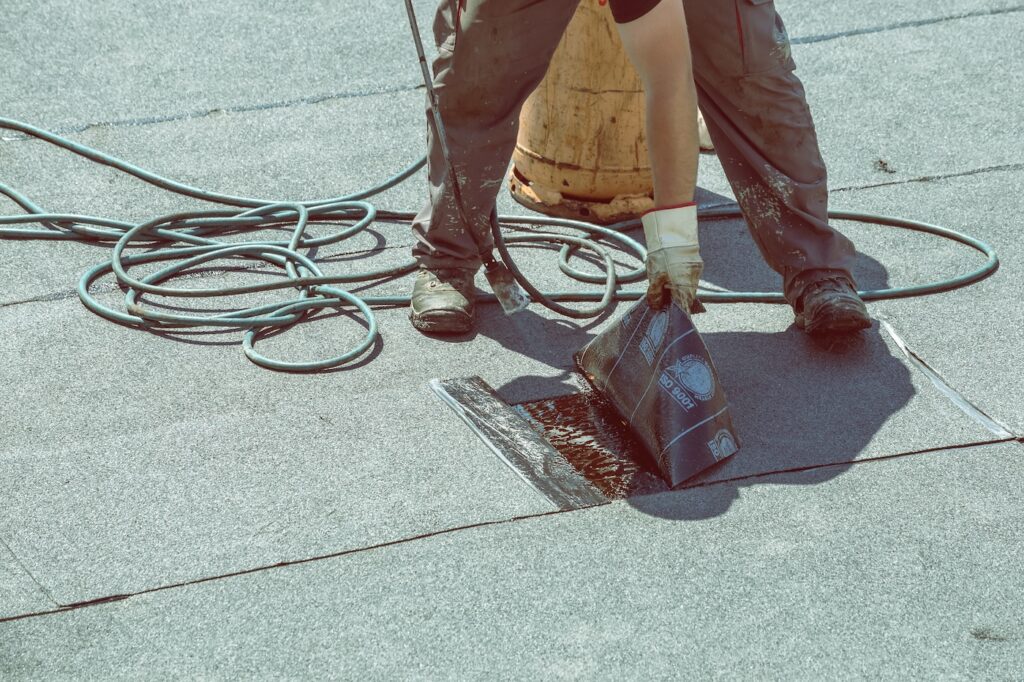
- Heat-welded installation: Often installed using the torch-down method, where the underside of the membrane is heated to create a watertight seal as it adheres to the substrate
- UV resistance: Performs well under constant sun exposure
- Thermal stability: Maintains performance in high-temperature environments
- Durability: Resistant to wear and heavy foot traffic
- Lower heat absorption options: Reflective coatings can improve energy efficiency
SBS (Styrene-Butadiene-Styrene)
SBS modified bitumen are known for their superior elasticity and flexibility, making them ideal for environments with significant temperature changes and heavy winds.
- Flexible material: Expands and contracts with temperature shifts
- Cold-weather performance: Better suited for colder climates without cracking
- Strong adhesion: SBS membranes provide excellent adhesion to substrates
- Installation versatility: Can be applied using cold adhesives or heat methods
- Weather adaptability: Performs well in areas with frequent climate fluctuations
SBS vs APP: Key Differences
Understanding the difference between SBS and APP helps determine the best system for your building and climate.
- Flexibility vs rigidity: SBS membranes are more flexible, while APP membranes are more rigid
- Climate performance: SBS is better suited for cold temperatures, while APP performs better in warmer climates
- Adhesion: SBS provides stronger adhesion to substrates
- UV resistance: APP offers better UV resistance and thermal stability
- Use case: SBS is ideal for areas with temperature swings and heavy winds, while APP is preferred for heat and sun exposure
Pros of Modified Bitumen Roofing
Modified bitumen roofing offers several advantages that make it a strong option among commercial roofing systems.
- Durability: Designed to withstand heavy foot traffic and harsh weather conditions
- Water resistance: Multi-layer construction helps prevent leaks
- Flexibility: Adapts well to temperature changes without cracking
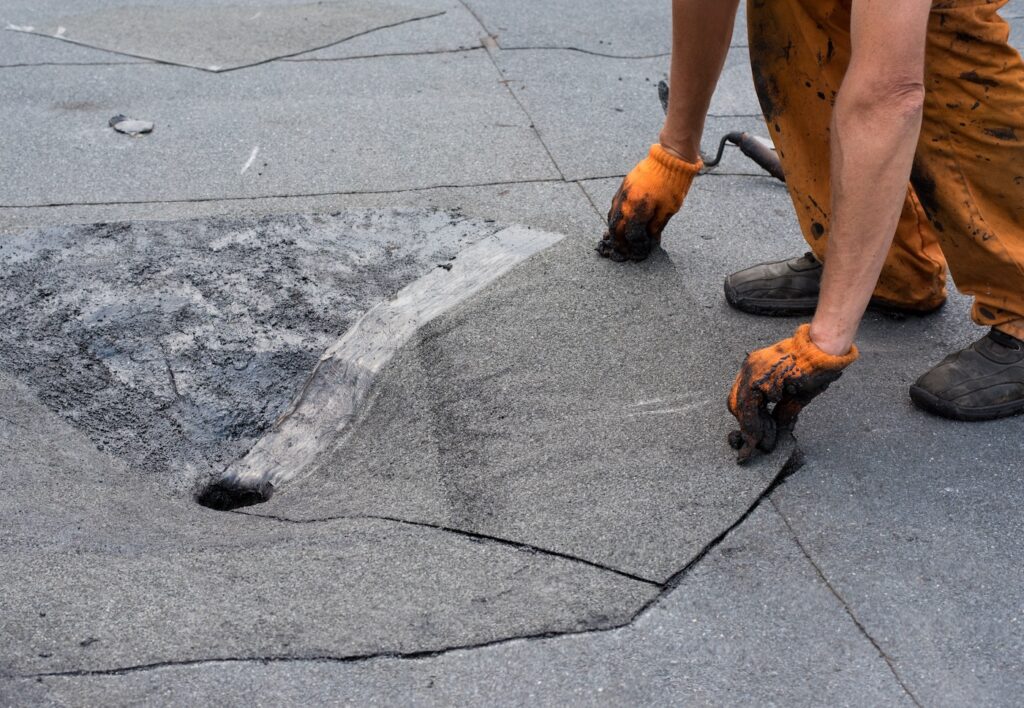
- Ease of repair: Damaged areas can often be repaired without full replacement
- Proven performance: A long track record in commercial roofing applications
- Compatibility: Works well alongside existing built up roofing system structures
- Sustainability potential: Certain modified bitumen membranes are designed to be recyclable at the end of their service life, helping reduce landfill waste
Cons of Modified Bitumen Roofing
While it has many benefits, modified bitumen roofing also comes with some limitations.
- Installation complexity: Requires skilled professionals for proper application
- Seam vulnerability: Improper sealing can lead to leaks over time
- Maintenance needs: Regular inspections are required to maintain performance
- Heat retention: Some systems may have higher heat absorption without reflective coatings
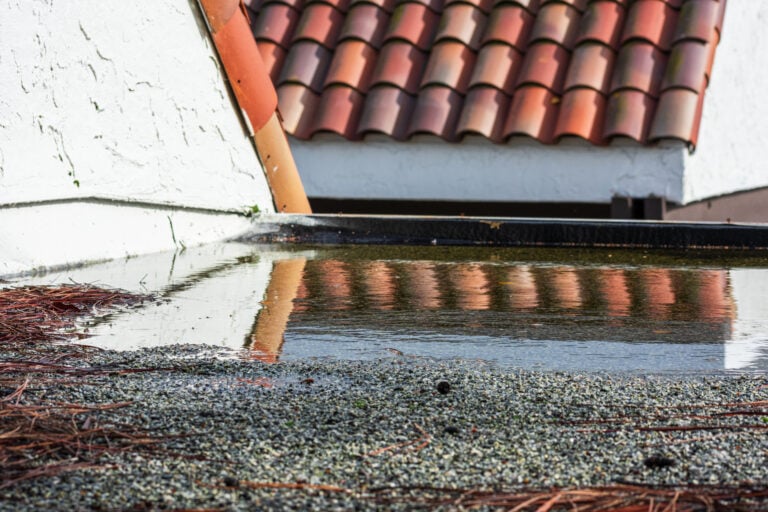
- Ponding water risk: Modified bitumen is designed for flat or low-slope roofs but is vulnerable to ponding water, which can degrade the asphalt over time
Common Uses for Modified Bitumen Roofing
Modified bitumen roofing is widely used across different types of commercial properties due to its versatility and durability.
- Office buildings: Provides reliable protection for low slope roofs
- Retail spaces: Handles foot traffic from maintenance and rooftop equipment
- Industrial facilities: Withstands exposure to harsh environmental conditions
- Multi-unit properties: A dependable option for large roofing systems
This roofing material is especially effective where a durable roof membrane is required to handle both weather exposure and building movement.
Cost and Lifespan Expectations
Modified bitumen roofing is generally considered a cost-effective option compared to other roofing systems.
- Installation cost: Typically mid-range among flat roofing materials
- Lifespan: Modified bitumen roofing systems typically have a lifespan of 20 to 30 years, depending on installation quality, maintenance, and climate conditions
- Maintenance impact: Proper care can significantly extend the roof’s lifespan
This makes it a practical choice for property owners looking for long-term value without the higher cost of some newer systems.
Maintenance and Inspection Tips
Proper maintenance is key to getting the most out of modified bitumen roofing and preventing premature failure.
Regular maintenance for modified bitumen roofing includes semi-annual inspections, cleaning gutters and drains, and checking roof penetration flashings to prevent leaks.
- Schedule inspections: At least twice a year and after major weather events
- Maintain drainage systems: Prevent water buildup on low slope roofs
- Check flashing and seams: Ensure all vulnerable areas remain sealed
- Address damage early: Prevent minor issues from turning into costly repairs
Routine care not only protects the roof membrane but also improves overall energy efficiency and long-term performance.
Modified Bitumen vs Other Roofing Systems
When comparing modified bitumen to other roofing systems like single ply systems, there are key differences to consider.
- Thickness: Modified bitumen systems are typically thicker and more impact-resistant
- Durability: Better suited for high-traffic areas than many single ply systems
- Installation methods: More labor-intensive but often more durable
- Energy performance: Can be improved with reflective coatings to reduce heat absorption
Each system has its place, but modified bitumen remains a reliable option for buildings that need added durability and protection.
Is Modified Bitumen Roofing Right for Your Building
Choosing the right roofing material depends on your building’s needs, budget, and long-term goals. Modified bitumen is a strong option for commercial properties that require durability, flexibility, and reliable waterproofing.
It is particularly well-suited for low slope roofs and buildings that experience frequent weather changes. Working with an experienced roofing contractor ensures the system is installed correctly and performs as expected over time.
Trust Advanced Solutions for Modified Bitumen Roofing
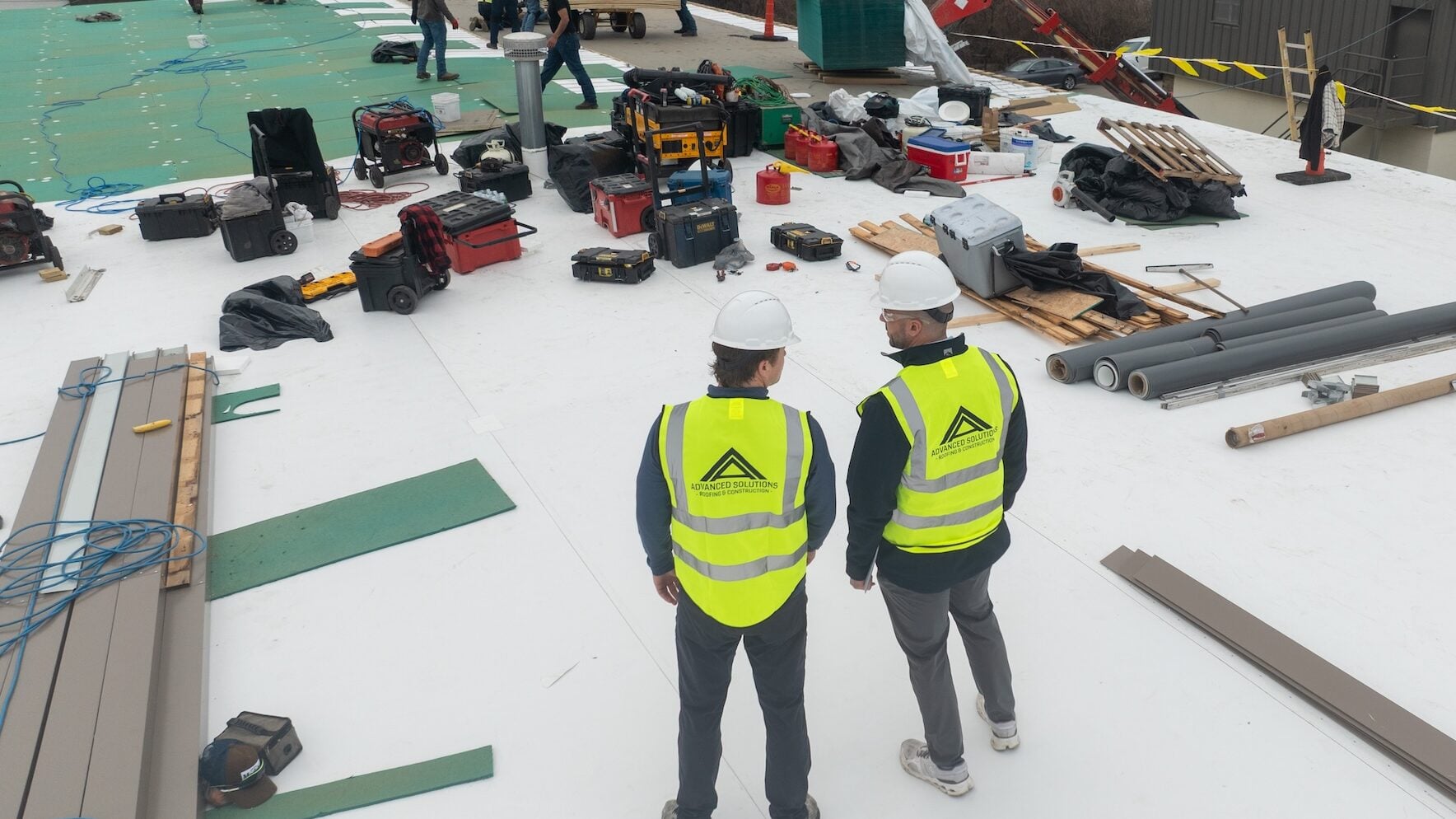
Advanced Solutions provides expert installation and maintenance for modified bitumen roofing systems. Our team understands the demands of commercial roofing and delivers solutions designed to protect your building and extend your roof’s lifespan.
Whether you need a new installation, inspection, or repairs, we offer reliable service and professional guidance every step of the way. Contact Advanced Solutions today to learn more about modified bitumen roofing and schedule your consultation. Based in Southlake Texas and proudly serving commercial property owners nationwide.