Featured Article
Commercial Roof Leak? Here’s Why Fall Rain Finds Them
A dry summer can hide a lot of roof problems. When steady fall rain arrives, every weak seam, cracked sealant, and clogged drain gets tested at once, and the first commercial roof leak of the season often shows up in a ceiling tile or a stockroom wall of a commercial building. Understanding where water actually gets in helps you find the real source instead of chasing stains inside the building. If you suspect trouble, a commercial roofing contractor can run a leak focused commercial roof inspection to trace the water back to its entry point and keep a small repair from turning into a large one.
In this guide, we will cover:
- Why fall rain exposes weak points that summer weather hides
- Six places where fall rain most often finds a way in
- Warning signs that a leak is already underway
- How quick fixes compare with lasting repairs
- Answers to the questions property managers ask most
Why Fall Rain Exposes Weak Points
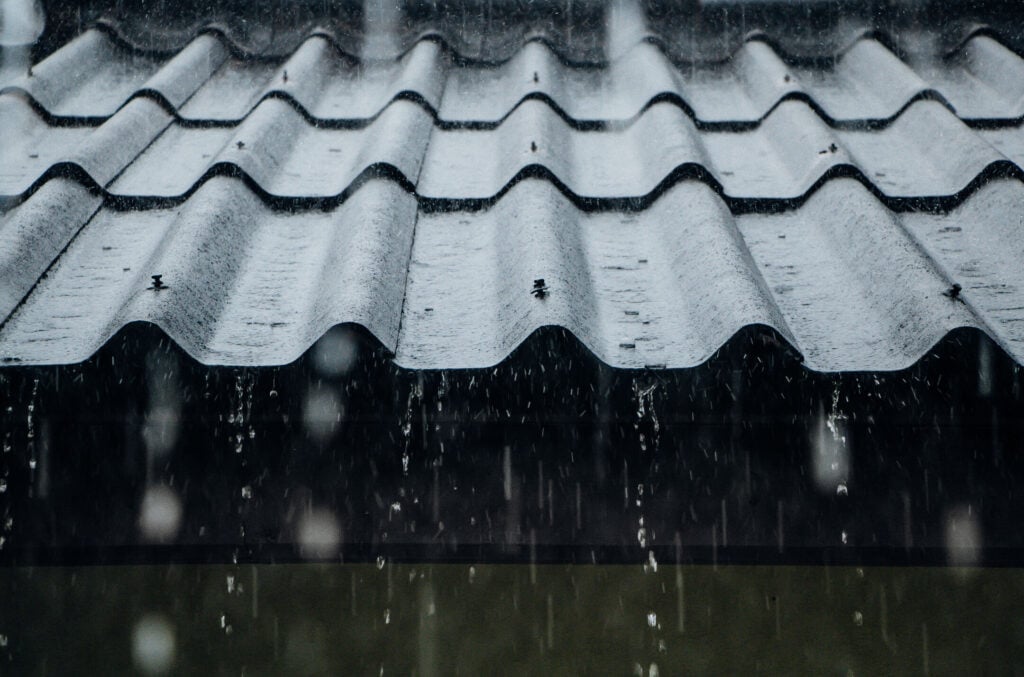
Summer storms are short and intense, but fall rain is steady and long lasting. Roofing materials stay wet for hours or days, cooler temperatures slow drying, and falling leaves block the drains that carry water away. A flat roof that survived a summer of heat and storms can look fine until a week of autumn rain finds the one spot that was already compromised.
Most of those spots are in the same places on nearly every building. Roofing Contractor magazine notes that flashings are the most common source of roof problems and estimates that nearly 90 percent of roof leaks occur at flashings and penetrations, which is why leak hunting starts at the details, not the open field of the roof.
Buildings across Springfield, MO, see long stretches of fall rain, humid air, and the occasional strong thunderstorm that keep roof surfaces wet for days. We’re proud to serve home and business owners in Springfield, MO, and nearby communities with commercial roof repair and more.
Why Leaks Show Up Far From the Source
One of the most frustrating parts of a commercial roof leak is that the stain inside rarely sits directly under the hole. Water enters at a flashing or seam, then travels along the roof deck, insulation, or a structural member before it drips through a ceiling tile somewhere else. A flat roof leak is especially hard to pin down because water can spread sideways across the roof system before it finds a way down. That is why patching the spot above a stain often fails, and why the leak seems to return after the next rain. Finding the true entry point takes a methodical inspection that follows the water path, checks the high side of the roof, and examines details like curbs, penetrations, and drains. Fixing the source, not the symptom, is what finally ends the cycle.
6 Places Fall Rain Finds a Commercial Roof Leak
These six areas account for most of the leaks property managers see each autumn.
- Flashing at curbs and parapets: Metal and membrane flashing moves with temperature swings, and cracked or separated sections give rain a direct path behind the roofing.
- Roof penetrations: Pipes, vents, conduit, and pitch pockets interrupt the membrane, and aging seals around them are among the first things to fail.
- Membrane seams and laps: Seams that have lifted or opened over the summer let wind driven rain slip beneath the roofing and into insulation.
- Drains, scuppers, and gutters: Leaves and debris block water from leaving the roof, and the resulting ponding finds every weak point nearby.
- Roof edges and perimeter metal: Edge metal takes the highest wind and rain exposure, and loose sections allow water to enter at the roof perimeter.
- Aging sealants and surface cracks: Dried sealant and small membrane cracks that were harmless in dry weather start to leak under sustained rain.
Signs You Already Have a Leak
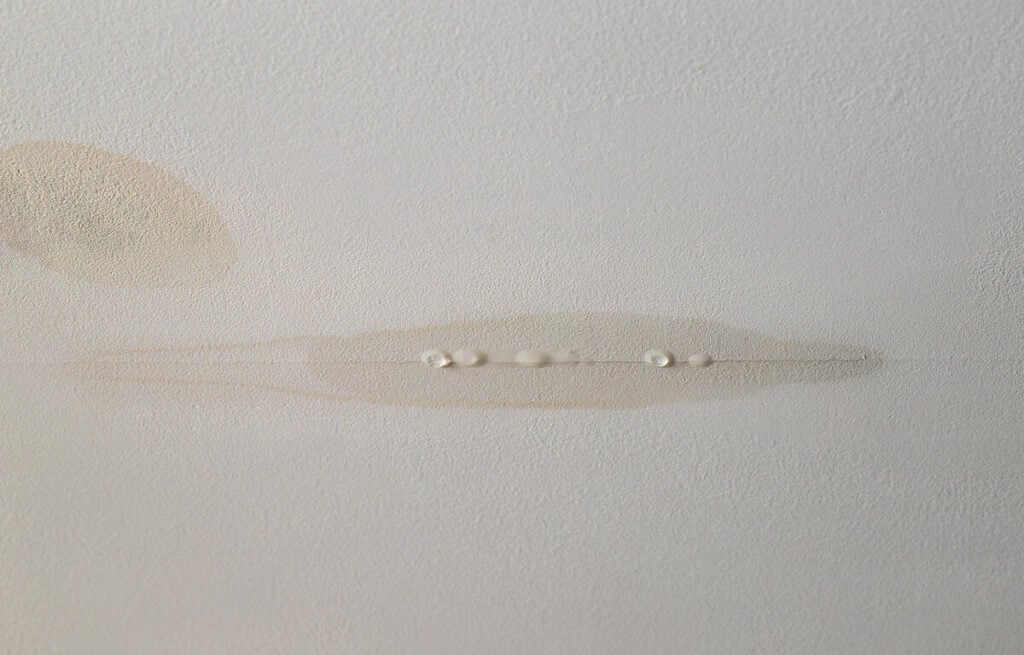
Many leaks are active for weeks before anyone connects them to the roof. Watch for these early signals after a stretch of rain.
- Ceiling stains: Brown or yellow rings, bubbling paint, or sagging tiles point to water above the ceiling.
- Musty odors: A damp smell near exterior walls or upper floors can reveal hidden moisture.
- Wet insulation: Compressed or damp insulation found during a roof inspection confirms water has entered the system.
- Ponding water: Standing water that remains 48 hours after rain signals drainage trouble that raises leak risk.
- Tenant complaints: Reports of drips, drafts, or stuffy air in one area often trace back to a roof issue.
Quick Fixes Versus Lasting Repairs
Temporary measures can limit damage, but they are not the same as a repair that solves the underlying problem. When failed repairs keep piling up, or when wet insulation and widespread seam failure affect the entire roofing system, roof replacement may be a more cost effective answer than another patch.
| Approach | What It Does | Typical Limitation |
| Tarp or temporary patch | Stops active water entry | Short lived and weather dependent |
| Sealant touch up | Closes small gaps at seams and penetrations | Can fail if the substrate is wet or aged |
| Flashing replacement | Restores a watertight transition | Requires accurate source identification |
| Seam or membrane repair | Fixes openings in the roofing surface | Best on roofs with sound surrounding material |
| Drainage correction | Removes ponding and overflow | May need tapered insulation or added drains |
Common FAQs About Fall Roof Leaks
Property managers dealing with autumn leaks tend to ask similar questions. Here are the ones we hear most often.
Why do roof leaks seem to start in the fall?
Fall brings steady rain, cooler temperatures that slow drying, and debris that clogs drains. Together those conditions push water into weak spots that stayed dry through summer.
How do I find where a roof leak is coming from?
Start with the flashing, penetrations, seams, and drains, then follow the water path from the stain back toward the high side of the roof. A professional roofing contractor using moisture scanning can confirm the exact entry point.
Can I wait until spring to fix a small leak?
Waiting is risky, because a leaking roof does not hold steady. Cold weather can enlarge cracks, wet insulation loses its value, and trapped moisture can lead to mold and roof deck damage that cost far more than the original repair.
Does insurance cover a roof leak?
Coverage often depends on the cause. Sudden storm damage may be covered, while leaks from age or deferred maintenance usually are not, so documenting the cause with a written inspection report matters.
How often should I inspect my roof for leaks?
Twice a year is common, once in spring and once in fall, with extra checks after major storms. A fall inspection is especially useful for catching problems before winter.
Advanced Solutions: Leak Repair That Finds the Real Source

A leak that is traced and repaired correctly stays fixed, and that is what property managers want when the next rain arrives. Advanced Solutions has helped commercial property owners across Texas, Missouri, Kentucky, Tennessee, and Georgia locate hidden leaks, repair the source, and protect their buildings, with veteran led crews who explain what they find and what it will take to solve it.
If fall rain has you worried about your roof, book your leak inspection and let our team track the water back to where it enters.