Featured Article
Modified Bitumen Roof Repair: Common Fixes
A well-maintained modified bitumen system is one of the more forgiving commercial roofing options out there, but even the toughest membranes eventually develop problems that need attention. When modified bitumen roof repair comes up on your to-do list, understanding what you are dealing with before calling a roofing contractor can save time and help you ask the right questions. Wondering what to expect from a commercial roof repair on a modified bitumen roofing system is a smart first step before work begins.
In this guide, we will cover:
- How modified bitumen systems are structured and why that affects repair options
- The most common damage types and their causes
- Practical repair methods matched to specific problems
- When repair no longer makes sense and replacement becomes the better call
- Common questions property owners ask before scheduling repair work
How Modified Bitumen Systems Are Structured
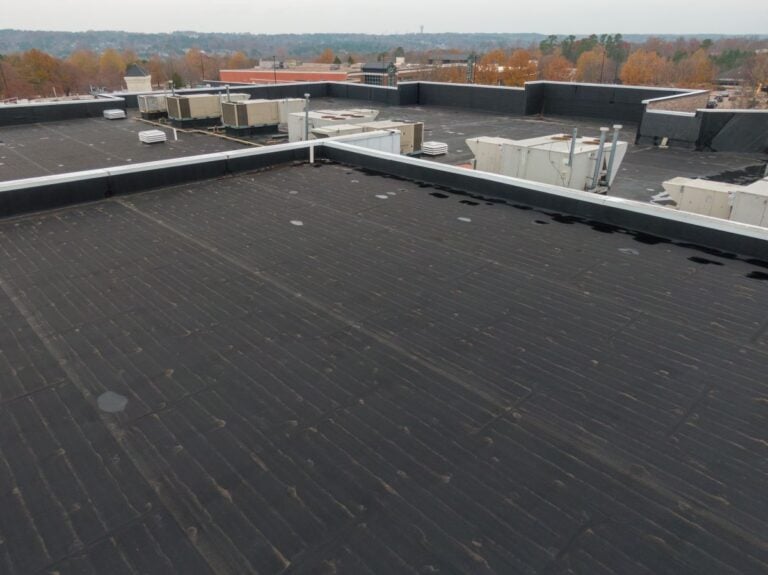
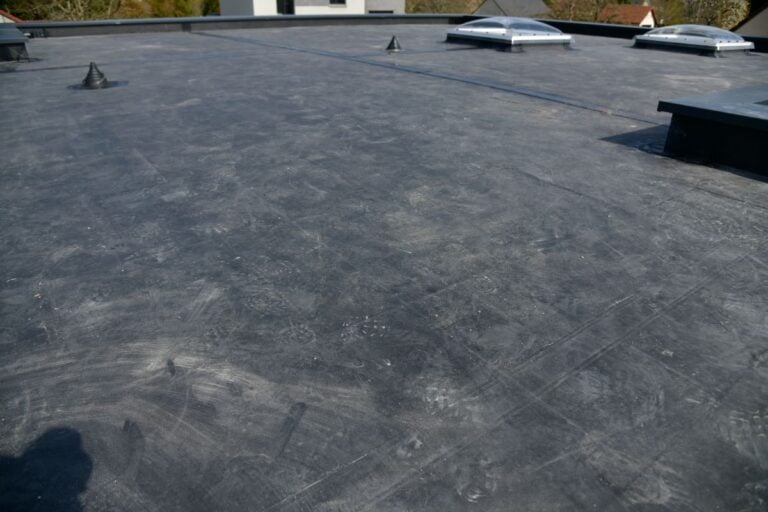
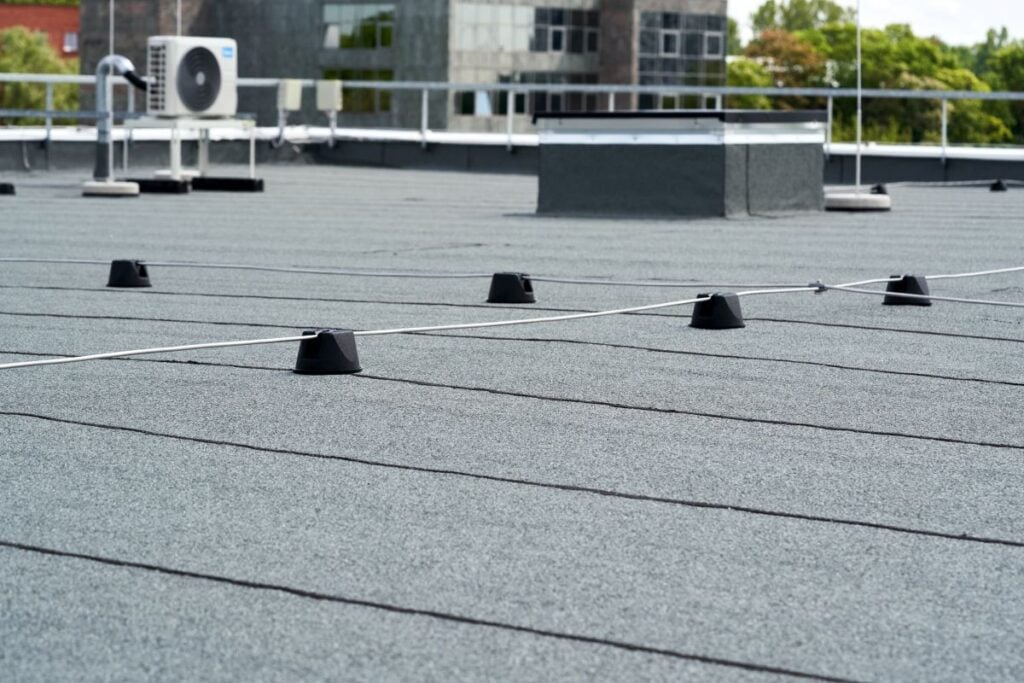
Modified bitumen roofing is a direct evolution of traditional built-up roofing, using asphalt that has been modified with polymers to improve flexibility, UV resistance, and overall durability. It is one of the most widely used roofing materials for flat roofs and low slope roofs on commercial buildings because of how well it handles standing water, temperature swings, and foot traffic. Most modified bitumen roofing systems consist of a base sheet, one or more ply layers delivering multiple layers of protection, and a granulated cap sheet on the roof surface that shields the membrane from weathering and physical wear.
According to SPRI, the industry association for sheet membrane roofing manufacturers, the two main polymer modifiers used in modified bitumen membranes are APP and SBS, each engineered to address different climate conditions and installation methods, with SBS offering superior cold-weather flexibility and APP delivering higher heat resistance and UV durability.
Properties across the Dallas-Fort Worth area and the surrounding region deal with intense summer heat, sudden hailstorms, and the occasional severe freeze, all of which put meaningful stress on any roofing membrane. We’re proud to serve home and business owners in the DFW area and nearby communities with commercial roof repair services and more.
Why Modified Bitumen Is Relatively Easy to Repair
One of the more practical advantages of a modified bitumen system is that repairs can often be made without disturbing the surrounding membrane. Because the system uses multiple bonded layers, small failures tend to stay localized rather than spreading quickly, which gives property owners more time to address issues before they escalate into larger problems.
4 Common Modified Bitumen Roof Repairs
Most repair calls on modified bitumen roofs trace back to a handful of recurring issues. Recognizing what you are dealing with helps determine the right fix.
1. Blistering and Bubbling
Blisters form when air or moisture becomes trapped between layers during installation or migrates beneath the membrane over time. While small blisters may not immediately cause roof leaks, they are weak points that can rupture under foot traffic or temperature stress, and surface cracks along blister edges are a common early warning sign that attention is needed.
- Source of the problem: Moisture in the substrate at the time of installation or vapor drive from within the building over time.
- Repair approach: Small blisters are typically cut open, dried thoroughly, and resealed with compatible membrane material and adhesive.
- What to watch for: Blisters that reappear in the same location often point to an ongoing moisture issue beneath the membrane rather than a surface-only problem.
2. Lap Seam Failures
Seams where one sheet of membrane overlaps another are among the most vulnerable points on any modified bitumen system. Over time, heat, UV exposure, and thermal movement can cause lap seams to lift, separate, or crack, creating direct paths for water to enter.
- Source of the problem: Inadequate bonding during installation, aged adhesive, or repeated thermal expansion and contraction.
- Repair approach: Failed seams are cleaned, re-adhered with compatible lap cement or heat-welded depending on the membrane type, and reinforced with seam tape where needed.
- What to watch for: Multiple seam failures across the roof in a short period may signal that the membrane has aged beyond the point where targeted repairs are cost-effective.
3. Punctures and Tears
Foot traffic, dropped tools, hail impact, and wind-blown debris are the most common causes of punctures and tears on modified bitumen membranes. These are often the most straightforward repairs when caught early.
- Source of the problem: Physical impact from maintenance activity, storm events, or rooftop equipment servicing.
- Repair approach: The damaged area is cleaned and primed, a compatible membrane patch is applied with heat or adhesive, and the edges are sealed to prevent moisture infiltration.
- What to watch for: Recurring punctures in high-traffic areas suggest walkway pads or designated access paths may be needed to protect the membrane long-term.
4. Flashing and Edge Failures
Flashing around HVAC units, drains, pipes, and parapet walls is one of the most common entry points for water on modified bitumen roofs. As flashing materials age and sealants dry out, gaps open up that allow water behind the membrane edge.
- Source of the problem: UV degradation of sealants, thermal movement pulling flashing away from the substrate, or improperly installed edge details.
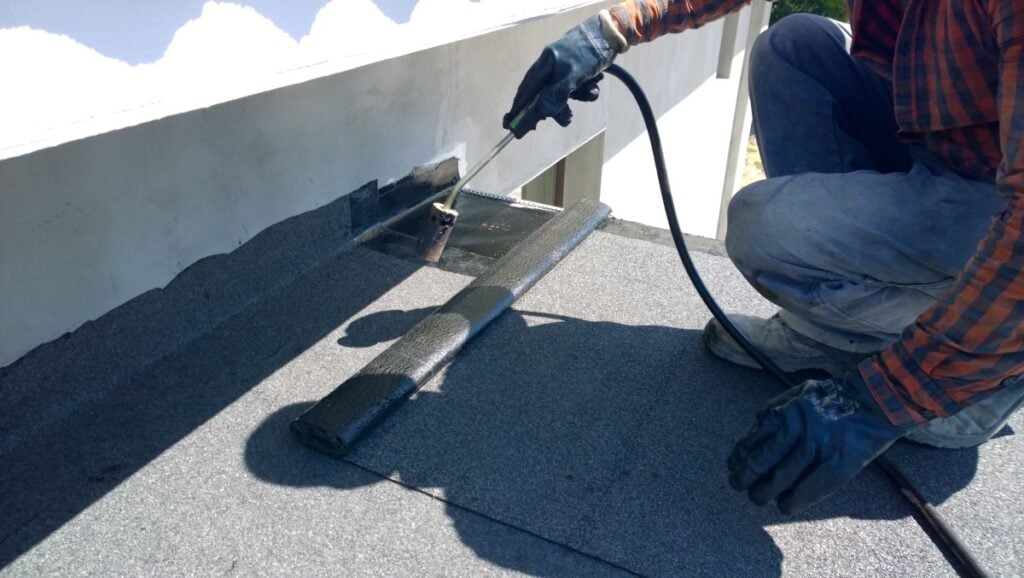
- Repair approach: Damaged flashing is removed, the substrate is cleaned and primed, and new flashing is installed and sealed with compatible materials.
- What to watch for: Flashing failures near rooftop equipment are particularly common and often the first place a leak shows up after a heavy rain.
Repair Methods by Membrane Type
The two main modifier types, APP and SBS, affect which repair methods work best on a given system. Getting this right matters because using incompatible materials can cause adhesion failures that make the repair worse than the original problem.
| Membrane Type | Common Repair Method | Key Consideration |
| SBS Modified Bitumen | Cold adhesive or hot asphalt | Works well in cooler temperatures; adhesive must be compatible |
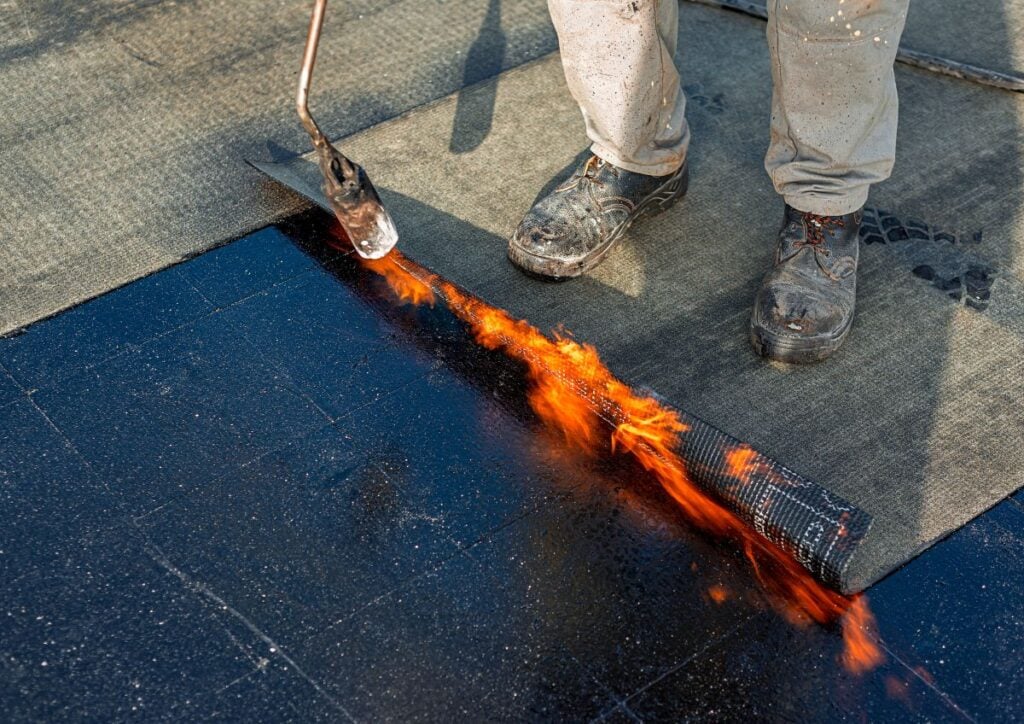
| APP Modified Bitumen | Torch-applied heat welding | Requires trained applicators; open flame adds safety requirements |
| Either Type | Peel-and-stick patches | Fast option for small repairs; surface prep is critical for adhesion |
When Repair Is No Longer the Right Call
Most modified bitumen repairs make sense when damage is isolated, and the rest of the roofing system is structurally sound. The calculation changes when repairs become frequent, when saturated roof insulation is found beneath the membrane, or when the system is approaching the end of its rated service life on commercial buildings that have deferred maintenance for too long.
- Widespread seam failures: When seams across multiple areas of the roof are failing, the membrane has typically lost the flexibility and adhesion needed to hold minor repairs long-term, and roof replacement becomes the more cost-effective path.
- Saturated insulation: Water that has reached the roof insulation layer reduces thermal performance and can cause decking damage that requires more than a membrane repair to fix.
- Repair frequency increasing: When the same areas require repeated attention, the cost of ongoing repairs often exceeds the value of what those repairs are protecting.
Common FAQs About Modified Bitumen Roof Repair
Property owners managing modified bitumen roofs tend to ask similar questions before scheduling repair work. Here are the ones we hear most often.
How long does a modified bitumen repair typically last?
A properly executed repair on an otherwise healthy membrane can last many years. The durability of the repair depends heavily on surface preparation, compatible materials, and whether the underlying cause of the failure was also addressed.
Can I repair a modified bitumen roof myself?
Small surface repairs are possible for experienced facilities teams, but most flashing work, seam repairs, and torch-applied patches require trained roofing professionals to be done safely and correctly.
How do I know if my modified bitumen roof needs repair or full replacement?
If damage is isolated, the insulation is dry, and the membrane still has meaningful life left, repair is usually the better option. A professional inspection is the most reliable way to get that answer for your specific roof.
Does modified bitumen hold up well in extreme heat?
APP-modified bitumen is particularly well-suited to high-heat climates because of its elevated softening point, while SBS systems perform better in cold weather due to their rubber-like flexibility at low temperatures.
What maintenance helps prevent modified bitumen roof repairs?
Routine inspections twice a year, keeping drains clear so water can drain properly, limiting unnecessary foot traffic, and addressing minor seam or flashing issues promptly are the most effective ways to avoid larger repair bills down the road.
Advanced Solutions: Fast, Reliable Commercial Roof Repair
Modified bitumen roofs are built to last, but staying ahead of common repair issues is what separates a roof that reaches its full potential from one that needs early replacement. Our team has helped property owners across Texas, Missouri, Kentucky, Tennessee, and Georgia identify and address roofing problems quickly, with honest assessments and repairs that hold up long after we leave the job site.
Whether you are dealing with a fresh leak, aging seams, or flashing that has seen better days, Advanced Solutions has the experience to get it right the first time. Get your free inspection on the books and let us take a look at what your roof actually needs.