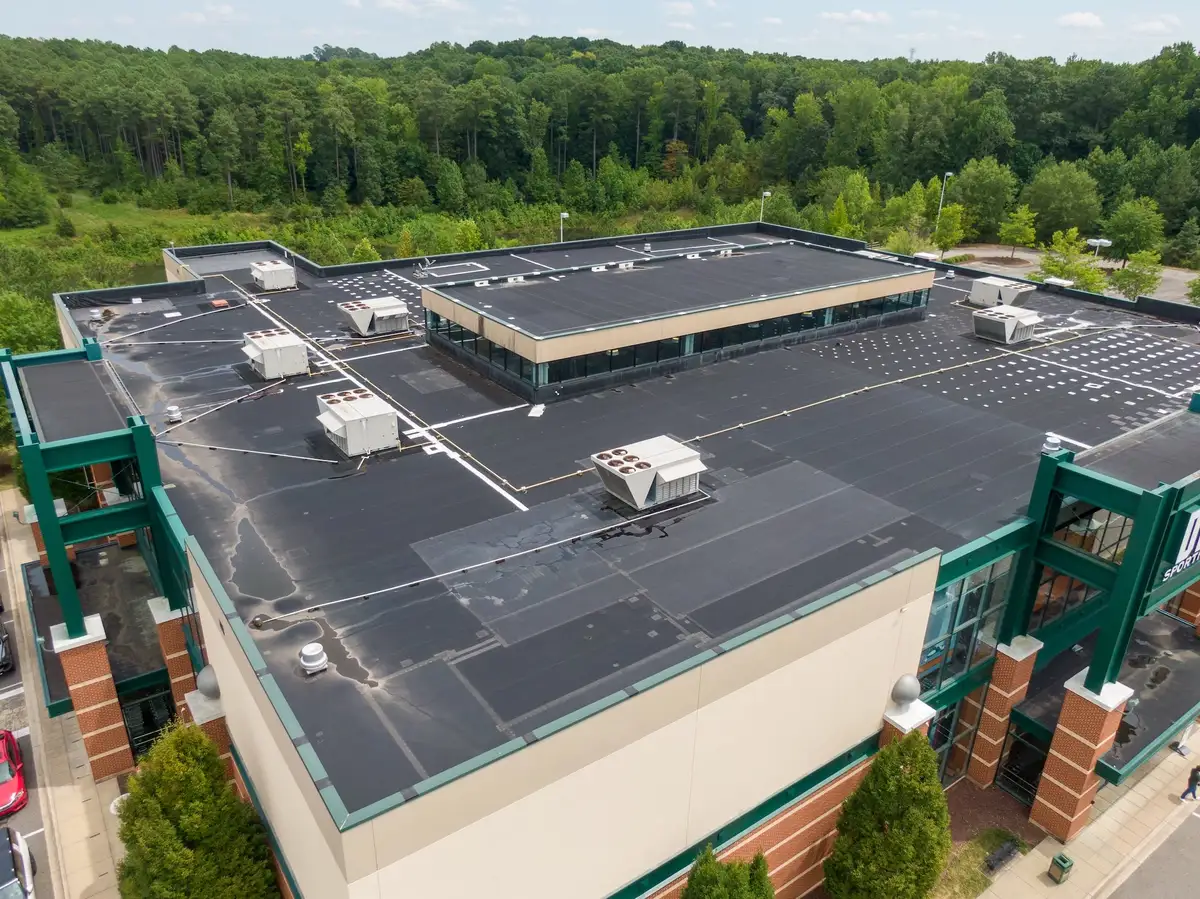
Featured Article
EPDM Roofing Installation: What the Process Involves
EPDM roofing installation is one of the most widely used solutions for commercial flat roofs and low-slope roofing systems because of its durability, flexibility, and long-term waterproofing performance. EPDM roofing membranes are commonly installed on warehouses, industrial facilities, office buildings, retail centers, schools, healthcare facilities, and other commercial properties due to their ability to withstand changing weather conditions and provide reliable roof protection over time.
As commercial property owners continue prioritizing durable and cost-effective roofing systems, EPDM roofing remains a leading option because of its proven performance, relatively simple installation process, and long service life. Understanding how EPDM roofing installation works helps businesses prepare for the project, reduce operational disruptions, and make informed long-term roofing decisions.
- Designed for flat roofs: EPDM roofing is commonly installed on commercial flat roofs and low-slope buildings.
- Flexible roofing material: Rubber membranes perform well during temperature changes and cold weather conditions.
- Long-term durability: Properly installed EPDM roofing systems can last decades with routine maintenance.
- Reliable waterproofing: EPDM membranes create a durable barrier against leaks and moisture intrusion.
What Is EPDM Roofing
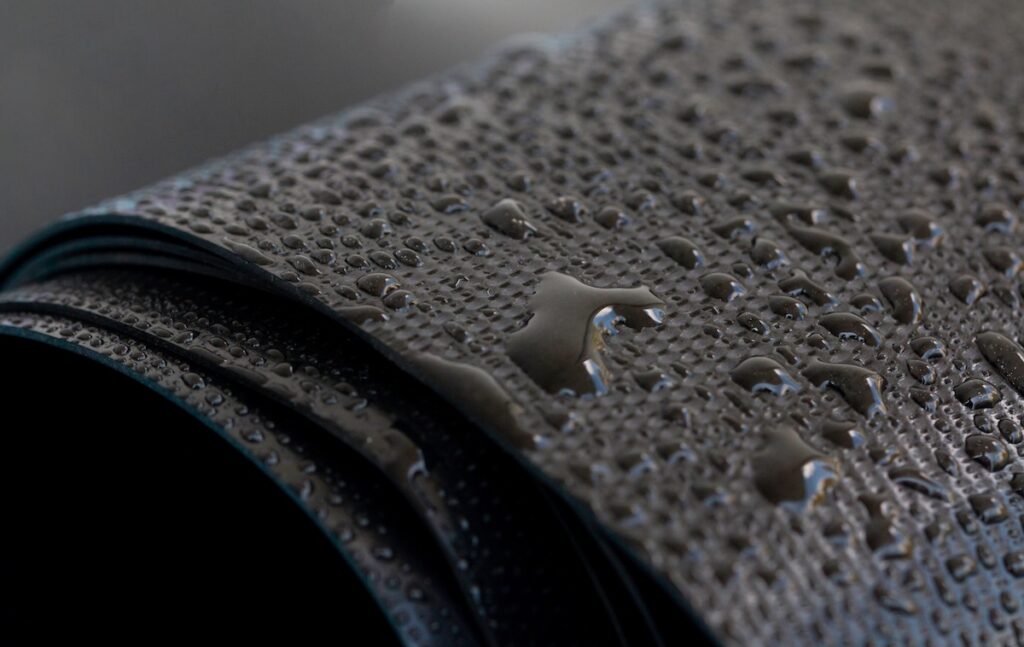
EPDM (ethylene propylene diene monomer) roofing is a synthetic rubber single-ply membrane commonly used for commercial roofing systems. The material is engineered to provide flexibility, weather resistance, and long-term waterproofing protection for commercial flat roofs.
EPDM roofing membranes are typically available in black or white finishes and can be installed using fully adhered, mechanically attached, or ballasted roofing methods depending on the building structure and project requirements.
Because of its flexibility and resistance to weather exposure, EPDM roofing remains one of the most widely used roofing materials for commercial flat roofs and low-slope roofing systems.
Why EPDM Roofing Is Popular
Commercial property owners continue choosing EPDM roofing because of its proven long-term performance, weather resistance, and cost-effectiveness. According to SPRI, the recognized authority in the single-ply roofing industry, after more than 50 years of real-world performance, EPDM has earned a strong reputation for weatherability, hail resistance, and long-term value — making it one of the most proven commercial roofing systems available for flat roofs and low-slope buildings.
Strong Weather Resistance
EPDM roofing systems perform well in changing climates and demanding weather conditions. The flexible rubber membrane can expand and contract during temperature fluctuations without becoming brittle or cracking.
- Flexible membrane handles temperature fluctuations
- Resistant to UV exposure and weathering
- Effective waterproofing for flat roofs
- Performs well in colder climates
- Strong resistance to hail and impact damage
Long Roof Lifespan
EPDM roofing systems are known for their durability and long service life when properly installed and maintained. Many commercial buildings continue using EPDM roofing systems for decades because of their proven long-term performance.
- EPDM roofing is highly resistant to hail, ozone, UV radiation, and extreme temperatures, often lasting 20 to 30 years or more
- Some systems may last 40 years or longer with proper maintenance
- Proven commercial roofing performance over decades
- Long-lasting single-ply roofing membrane
Cost-Effective Installation
EPDM roofing is often considered one of the more affordable commercial roofing systems because the installation process is generally simpler compared to heat-welded roofing systems like TPO roofing.
- Lower installation costs in some applications
- Efficient installation process for large commercial roofs
- Reduced labor complexity compared to heat-welded membranes
- Reliable long-term roofing value for commercial properties
4 Common Steps in EPDM Roofing Installation
While every commercial roofing project is different, most EPDM roofing installations follow a similar process designed to ensure long-term waterproofing performance and durability.
1. Roof Inspection and Evaluation
Before installation begins, the roofing contractor evaluates the condition of the existing roof, insulation, drainage systems, and substrate. Moisture scanning and documentation may also be performed to identify hidden water damage or deteriorated roofing materials.
The underlying roof deck should also be inspected for rust, rot, structural damage, or moisture deterioration before the new roofing membrane is installed.
- Inspection of the existing roofing system
- Evaluation of insulation and drainage performance
- Moisture scanning to identify hidden damage
- Roof deck assessment for structural concerns
2. Roof Preparation
Existing roofing materials may need to be removed depending on the roof condition and project scope. The roof surface must be cleaned, dry, and properly prepared before membrane installation begins.
Drainage performance is also evaluated during this stage. In some cases, tapering improvements may be recommended to reduce ponding water and improve drainage across the roof system.
- Removal of damaged roofing materials when needed
- Cleaning and preparation of the roof surface
- Drainage evaluation and tapering recommendations
- Preparation for membrane adhesion and installation
3. Membrane Placement and Adhesion
Once preparation is complete, the EPDM membrane is positioned across the roof surface. Depending on the installation method selected, adhesives, mechanical fasteners, or ballast materials are used to secure the membrane.
EPDM adhesives require specific temperature ranges and weather conditions to cure properly, making installation timing important for long-term seam strength and membrane adhesion. Weather conditions play a major role in installation quality and long-term roofing performance.
- Placement of the EPDM membrane across the roof surface
- Use of adhesives, fasteners, or ballast systems
- Weather monitoring during membrane installation
- Proper adhesion for long-term waterproofing performance
4. Seam Sealing and Final Inspection
Seams, flashing, penetrations, and roof edges are carefully sealed to prevent water intrusion and maintain waterproofing performance. After installation is completed, the roofing contractor performs a final inspection to confirm seam integrity, drainage performance, flashing installation, and overall waterproofing quality.
Final inspections help verify that the EPDM roofing system meets manufacturer specifications and is ready for long-term commercial use.
- Adhesive seam tapes create watertight seals
- Flashing protects rooftop penetrations
- Edge details improve wind resistance
- Proper sealing helps extend roof lifespan
- Final inspections verify waterproofing performance
Types of EPDM Roofing Installation
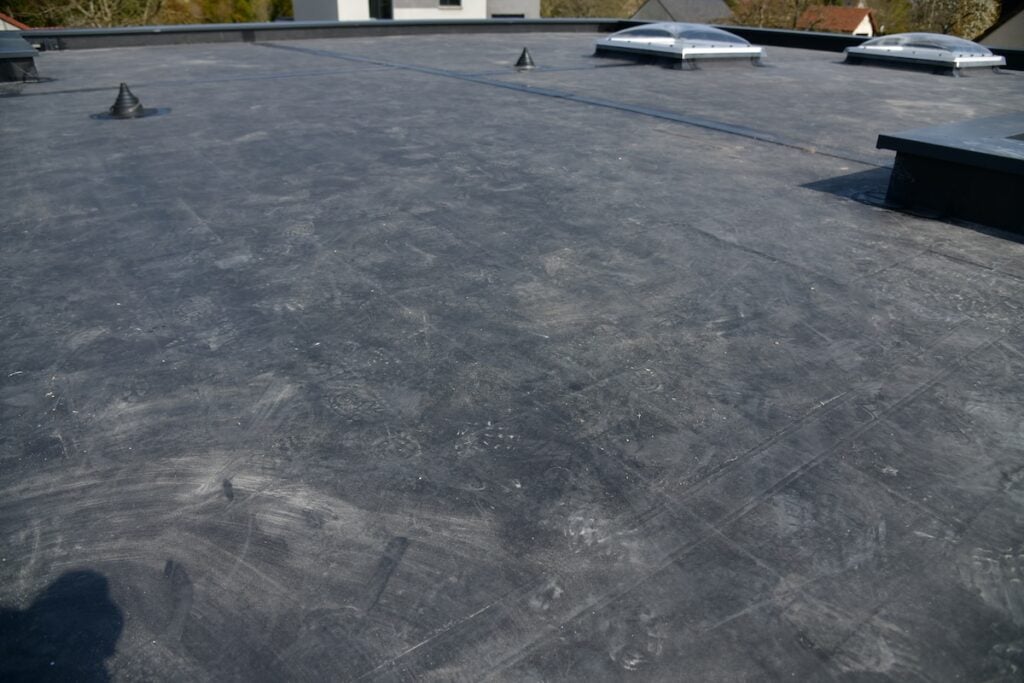
EPDM installation involves preparing the deck, laying the membrane, securing seams, and sealing edges. There are three main installation methods for EPDM roofing systems: mechanically fastened, fully adhered, and ballasted, each with its own advantages and applications.
Fully Adhered EPDM Roofing
Fully adhered systems use adhesives to bond the EPDM membrane directly to the substrate. This installation method provides a smooth appearance and strong wind resistance.
- Smooth membrane appearance
- Strong wind resistance
- Lightweight roofing system
- Common for commercial roofing applications
Mechanically Attached EPDM Roofing
Mechanically attached systems use fasteners and plates to secure the membrane to the roof deck.
- Faster installation process
- Effective for larger commercial roofs
- Common for industrial roofing systems
- Durable attachment for high-wind areas
Ballasted EPDM Roofing
Ballasted roofing systems use stone or pavers to hold the membrane in place. The ballasted EPDM roofing system accounts for approximately 35 percent of EPDM installations, using large panels held in place by stones or pavers, making it one of the easiest systems to install.
- Reduced membrane movement
- Lower installation costs in some cases
- Requires structural support for added weight
- Common on large flat roofing systems
EPDM Roofing vs Other Commercial Roofing Systems
EPDM roofing differs from other commercial roofing systems in several important ways, especially when comparing energy efficiency, installation methods, flexibility, and climate performance.
Compared to TPO Roofing
TPO roofing systems provide greater reflectivity and stronger heat-welded seams, while EPDM roofing offers greater flexibility in cold climates and often lower installation costs.
Compared to PVC Roofing
PVC roofing systems provide stronger chemical resistance, while EPDM roofing is often more cost-effective for general commercial roofing applications.
Compared to Modified Bitumen Roofing
Modified bitumen roofing systems offer greater durability for heavy rooftop traffic, while EPDM roofing provides lightweight installation and strong membrane flexibility.
Common Commercial Applications for EPDM Roofing
EPDM roofing systems are widely used across commercial and industrial properties because of their durability, flexibility, and waterproofing performance.
- Warehouses and distribution centers
- Industrial facilities
- Office buildings
- Retail centers
- Educational and healthcare buildings
- Large commercial flat roofs
- Manufacturing facilities
- Multifamily properties
EPDM roofing is especially popular on large flat roofing systems where cost-effectiveness and long-term durability are priorities.
Maintenance and Long-Term Performance
Routine maintenance is important for maximizing the lifespan of EPDM roofing systems and preventing premature roof failure. They are relatively easy to maintain, with fewer seams leading to lower maintenance and repair costs over the lifespan of the system.
- Schedule roof inspections twice per year
- Inspect seams and flashing regularly
- Keep drainage systems clear
- Address punctures or membrane damage early
- Monitor rooftop equipment areas for wear
Preventative maintenance helps extend roof lifespan, reduce repair costs, and maintain waterproofing performance over time.
Common FAQs About EPDM Roofing Installation
Commercial property owners often choose EPDM roofing because of its flexibility, durability, and proven long-term performance on commercial flat roofs. Understanding the installation process, maintenance requirements, expected lifespan, and climate performance helps businesses determine whether EPDM roofing aligns with their operational needs and long-term roofing goals.
How long does EPDM roofing installation take?
Project timelines vary depending on roof size, weather conditions, and installation complexity. Most EPDM roofing installations take several days to a few weeks for larger commercial buildings.
How long does EPDM roofing last?
Most EPDM roofing systems last between 20 and 30 years, although properly installed and maintained systems can sometimes exceed 40 years.
Is EPDM roofing good for flat roofs?
Yes. EPDM roofing is specifically designed for flat roofs and low-slope commercial roofing systems.
Does EPDM roofing require maintenance?
Yes. Routine inspections, seam evaluations, drainage maintenance, and preventative repairs are important for maximizing roof lifespan and waterproofing performance.
Is EPDM roofing energy efficient?
Black EPDM membranes absorb more heat than reflective roofing systems like TPO, although white EPDM options are available for improved energy efficiency.
Choosing the right commercial roofing system requires evaluating building use, climate conditions, budget, drainage performance, and long-term maintenance needs. Working with an experienced commercial roofing contractor helps ensure the EPDM roofing system is installed correctly and designed for reliable long-term performance.
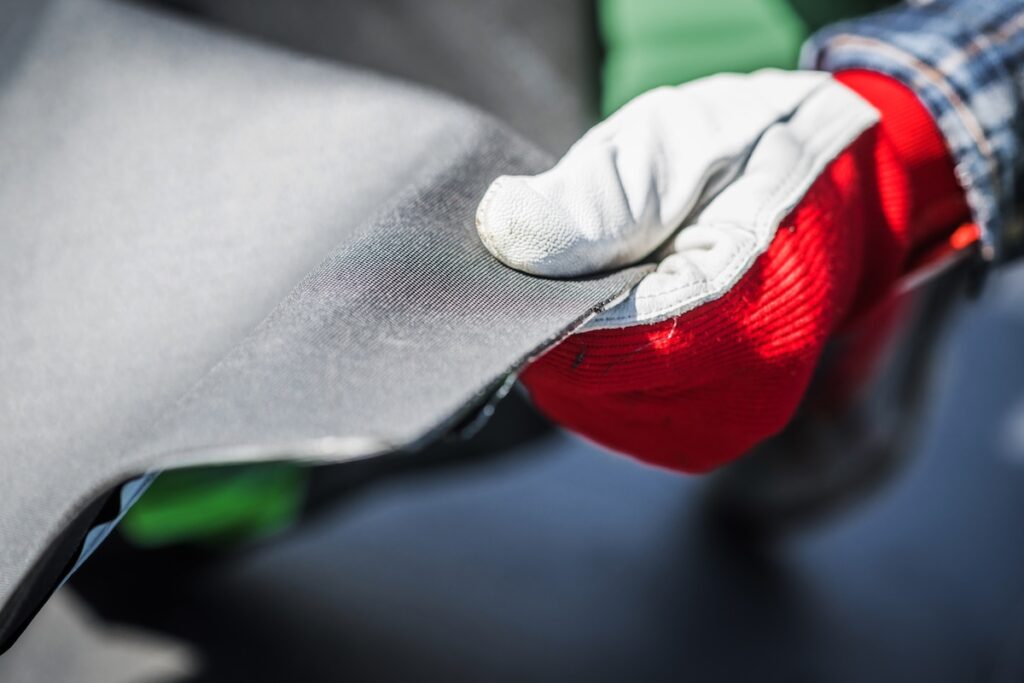
Trust Advanced Solutions for EPDM Roofing Installation
Advanced Solutions provides expert EPDM roofing installation, replacement, and maintenance services for commercial and industrial properties. Our team works with property owners to deliver roofing solutions designed for durability, waterproofing, and long-term roof performance.
Whether you need a complete EPDM roof replacement, commercial roof inspection, or preventative maintenance services, Advanced Solutions delivers dependable commercial roofing solutions built around quality workmanship and reliable protection.