Featured Article
EPDM Roof Repair: 6 Common Issues Explained
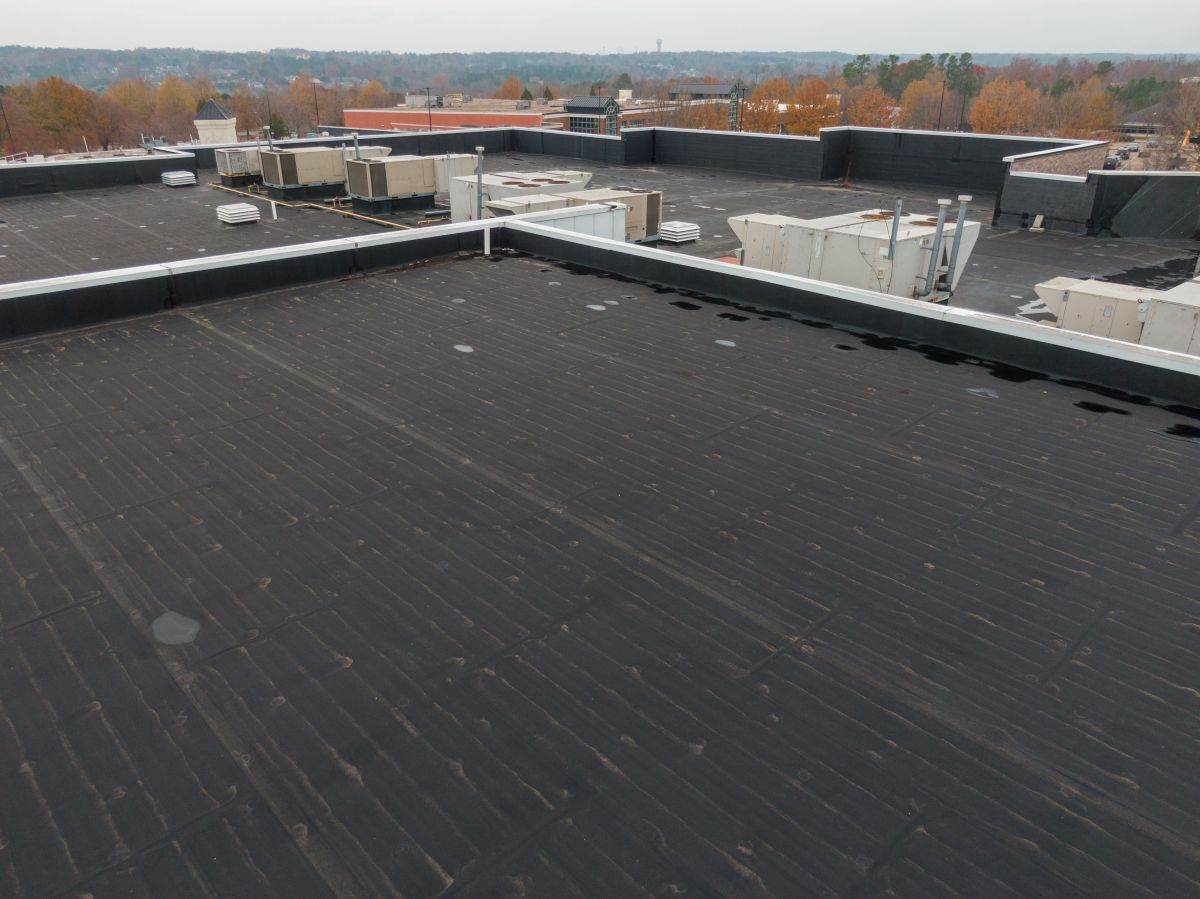
EPDM is one of the most durable single-ply membranes on the market, but even a well-installed system develops issues over time that require attention. When EPDM roof repair moves up the priority list, knowing what you are actually dealing with changes how quickly and confidently you can move forward. Property owners who take the time to understand rubber membrane roofing maintenance tend to catch problems earlier, spend less on repairs, and get more out of their existing system.
In this guide, we will cover:
- Why EPDM repairs differ from other membrane types
- The six most common EPDM repair scenarios and what causes them
- How repair methods are matched to specific problems
- What separates a repair from a full replacement decision
- Common questions property owners ask before scheduling repair work
Why EPDM Repairs Are Different From Other Membranes
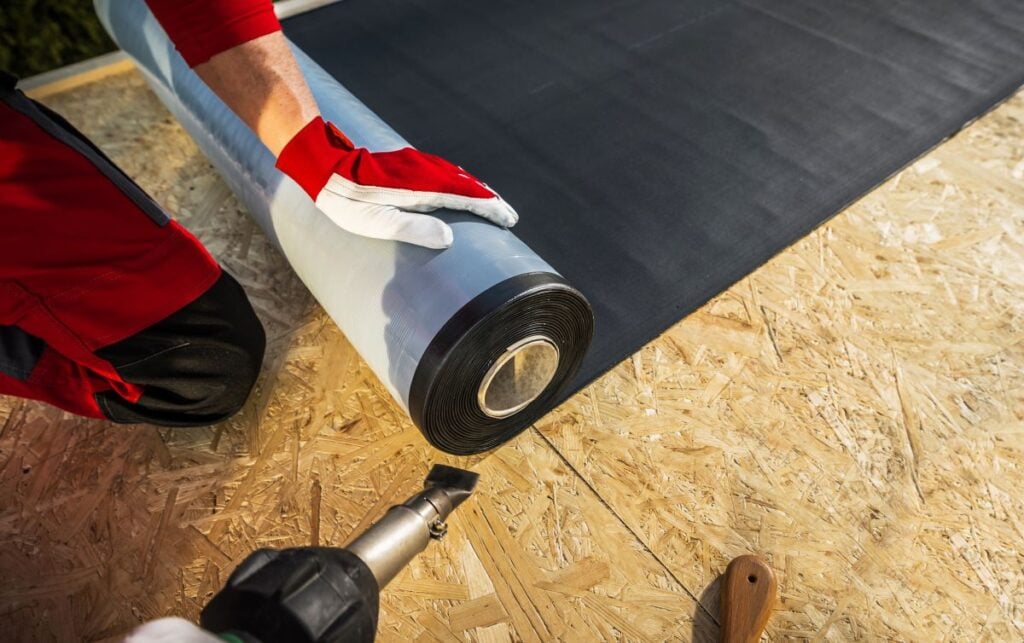
EPDM is a rubber-based membrane, which gives it flexibility advantages over many other single-ply options but also means that compatible repair materials matter more than with some other systems. Using incompatible adhesives or patches on an EPDM membrane can cause further delamination rather than resolving the original problem, which is why having an experienced contractor handle repairs is worth more than it might seem on the surface.
Properties across Memphis, Tennessee and the surrounding region deal with intense summer heat, heavy spring rainfall, and occasional ice events, all of which accelerate the wear patterns that lead to the most common EPDM repair calls. We’re proud to serve home and business owners in Memphis, Tennessee and nearby communities with commercial roof repair services and more.
What Makes EPDM Easier to Repair Than Many Systems
One of the genuine practical advantages of EPDM is that most repairs can be completed without disturbing the surrounding membrane. Because the material is flexible and responds well to compatible patch systems, localized fixes hold up well when done correctly. This keeps repair costs manageable and allows property owners to extend the service life of the system without committing to a full replacement.
6 Common EPDM Roof Issues Explained
Most repair calls on EPDM systems trace back to a predictable set of recurring problems. Understanding each one helps you evaluate the severity and make informed decisions about timing and approach.
1. Seam Separation
Seams are where two panels of EPDM membrane overlap and are bonded together, and they are consistently the most vulnerable point on any EPDM installation. Over time, thermal movement, UV exposure, and adhesive degradation can cause seams to lift, separate, or develop small gaps that allow water to infiltrate the system.
- What causes it: Aged lap adhesive, inadequate surface preparation at installation, or repeated thermal expansion and contraction pulling at the bond line.
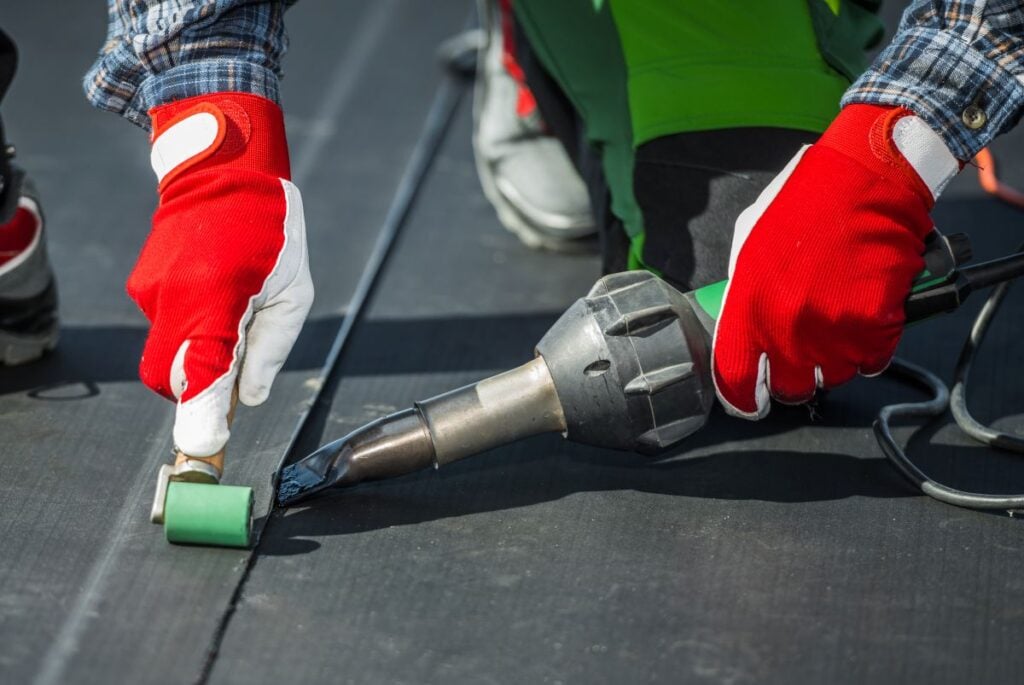
- How it is repaired: Separated seams are cleaned, re-primed, and re-bonded with compatible lap sealant or seam tape, then rolled firmly to ensure full contact.
- What to watch for: Seams that re-separate shortly after repair often indicate an ongoing moisture issue beneath the membrane or adhesive that was not compatible with the existing membrane.
2. Membrane Punctures and Tears
Foot traffic, dropped tools, rooftop equipment, and hail are among the most frequent causes of punctures and tears on EPDM membranes. Thinner 45 mil systems are more vulnerable than 60 mil or 90 mil membranes, particularly on roofs that see regular maintenance activity.
- What causes it: Physical impact from maintenance crews, storm debris, or equipment installation without proper membrane protection in place.
- How it is repaired: The damaged area is cleaned and primed, a compatible EPDM patch is applied with lap adhesive, and the edges are sealed to prevent water entry.
- What to watch for: Recurring punctures in the same areas signal that walkway pads or designated access routes may be needed to protect the membrane long-term.
3. Shrinkage and Membrane Pull-Back
EPDM can shrink over time as it ages, particularly in roofs that were installed decades ago using older membrane formulations. When this happens, the membrane pulls away from flashing details, parapets, and penetrations, creating open gaps at the roof perimeter and around equipment.
- What causes it: Natural polymer aging, UV degradation, and thermal cycling over many years gradually cause the membrane to contract.
- How it is repaired: Minor pull-back can be addressed by re-flashing the affected areas with compatible membrane and adhesive; significant shrinkage across large portions of the roof may indicate the system is approaching end of life.
- What to watch for: Membrane that appears taut or wrinkled near edges and penetrations is often an early sign of shrinkage before gaps become visible.
4. Flashing Failures
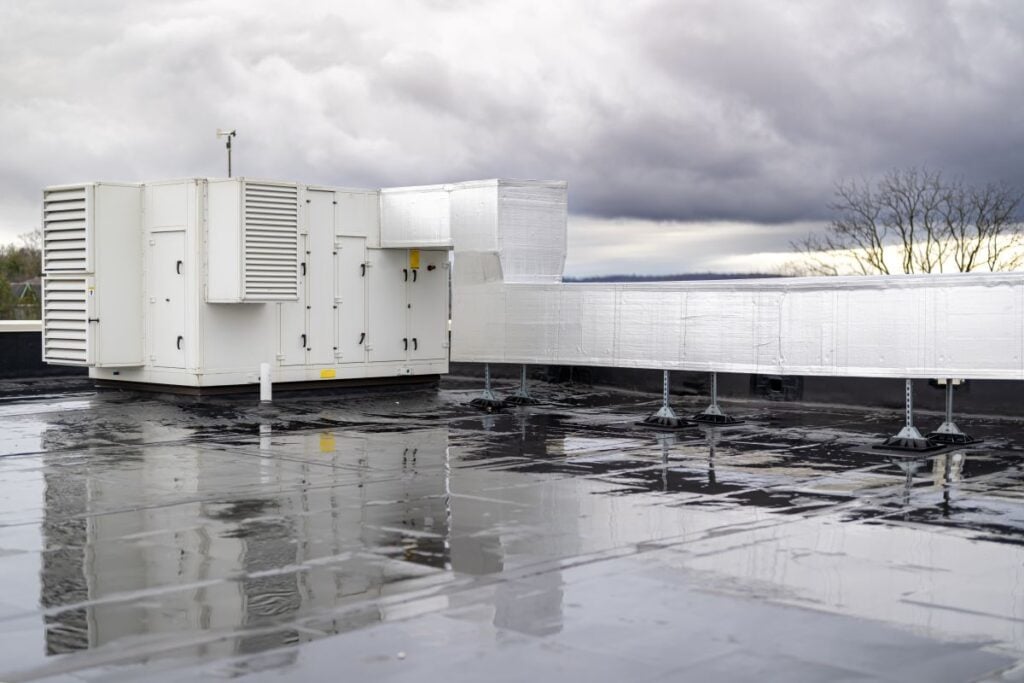
Flashing seals the transition between the EPDM membrane and vertical surfaces like parapet walls, curbs, and HVAC equipment bases. It is a separate component from the field membrane and tends to fail earlier, particularly if it was undersized or improperly bonded at installation.
- What causes it: UV degradation of lap sealants, thermal movement, and inadequate original flashing details that were never designed to handle the building’s actual movement patterns.
- How it is repaired: Damaged flashing is removed down to the substrate, the area is cleaned and primed, and new EPDM flashing is installed and sealed with compatible materials.
- What to watch for: Flashing failures near rooftop HVAC units and at parapet corners are the most common entry points for water on flat EPDM roofs.
5. Blistering and Bubbling
Blisters form when air or moisture becomes trapped between the membrane and the substrate beneath it. On EPDM, blisters can develop from vapor drive within the building, moisture in the substrate at the time of installation, or adhesive that did not fully bond across the membrane surface.
- What causes it: Trapped moisture or air beneath the membrane, often related to inadequate surface preparation or high interior humidity pushing vapor upward through the roof assembly.
- How it is repaired: Small blisters are carefully cut open, allowed to dry fully, and resealed with compatible adhesive and membrane material; large or recurring blisters may require insulation replacement beneath the membrane.
- What to watch for: Blisters that appear in clusters or return after repair often indicate a moisture source within the building rather than a surface-only problem.
6. Ponding Water and Drain Issues
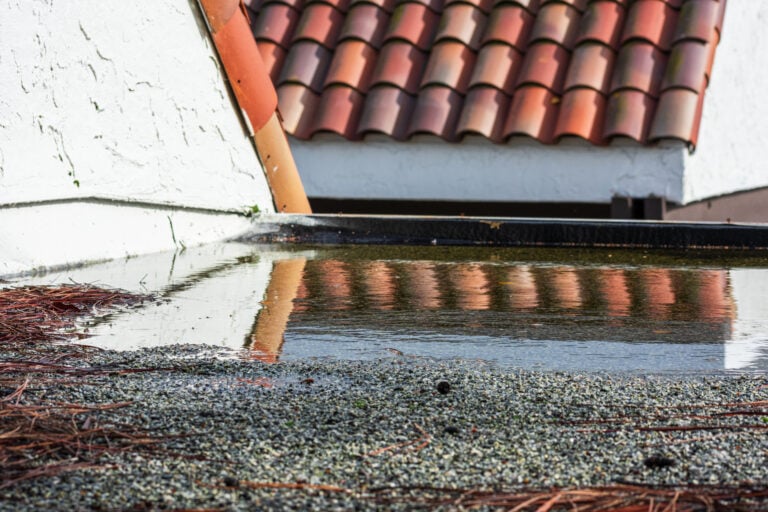
EPDM handles incidental ponding better than many other membranes, but chronic standing water still accelerates seam breakdown and membrane degradation over time. Blocked drains and inadequate slope are the most common contributors.
- What causes it: Debris-clogged drains, inadequate original slope, or building settlement that has created low spots on an otherwise well-designed roof.
- How it is repaired: Drainage improvements such as adding drains, clearing blockages, or installing tapered insulation to redirect water flow address the root cause; membrane repairs address any damage that has already occurred.
- What to watch for: Any roof area where water consistently remains longer than 48 hours after rainfall should be flagged for drainage evaluation before membrane damage compounds.
Repair vs. Replacement Decision Guide
Most EPDM repairs make financial sense when damage is isolated and the surrounding membrane is structurally sound. The equation shifts when problems become widespread or the membrane has aged past its effective service life.
| Situation | Recommended Action |
| Isolated seam or puncture on a roof under 20 years old | Targeted repair |
| Flashing failure with dry insulation beneath | Reflash affected areas |
| Membrane shrinkage across large portions of roof | Evaluate for replacement |
| Saturated insulation beneath membrane | Replacement likely needed |
| Recurring repairs in the same areas | Comprehensive inspection before next repair |
Common FAQs About EPDM Roof Repair
Property owners managing EPDM systems tend to ask similar questions before scheduling repair work. Here are the ones we hear most.
How long does an EPDM repair typically last?
A properly executed repair on a healthy membrane can last the remaining life of the system. The durability depends heavily on material compatibility, surface preparation, and whether the root cause of the failure was also addressed.
Can EPDM repairs be done in cold weather?
Some repair methods are temperature-sensitive, particularly those using liquid adhesives that need adequate temperature and cure time. Self-adhering tape systems generally perform better in cooler conditions. A qualified contractor will adjust the approach based on current weather conditions.
How do I know if my EPDM roof needs repair or full replacement?
If damage is localized and the insulation beneath the membrane is dry, repair is usually the right call. Widespread seam failures, significant membrane shrinkage, or saturated insulation typically point toward replacement being more cost-effective long-term.
How often should an EPDM roof be inspected to stay ahead of repairs?
Twice a year is the general recommendation, with additional checks after major storm events. Regular inspections catch seam separations and flashing issues before they allow water into the building.
Is it worth coating an aging EPDM roof instead of replacing it?
In many cases, yes. A reflective silicone or acrylic coating applied over a structurally sound EPDM membrane can extend service life by ten or more years while also improving energy efficiency, which makes it a cost-effective alternative to full replacement for roofs that are aging but not failing.
Advanced Solutions: EPDM Repair Done Right
EPDM is a forgiving system when problems are caught early and repaired correctly, but every year of deferred maintenance narrows that window. Our team has helped property owners across Texas, Missouri, Kentucky, Tennessee, and Georgia keep their EPDM roofs performing well, whether that means a quick seam repair, a full flashing replacement, or an honest conversation about whether the time has come for a new system.
If your EPDM roof is showing signs of wear or you have a leak that has not been resolved, we are ready to help. Talk to our commercial roofing team and get a clear picture of what your roof actually needs.