Featured Article
7 Water Removal Steps That Protect Your Roof After a Storm
The storm may be over, but the damage to your roof and home is still unfolding as long as water stays where it does not belong. Emergency water removal is the fastest way to stop a leak from spreading into insulation, decking, and ceilings, and the steps you take in the first day often decide whether you face a simple repair or a much larger restoration. If you are dealing with a fresh leak, understanding how roof storm damage repair fits into the cleanup will help you protect your property in the right order.
In this guide, we will cover:
- Why water left behind after a storm does so much damage
- Seven practical steps to remove water and protect your roof
- Which areas of the property hold water and how each one is handled
- When to call a roofing professional instead of handling it yourself
- Answers to the questions homeowners ask most
Why Leftover Water Causes So Much Damage
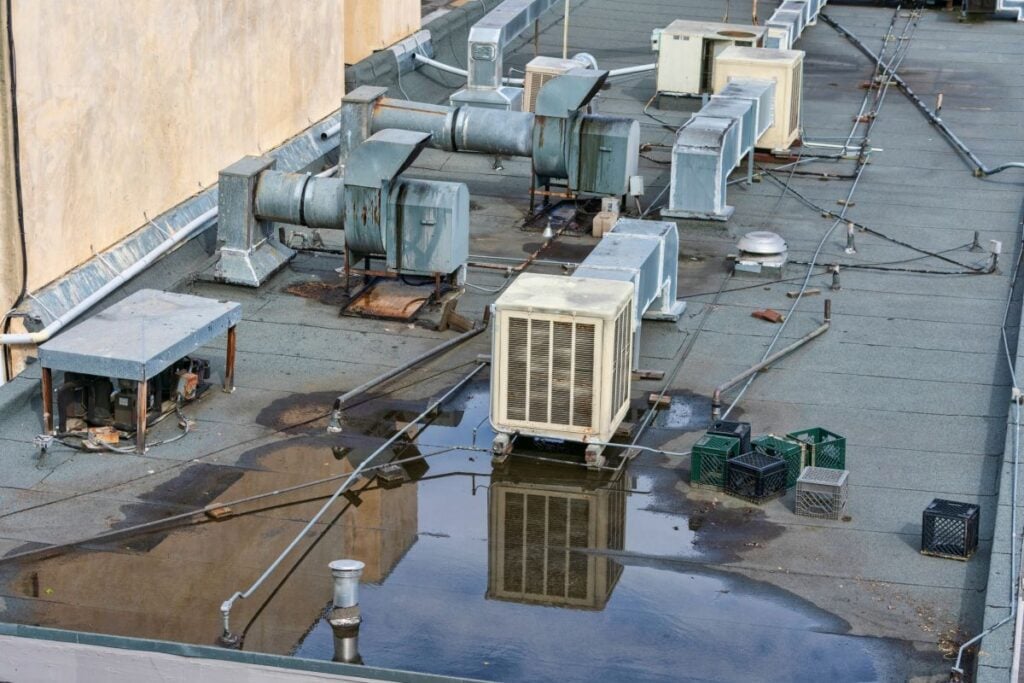
Water does not need much time to cause lasting harm. Once it passes through a damaged roof, it soaks into insulation, wicks into drywall, and settles into low spots where it can sit for days. The longer it stays, the more materials it saturates and the more expensive the repair becomes.
The restoration industry has a formal playbook for this. According to the IICRC, the ANSI/IICRC S500 standard lays out the procedures and precautions for professional water damage restoration in homes, businesses, and institutional buildings, including drying science, safety, and documentation, which is why a methodical approach to water removal beats a quick wipe down every time.
Properties across Springfield, MO, see heavy spring downpours, sudden hail, and humid summers that keep damp materials from drying on their own. We’re proud to serve home and business owners in Springfield, MO, and nearby communities with emergency roof repair and more.
Why Speed and Order Both Matter
Removing water quickly is only half the job, because doing it in the wrong order can trap moisture or create new hazards. Stopping the source before extracting water, for example, keeps you from pulling out gallons only to have the next rain refill the space. A good water removal plan works from the top down, starting at the roof opening and moving through the attic, ceilings, and living spaces. Following that sequence keeps the cleanup efficient, protects your health and safety, and gives you a clean record of what was affected for any insurance claim that follows.
7 Water Removal Steps to Protect Your Roof After a Storm
These seven steps give you a clear order of operations. Some you can start on your own, and others are best left to trained crews with the right equipment.
1. Put Safety First Before Touching Any Water
Standing water near electrical outlets, light fixtures, or a sagging ceiling can be dangerous. Take a few minutes to make the space safe before you start any cleanup.
- Power down: Shut off electricity to wet areas at the breaker if you can do so without stepping through water.
- Stay off the roof: Walking on a wet, storm damaged roof is a serious fall risk, so leave rooftop work to professionals.
2. Stop the Source With a Temporary Cover
Water removal will not last if rain can keep coming in. A secured tarp or temporary patch over the damaged area stops new water from entering while you work.
- Proper tarping: A tarp needs to be anchored correctly and extended past the damaged area to shed water instead of channeling it under the roofing.
- Professional help: Crews can install a temporary cover safely, which is usually the best use of your time during an emergency.
3. Clear Standing Water and Blocked Drainage
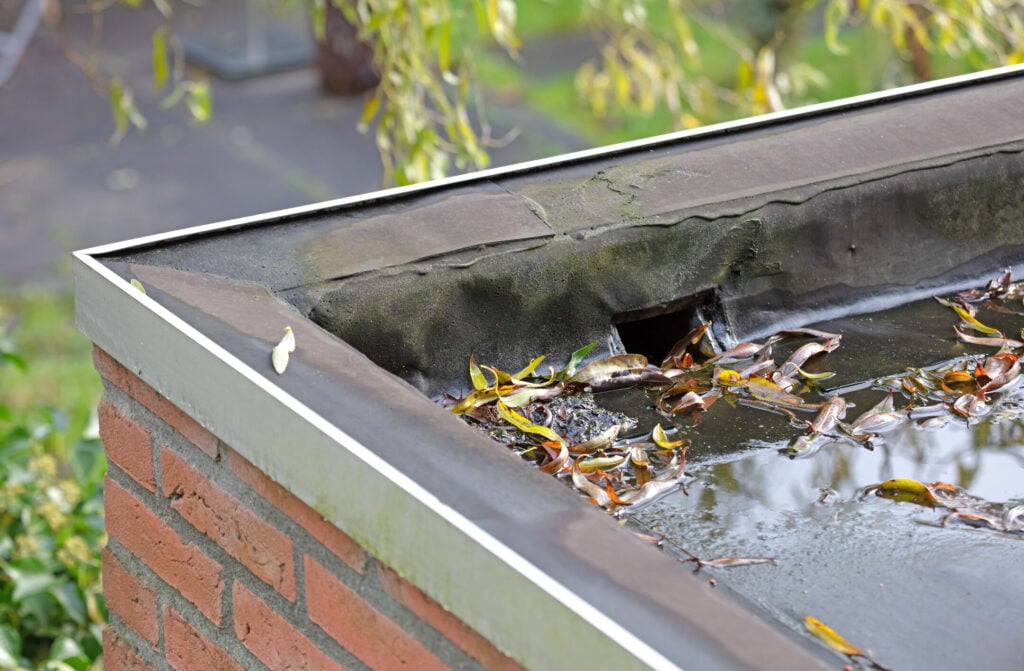
On flat or low slope roof sections, water can pool in low spots and clogged drains. That extra weight and moisture adds stress to the roof structure and keeps pushing water toward any weak spot.
- Drain and gutter checks: Debris in gutters, scuppers, and downspouts is often the reason water cannot leave the roof.
- Controlled removal: Large amounts of ponded water should be removed by a roofing crew that can assess the deck before anyone adds weight to the roof.
4. Extract Water From the Attic and Ceilings
Once the roof is protected, focus on the water that already got inside. Wet attic floors and bulging ceilings need attention quickly, because trapped water will keep spreading and saturating more material.
- Wet vacuum use: A wet vacuum or extraction pump removes pooled water from floors and surfaces faster than towels ever could.
- Ceiling relief: A bulging ceiling holding water can collapse, so it should be released carefully from a safe position, ideally by a professional.
5. Remove Saturated Insulation and Materials
Wet insulation loses its ability to insulate and holds moisture against the roof deck and framing. Materials that cannot be dried in place usually need to come out.
- Insulation removal: Soaked batts and blown insulation often need to be pulled and replaced rather than dried.
- Porous materials: Wet drywall, ceiling tile, and cardboard are the first to grow mold and typically need to be discarded.
6. Dry the Structure Completely
Surface dry is not the same as dry. Moisture hides in framing, decking, and wall cavities, and it needs to be driven out with air movement and dehumidification until readings return to normal.
- Air movement and dehumidifiers: Fans and dehumidifiers pull moisture out of the air and materials so the structure can dry thoroughly.
- Moisture meters: Readings confirm when wood and drywall are actually dry, which prevents hidden dampness from turning into mold or rot.
7. Document Everything and Schedule a Roof Inspection
Before repairs begin, record the damage and have the roof professionally inspected. A written inspection report ties the water damage to the storm and identifies exactly where the roof was breached.
- Photos and video: Capture the damage, wet materials, and the cleanup process so your records are complete.
- Roof assessment: An inspection finds damaged shingles, flashing, or membrane that allowed the water in, so the permanent repair fixes the real cause.
Where Water Hides and How Each Area Is Handled
Different parts of a property hold water in different ways, which changes how it should be removed.
| Area | Common Problem | Typical Removal Approach |
| Roof surface | Ponding in low spots and clogged drains | Clear drainage and remove pooled water under supervision |
| Attic floor | Pooled water and wet insulation | Wet vacuum extraction and insulation removal |
| Ceilings | Bulging or saturated drywall | Controlled drainage and material removal |
| Wall cavities | Moisture trapped behind finishes | Targeted drying with moisture monitoring |
When to Call a Roofing Professional

Some water removal tasks are reasonable for a prepared homeowner, but others carry real risk. Call a professional when water is coming through the roof, when ceilings are sagging, or when you cannot tell where the water entered. Professionals have the equipment, safety training, and experience to protect the structure while finding the source.
- Active leaks: If water is still entering, the roof needs a temporary cover before any cleanup will hold.
- Structural concerns: Sagging ceilings, soft decking, or visible deflection call for an expert assessment before anyone works beneath them.
- Unknown source: A roofing inspection can trace water back to a failed flashing, cracked shingle, or damaged seam.
Common FAQs About Emergency Water Removal After a Storm
Homeowners dealing with storm water tend to ask the same practical questions. Here are the ones we hear most often.
How quickly should I start removing water after a storm?
As soon as it is safe. Water that sits for more than a day or two can saturate insulation and drywall and invite mold, so a fast response keeps damage smaller and repairs less expensive.
Can I remove the water myself?
Small amounts of water can often be handled with a wet vacuum, but anything involving roof access, sagging ceilings, or electrical hazards should go to professionals. Your safety matters more than saving on labor.
Will insurance cover emergency water removal?
Sudden storm damage is commonly covered, and many policies include reasonable emergency measures such as tarping and water extraction. Document the damage before cleanup and notify your carrier promptly to keep the claim on solid footing.
How do I know if my roof caused the leak?
Water stains near the roofline, wet attic insulation, and damp decking point to a roof entry point. A roof inspection confirms the source and shows whether flashing, shingles, or the membrane failed.
What happens if I only dry the surface?
Surface drying leaves moisture trapped in framing and decking, which can lead to mold, rot, and recurring damage. Complete drying with moisture readings is the only reliable way to finish the job.
Advanced Solutions: Fast Response When Water Is Already Inside
A storm leak does not wait for a convenient time, and neither should the cleanup. Advanced Solutions has helped property owners across Texas, Missouri, Kentucky, Tennessee, and Georgia stop active leaks, protect interiors, and repair the roof damage that let the water in, with veteran led crews who respond quickly and explain every step.
If your roof let water in during the last storm, request your roof inspection and let our team find the source, stop the damage, and set up a lasting repair.