Featured Article
Emergency Roof Leak Repair: What to Do First
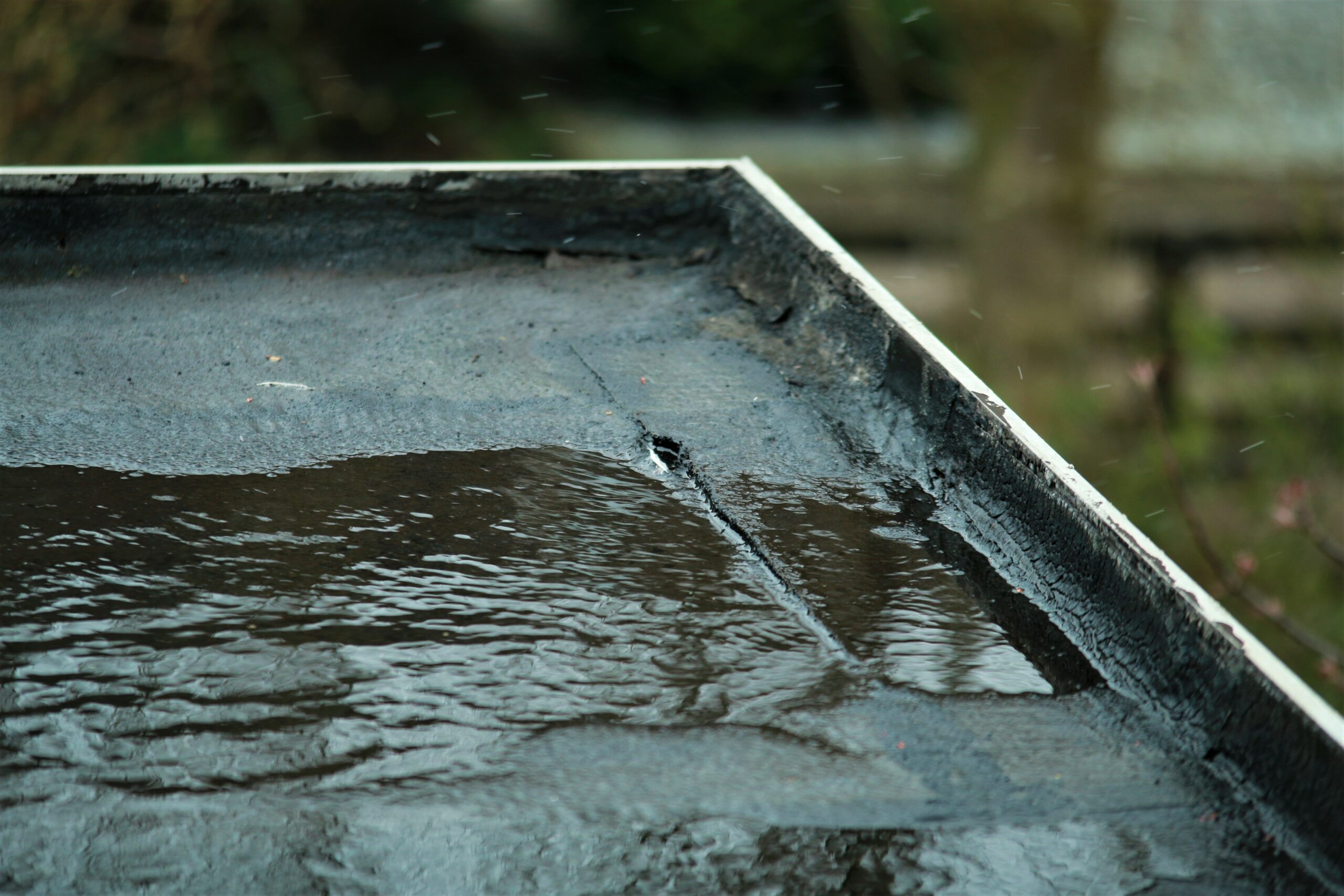
Emergency roof leak repair is critical when water starts entering your building and threatens to cause serious damage. Whether it’s a commercial roof or residential roof, even a small leak can quickly escalate into a leaking roof that leads to structural issues, interior damage, and costly repairs. Acting fast not only protects your property but also helps prevent further damage and reduces the need for major roof replacement. Understanding what to do in the first moments of a roof leak can make the difference between a minor fix and a major restoration project.
- Act quickly: Immediate action helps minimize water damage and protect structural components.
- Protect your space: Containing water early prevents damage to ceilings, flooring, and equipment.
- Temporary solutions help: Quick fixes can reduce the severity of the leak before a permanent repair.
- Professional help matters: A qualified roofing contractor ensures the issue is properly resolved.
Signs You Need Emergency Roof Leak Repair
Roof leaks often start small before becoming serious problems that require emergency roof repairs.
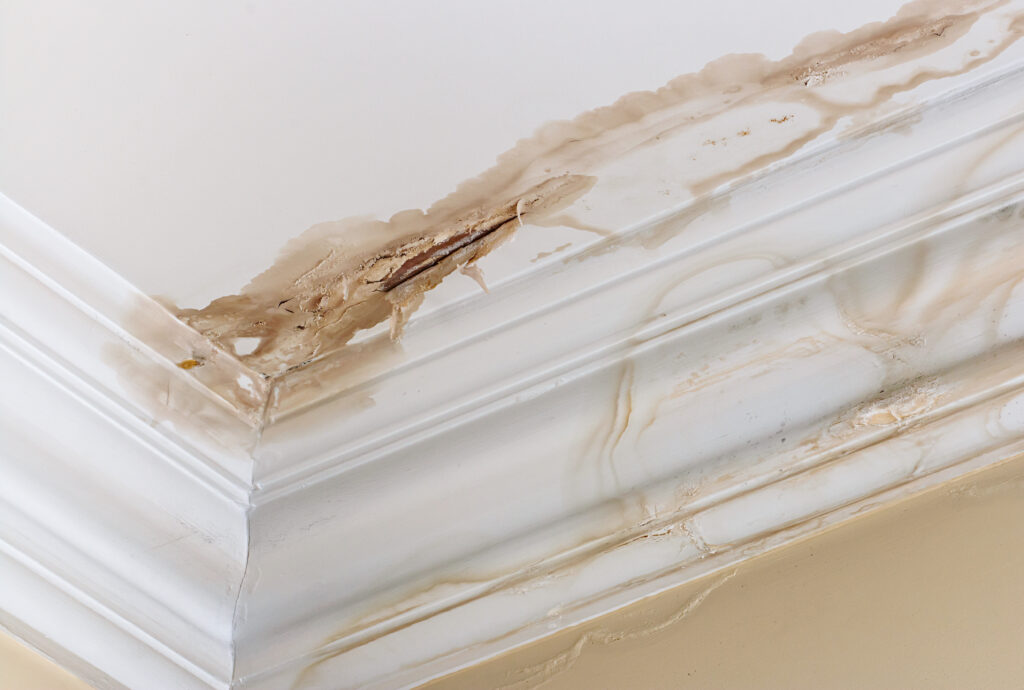
- Water stains or discoloration: A common early sign of a leaking roof.
- Active dripping water: Indicates the problem has progressed and needs immediate attention.
- Damaged shingles or missing materials: Compromised roofing materials allow water to enter.
- Musty odors or mold growth: Moisture buildup can lead to indoor air quality issues.
- Sagging or bubbling ceilings: A sign of trapped water that could lead to collapse.
3 Steps to Take Immediately After a Roof Leak Starts
Taking the right steps during an emergency roof leak repair situation can significantly reduce damage and limit repair costs.
1. Contain the Water
Your first priority is minimizing interior damage.
- Place buckets or containers under the leak
- Use towels or tarps to protect surfaces
- Move valuables away from the affected area
2. Relieve Pressure from Bulging Ceilings
If water collects above your ceiling, it can create dangerous pressure.
- Carefully puncture the lowest point of the bulge
- Allow water to drain in a controlled way
- Prevent sudden structural failure
3. Perform a Temporary Repair
Temporary action can help reduce water intrusion until a permanent repair is completed.
- Cover the damaged area with a tarp
- Secure it tightly to withstand wind
- Apply roofing cement to seal small cracks or gaps
Temporary Roof Fixes You Can Use Right Away
While waiting for professional emergency roof repairs, temporary solutions can help stabilize the situation and reduce further damage.
- Tarp coverage: A heavy-duty tarp can protect exposed areas of the roof from additional water intrusion.
- Roofing cement application: Useful for sealing small openings or cracks around flashing and damaged shingles.
- Seal exposed areas: Temporary sealants can help stop minor leaks until a permanent repair is completed.
- Interior water control: Using buckets and protective coverings prevents interior damage from spreading.
These temporary roof fixes are not long-term solutions, but they are essential for limiting damage until a roofing contractor can perform a full inspection.
Common Causes of Roof Leaks
Understanding the cause of a leaking roof helps determine the right repair strategy and prevent future issues.
- Storm damage: Wind, hail, and debris can create openings in roofing systems.
- Aging materials: Older roofs are more prone to leaks and require more frequent repairs.
- Damaged shingles: Cracked or missing shingles are one of the most common causes of leaks.
- Flashing failures: Poor sealing around vents or edges allows water to enter.
- Clogged drainage systems: Water buildup increases pressure on weak areas of the roof.
Emergency Leak Response: What Happens Next
After the immediate situation is controlled, the next phase of emergency repair involves professional evaluation and long-term solutions.
Inspection and Damage Assessment
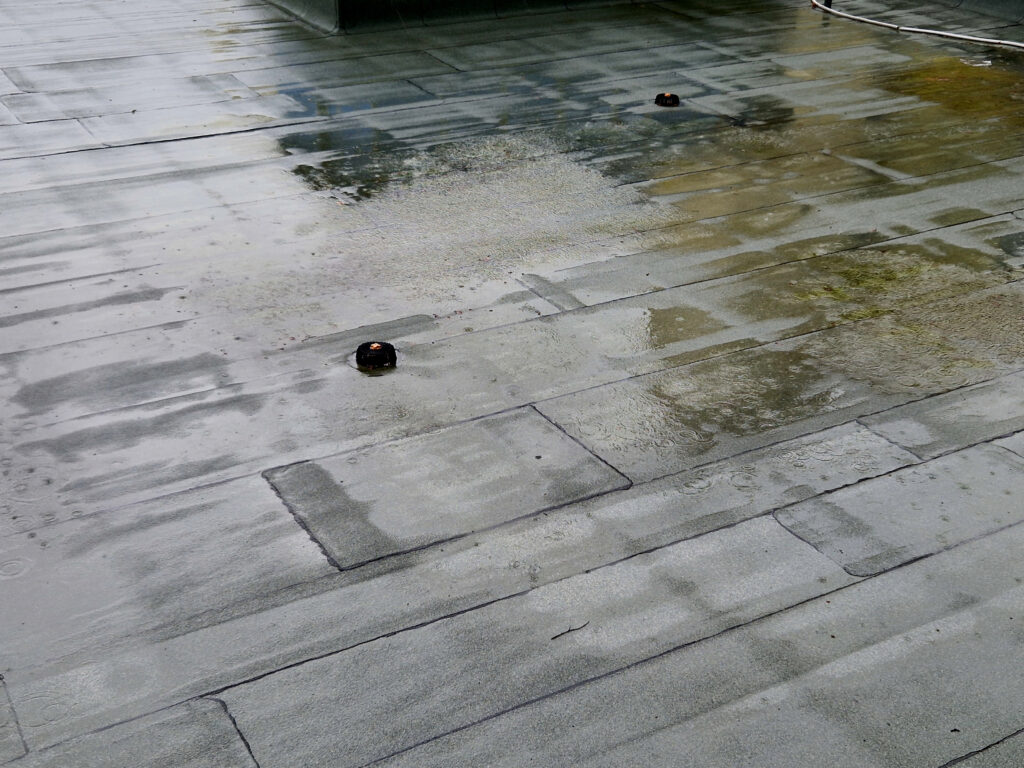
A roofing contractor will inspect the entire roof to evaluate its condition and identify all sources of water intrusion. This often includes a free roof inspection to determine the full scope of the issue.
Identifying the Root Cause
Surface damage is only part of the problem. A thorough inspection identifies underlying issues such as compromised roofing systems, structural concerns, or installation problems.
Recommending the Right Solution
Based on the roof’s condition, the contractor will recommend whether the situation requires targeted emergency roof repairs, a larger permanent repair, or in some cases a full roof replacement.
Completing the Repair
The final step is restoring the roof to full functionality. This may involve replacing damaged sections, sealing vulnerable areas, and ensuring the roof is protected against future leaks.
When to Call a Roofing Contractor
Temporary fixes are helpful, but professional repair is always necessary for a long-term solution.
- The leak continues after temporary repair
- There is visible or widespread roof damage
- Water damage is spreading inside the building
- You suspect structural issues or major failure
A professional roofing contractor ensures the repair is done correctly and prevents recurring issues.
Emergency Roof Leak Repair for Commercial vs Residential Roofs
The repair process can vary depending on the type of roof.
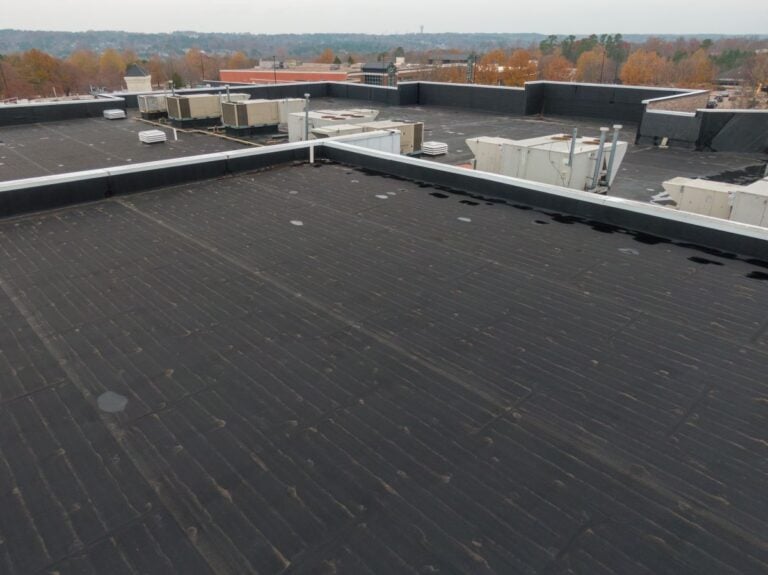
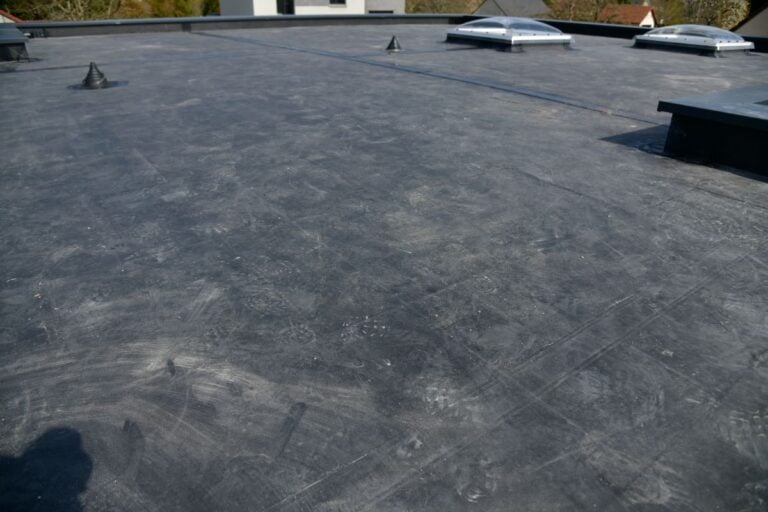
- Commercial roof systems: Often flat or low-slope, requiring specialized materials and repair techniques.
- Residential roof systems: Typically involve shingles or metal, allowing for more localized repairs.
- Access and safety: Larger commercial buildings may require additional safety measures.
Why Fast Action Matters
Delaying roof leak repair allows water to continue spreading throughout your building, increasing the risk of interior damage, mold growth, and structural deterioration. According to the U.S. Environmental Protection Agency, water-damaged areas must be dried within 24 to 48 hours to prevent mold growth, making immediate response to a roof leak one of the most critical steps a property owner can take.
Acting quickly helps limit the extent of the damage, reduces repair costs, and increases the chances that a long-term repair can solve the issue without requiring a full roof replacement. The sooner you respond, the more control you have over both the outcome and the overall expense.
Preventing Future Roof Leaks
Once your emergency roof leak repair is complete, preventative steps can help avoid future problems.
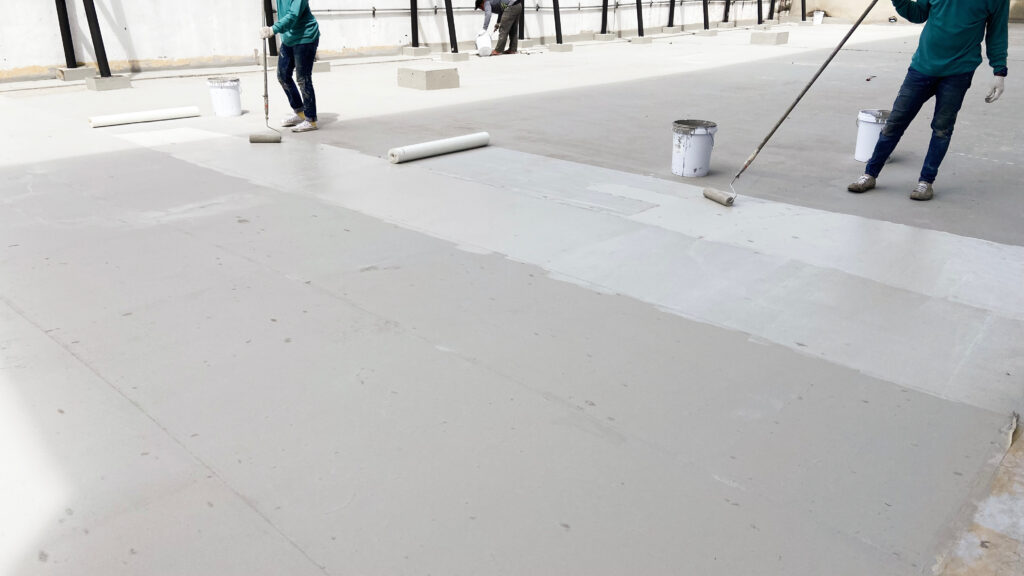
- Schedule routine inspections: Catch small issues early before they worsen
- Maintain gutters and drainage systems: Prevent water buildup on the roof
- Address damage quickly: Small problems can lead to major repairs if ignored
- Use quality materials: Durable roofing systems improve long-term performance
Trust Advanced Solutions for Emergency Roof Leak Repair
Advanced Solutions provides fast, reliable emergency roof leak repair services for both commercial and residential properties. Our experienced team responds quickly to protect your building and prevent further damage.
Whether you need immediate emergency roof repairs, temporary solutions, or a long-term permanent repair, we deliver expert service and lasting results. We’re from Southlake, TX and proudly serve commercial property owners nationwide. Contact Advanced Solutions today to schedule a free roof inspection and get your roof back to protecting your property.