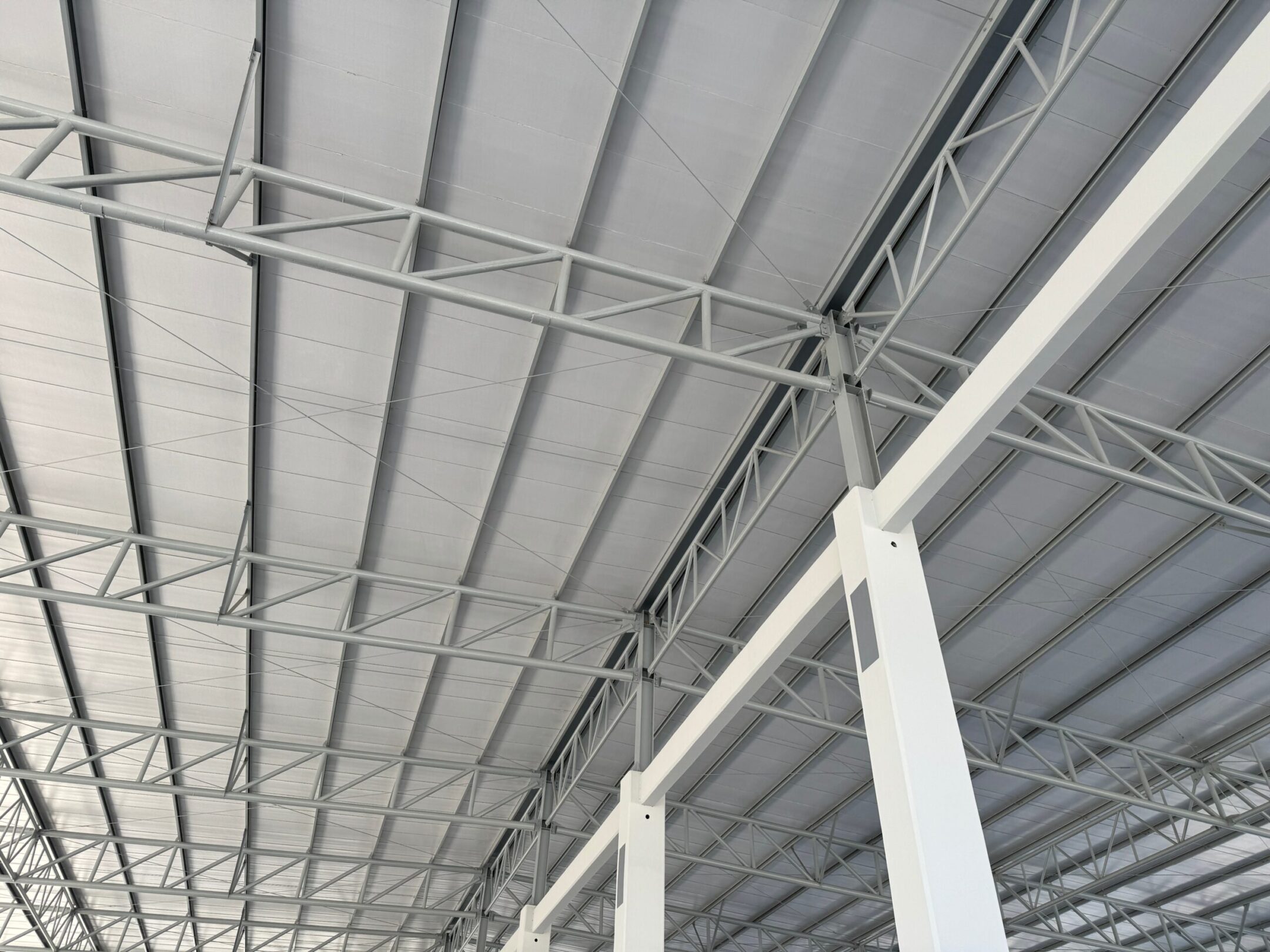
Featured Article
Commercial Roofing Systems Explained Simply
Understanding commercial roofing systems is essential for building owners who want to make informed decisions about their property. Within the commercial roofing industry, there are several systems and commercial roofing materials designed to meet different building needs, performance goals, and budgets. Taking the time to understand how each system works can help you avoid costly repairs, improve long-term performance, and ensure your investment is protected.
- What commercial roofing systems are and how they work
- The most common types of commercial roofing used today
- Key differences between materials and installation methods
- How to choose the right system for your building
- What to expect in terms of lifespan, maintenance, and performance
If your property in Murfreesboro is due for repairs, upgrades, or a full replacement, understanding your options can help you avoid costly repairs and select the most effective long-term solution.
What Are Commercial Roofing Systems?
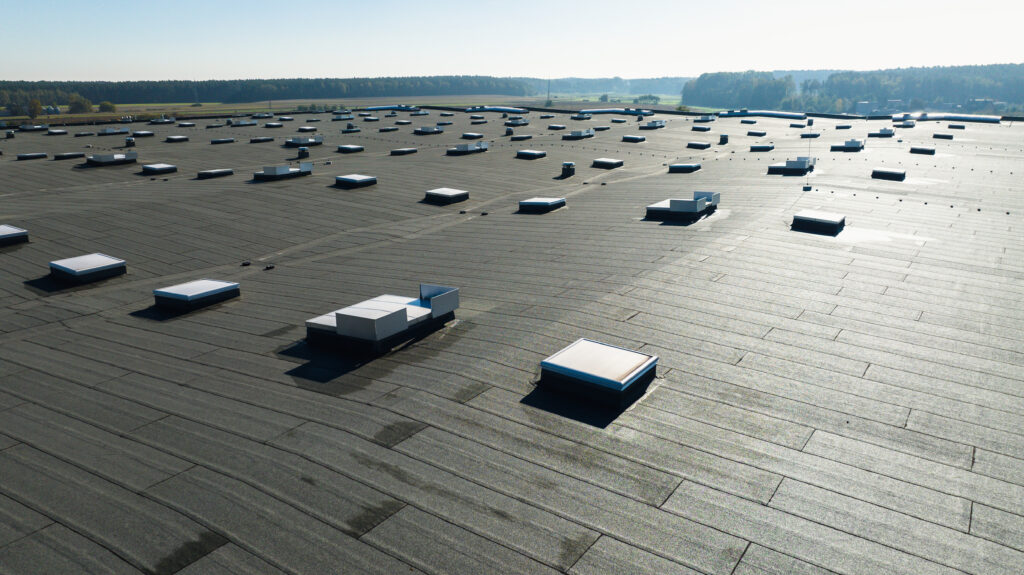
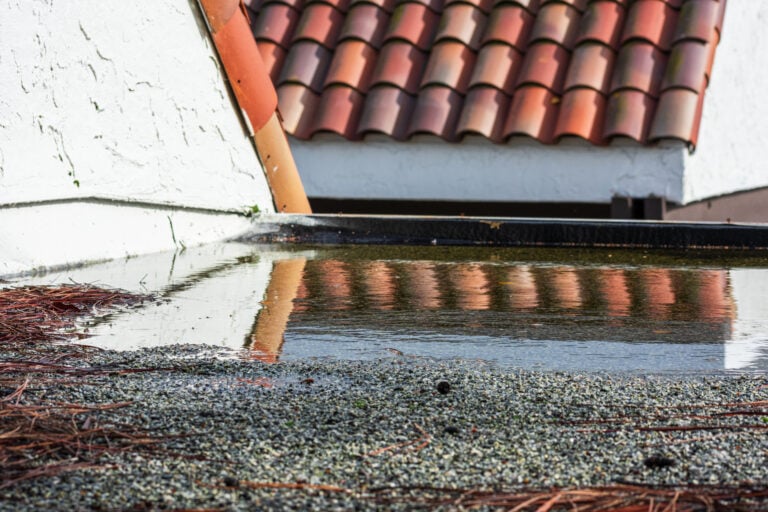
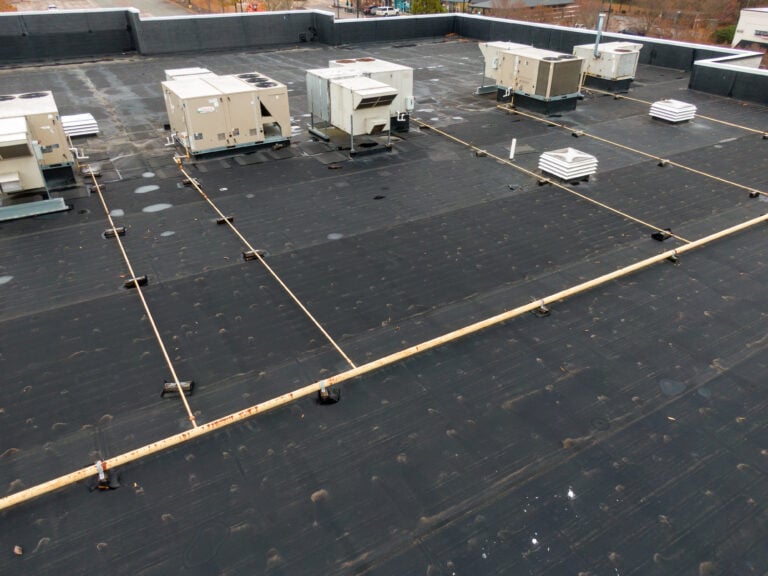
Commercial roofing systems are designed to protect buildings with flat or low slope roofing structures. Unlike residential roofs, these systems are engineered to cover large surface areas, support equipment, and handle foot traffic from maintenance crews.
Most systems are made up of multiple components that work together as a complete roof assembly, including insulation, waterproofing layers, and protective membranes. The right combination of commercial roofing materials and installation method plays a major role in overall performance, durability, and energy efficiency.
- Roof assembly: Includes insulation, membrane, and structural components working together
- Low slope roofing: Designed to efficiently manage water drainage on flat surfaces
- Durability needs: Built to withstand weather exposure and regular foot traffic
- Performance focus: Helps manage energy costs and protect interior spaces
5 Types of Commercial Roofing Systems
Choosing between different types of commercial roofing systems depends on your building structure, budget, and long-term goals. Each system offers unique advantages, and understanding how they function will help you make the right decision for both immediate needs and future maintenance planning.
1. Single Ply Roofing Systems
Single ply systems are among the most widely used commercial roofing systems for modern buildings, using a flexible membrane installed in a single layer across the roof surface. Options like TPO roofing, PVC roofing, and EPDM roofing are especially popular because they are lightweight, cost efficient, and highly resistant to weather, UV exposure, and chemical damage.
- Includes TPO roofing, PVC roofing, and EPDM roofing
- Easy to install and repair
- Suitable for large roof surfaces
2. Built-Up Roofing (BUR Systems)
BUR systems consist of multiple layers of bitumen and reinforcing materials, often incorporating asphalt to create a durable, waterproof barrier designed for long-term performance. As one of the oldest systems in the commercial roofing industry, BUR is known for its reliability and ability to withstand heavy foot traffic.
- Uses asphalt and layered materials for durability
- Multiple layers provide strong protection
- Performs well under heavy foot traffic
3. Modified Bitumen Roofing
Modified bitumen roofing is an evolution of BUR systems that combines layered construction with enhanced flexibility to handle temperature changes and physical stress. This system is ideal for buildings that need durability along with adaptability, offering strong resistance to weather and consistent performance.
- Reinforced layers increase durability
- Handles expansion and contraction well
- Suitable for various climates
4. Metal Roofing Systems
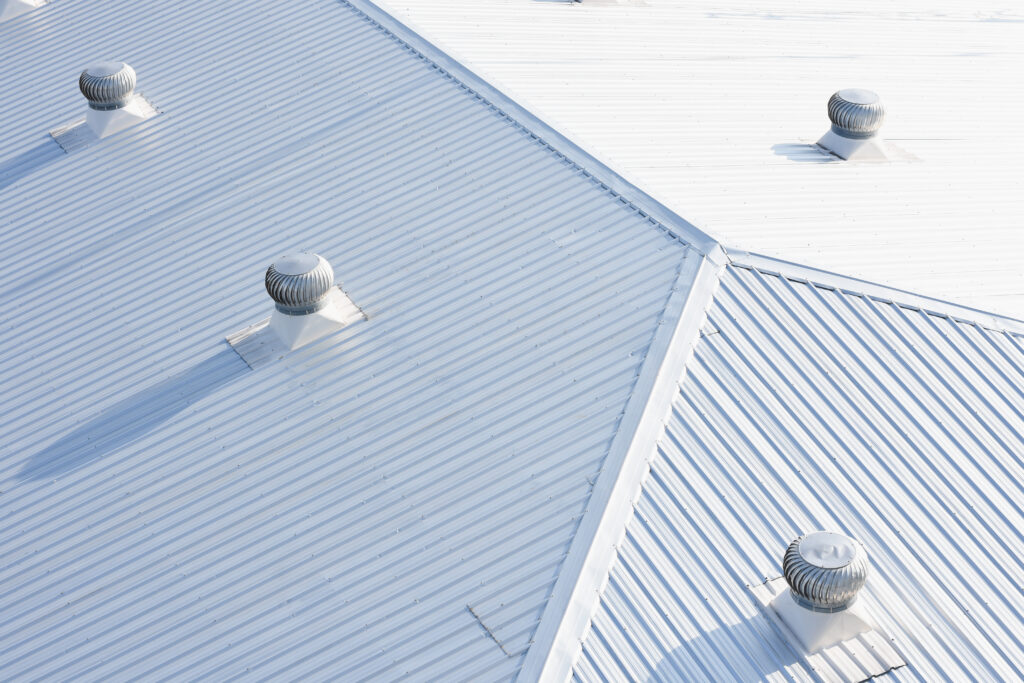
Metal roofing systems are commonly used on commercial buildings with steeper slopes or specific structural designs, providing exceptional longevity and resistance to harsh weather conditions. These systems are also valued for their ability to improve overall energy efficiency by reflecting heat away from the building.
- Long lifespan with minimal maintenance
- Excellent durability and weather resistance
- Supports improved energy efficiency
5. Roof Coating Systems
Roof coating systems, including elastomeric roof coatings, are applied over existing roofing materials to extend their lifespan and improve performance. These systems are often used as a cost efficient solution for aging roofs that are still structurally sound, helping delay the need for a full replacement.
- Extends the life of existing roofing systems
- Helps reduce maintenance needs
- Improves overall performance
How to Choose the Right Commercial Roofing System
Selecting the right system depends on several factors, including your building type, budget, and long-term goals. Not all commercial roofing systems are suitable for every structure. Building owners should consider both immediate needs and future maintenance requirements when making a decision.
- Building design: Roof slope and structure impact system compatibility
- Budget considerations: Upfront costs vs long-term savings
- Maintenance requirements: Some systems require more upkeep than others
- Energy performance: Impacts long-term energy costs
Working with a licensed roofing contractor ensures you choose a system that fits your building and avoids unnecessary issues down the line.
What to Expect From Installation
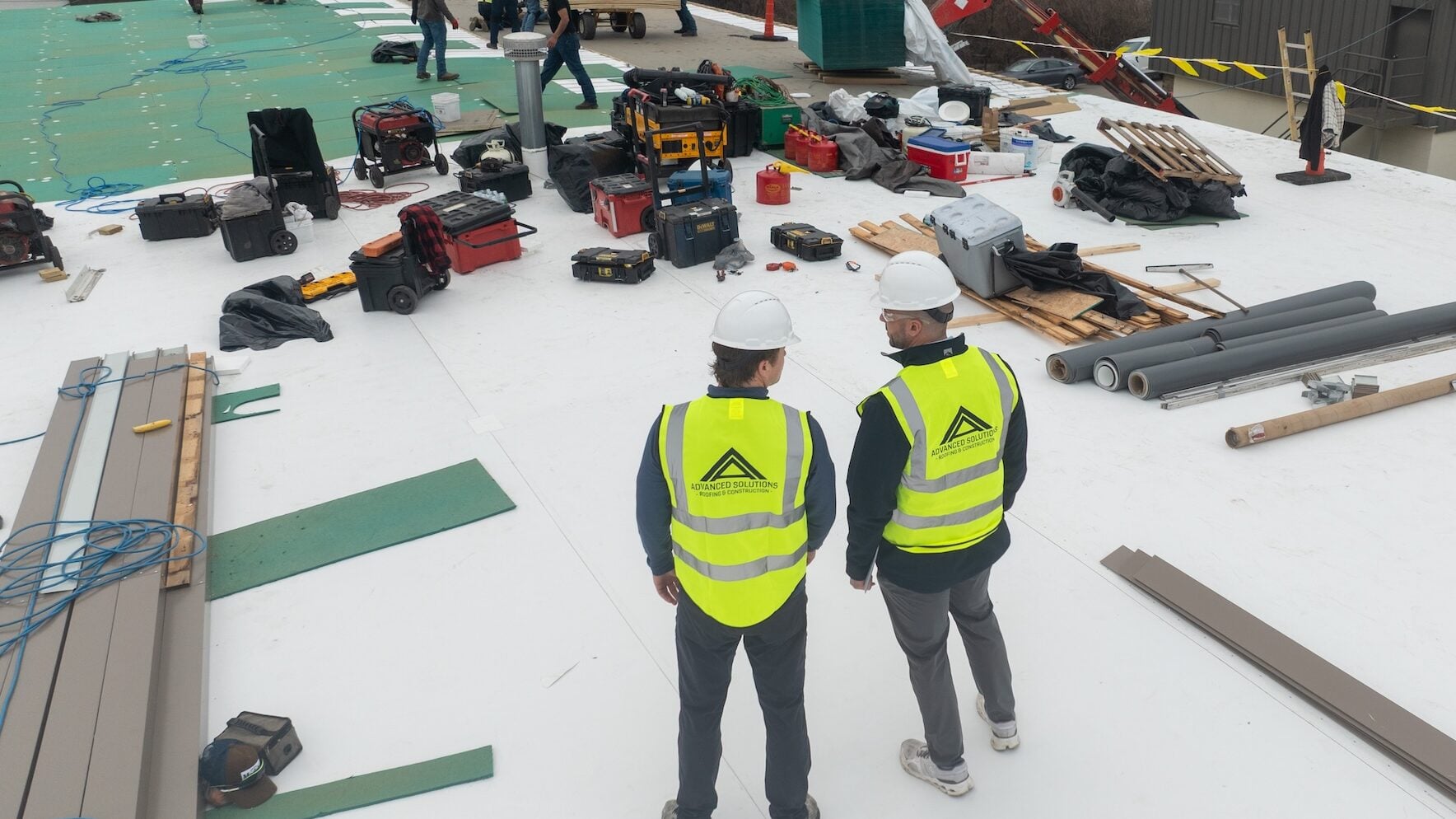
The installation process varies depending on the type of commercial roofing system selected. Each system requires a specific installation method to ensure proper performance and longevity. A professional contractor will guide you through each phase, from preparation to final inspection.
- Removal of existing roofing materials if needed
- Inspection of the roof structure and underlying components
- Installation of insulation and membrane layers
- Final sealing and quality inspection
Proper installation is critical, as even the best materials can fail if not installed correctly.
Maintenance and Long-Term Performance
All commercial roofing systems require ongoing maintenance to perform at their best. Regular inspections and preventative care help avoid frequent repairs and extend the life of the system. A proactive approach ensures consistent performance and reduces unexpected downtime.
- Schedule routine inspections at least twice per year
- Address minor issues before they become major problems
- Monitor areas with heavy foot traffic
- Keep drainage systems clear and functional
Trust Advanced Solutions for Commercial Roofing Systems
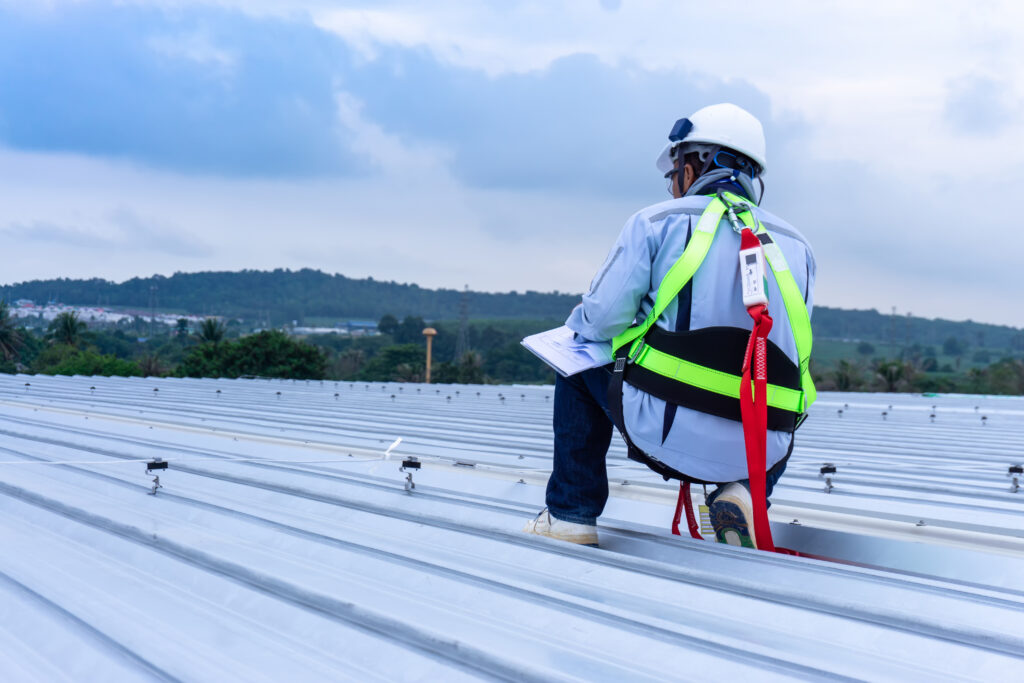
Understanding commercial roofing systems is the first step toward protecting your property and making a smart investment. Advanced Solutions provides expert guidance and professional installation for a wide range of commercial roofing systems.
As a veteran-owned company with deep experience in the commercial roofing industry, we help building owners choose the right system, avoid costly mistakes, and ensure long-term performance. If you are considering a commercial flat roof replacement or need help evaluating your current system, contact Advanced Solutions today for a free inspection and expert consultation. Our team is headquartered in Southlake, TX and provides services nationwide. Contact us for a free estimate.