Featured Article
Commercial Roof Types: Choosing the Right System
Commercial roof types play a major role in how well your building performs over time. From durability and energy efficiency to cost and maintenance, the type of roofing system you choose directly impacts commercial buildings. With many types of commercial roofing available, building owners need to understand how different commercial roofing systems perform in real-world conditions. Choosing the right roofing system helps ensure long-term protection, efficiency, and value.
- System variety: Multiple types of commercial roofing are designed for different building structures and uses.
- Performance differences: Each roofing material offers unique benefits in durability, weather resistance, and lifespan.
- Cost considerations: Upfront cost and long-term value vary by roofing system.
- Maintenance needs: Some systems require more ongoing care than others.
Why Choosing the Right Commercial Roof Matters
Selecting the right roofing system is not just about installation—it affects long-term performance, repair frequency, and overall cost. A poorly matched system can lead to leaks, premature failure, and costly repairs, while the right choice improves protection and extends your roof’s lifespan. According to SPRI, the single-ply roofing industry collectively protects over 50 billion square feet of the nation’s critical and commercial infrastructure — a figure that underscores just how consequential the right roofing system choice truly is for building owners.
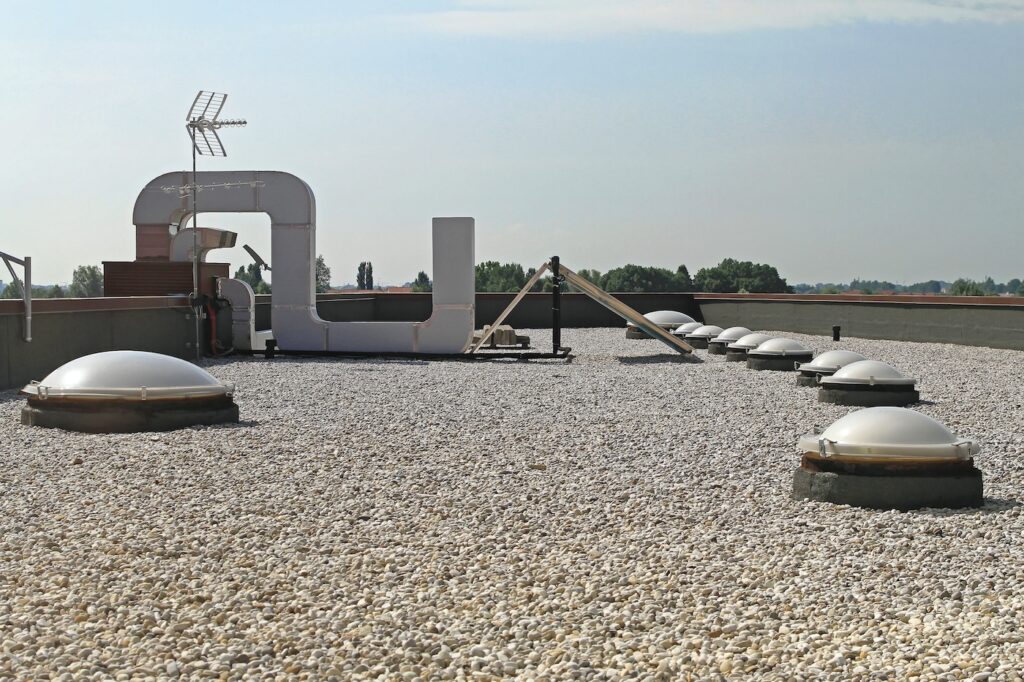
Factors like building design, whether you have commercial flat roofs or steep slope roofs, weather exposure, and budget all play a role. The right roofing material also ensures compatibility with your existing roof if upgrades or overlays are being considered.
8 Common Commercial Roof Types
There are several types of commercial roofing systems available, each designed for specific applications and performance needs.
1. TPO Roofing
TPO (thermoplastic polyolefin) is one of the most widely used options for commercial flat roofs and low-slope applications.
- Energy efficiency: Reflective surface reduces heat absorption
- Cost-effective: Lower installation cost compared to some systems
- UV resistance: Performs well in sunny environments
- Lightweight material: Easier to install on large commercial buildings
2. EPDM Roofing
EPDM (ethylene propylene diene monomer) is a durable rubber roofing system commonly used on flat roofs.
- Flexibility: Performs well in extreme temperature changes
- Durability: Resistant to weathering and impact
- Long lifespan: Often lasts 20–30 years with proper maintenance
- Low maintenance: Requires minimal upkeep compared to other systems
3. PVC Roofing
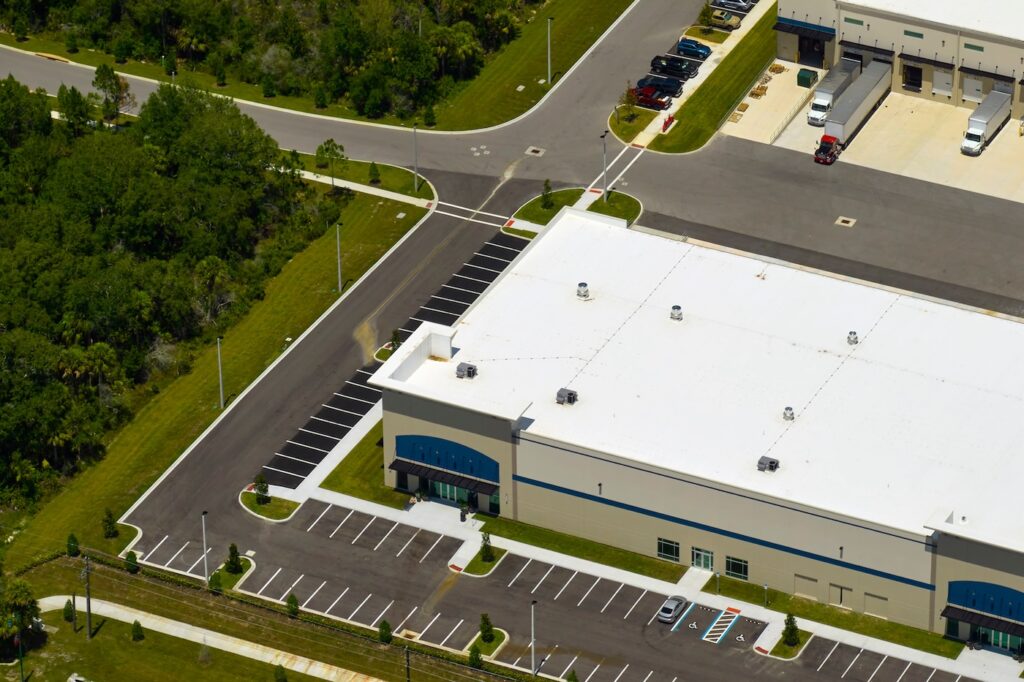
PVC (polyvinyl chloride) roofing is known for its strength and resistance to chemicals and moisture.
- Water resistance: Highly effective at preventing leaks
- Chemical resistance: Ideal for restaurants or industrial buildings
- Durability: Strong seams and long-lasting performance
- Energy efficiency: Reflective properties reduce cooling costs
4. Modified Bitumen Roofing
Modified bitumen is an asphalt-based roofing system designed for commercial flat roofs and low-slope applications.
- Layered protection: Multiple layers increase durability
- Flexibility: Adapts to temperature changes
- Waterproofing: Strong resistance to leaks
- Compatibility: Can sometimes be applied over an existing roof
5. Built-Up Roofing (BUR)
Built-up roofing is a traditional roofing system made of multiple layers of bitumen and reinforcing fabrics.
- Multi-layer durability: Provides strong protection against weather
- Redundancy: Multiple layers reduce risk of leaks
- Heavy-duty performance: Suitable for high-traffic roofs
- Long lifespan: Proven reliability over time
6. Metal Roofing Systems
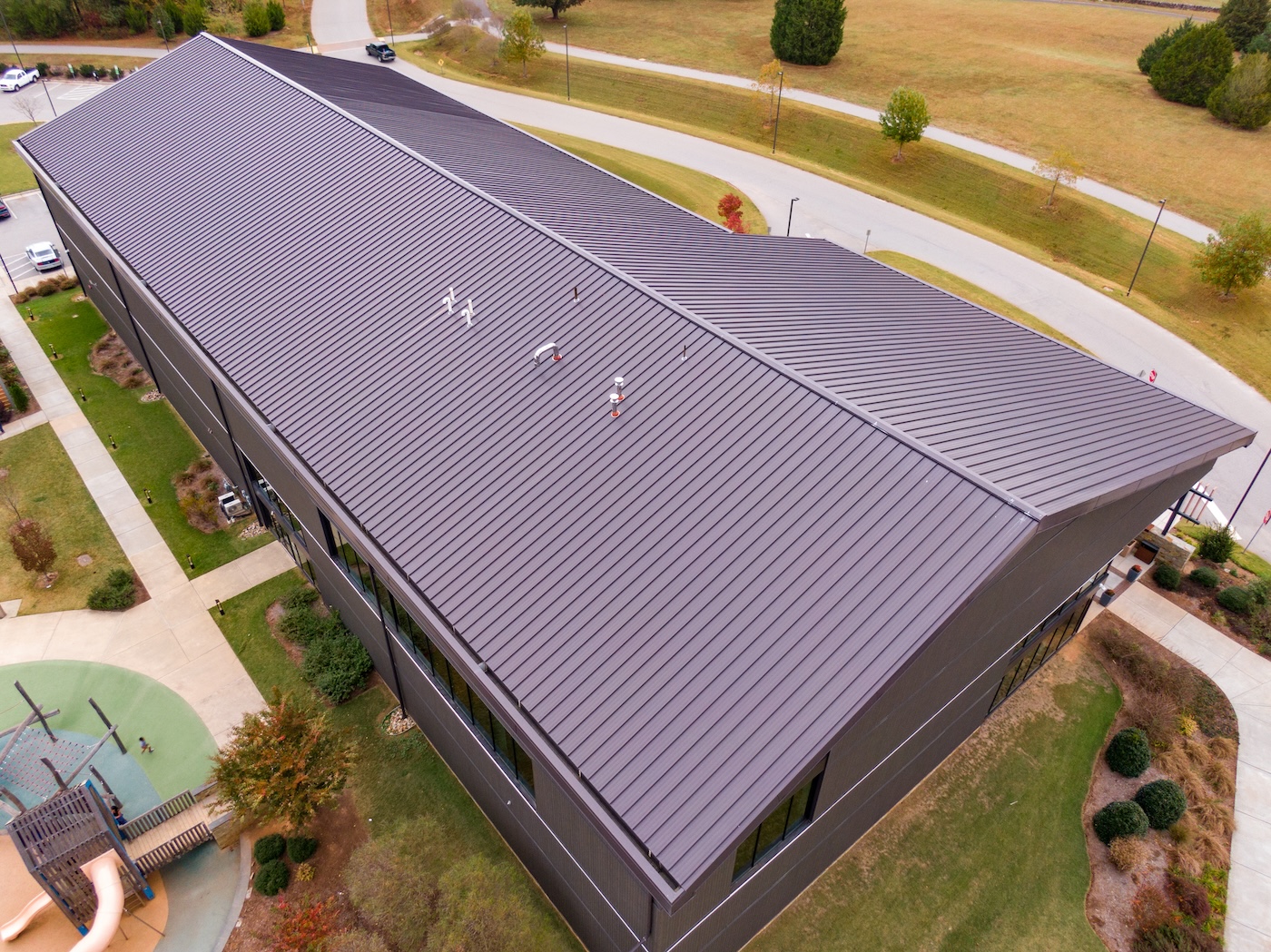
Metal roofing is one of the most durable options among types of commercial roofing and is used on both low-slope and steep slope roofs.
- Longevity: Can last 40–70 years
- Durability: Resistant to weather, fire, and impact
- Energy efficiency: Reflects heat and reduces cooling costs
- Low maintenance: Requires less frequent repairs
Metal roofing systems are especially popular for warehouses, industrial buildings, and facilities where long-term performance is a priority.
7. Spray Foam Roofing (SPF)
Spray polyurethane foam creates a seamless roofing system applied directly to the surface.
- Seamless protection: Eliminates leak-prone seams
- Insulation value: Improves energy efficiency
- Lightweight: Adds minimal weight to the structure
- Versatility: Can be applied over an existing roof with proper preparation
8. Single Ply Roofing Systems
Single ply systems, including TPO, PVC, and EPDM, are widely used across commercial buildings due to their efficiency and ease of installation.
- Lightweight design: Ideal for large commercial flat roofs
- Flexible installation: Can be mechanically attached or fully adhered
- Energy efficiency: Reflective options help reduce cooling costs
- Cost-effective: Lower material and labor costs compared to some multi-layer systems
What to Consider When Choosing a Commercial Roof
Choosing the right roofing system depends on several key factors.
- Roof slope: Commercial flat roofs and steep slope roofs require different materials and systems.
- Climate: Weather conditions impact performance, durability, and heat absorption.
- Budget: Consider both upfront costs and long-term maintenance.
- Building use: Different commercial buildings have different roofing needs.
- Maintenance expectations: Some systems require more upkeep or benefit from roof coatings for added protection.
Cost Comparison of Commercial Roof Types
| Roofing System | Estimated Cost Per Sq. Ft. | Lifespan |
| TPO | $5–$10 | 20–30 years |
| EPDM | $4–$9 | 20–30 years |
| PVC | $6–$12 | 20–30 years |
| Modified Bitumen | $4–$10 | 20–30 years |
| Built-Up Roofing | $5–$12 | 20–30 years |
| Metal Roofing | $8–$20 | 40–70 years |
| Spray Foam | $6–$12 | 20–30 years |
Maintenance and Longevity
Regular maintenance is essential for all commercial roofing systems. Inspections should be performed at least twice a year and after major weather events to catch issues early and prevent costly repairs.
Preventative maintenance includes cleaning drainage systems, checking seams and flashing, and applying roof coatings when needed to extend the life of the roofing material. Proper care helps building owners maximize performance and avoid unexpected issues.
When to Repair vs Replace
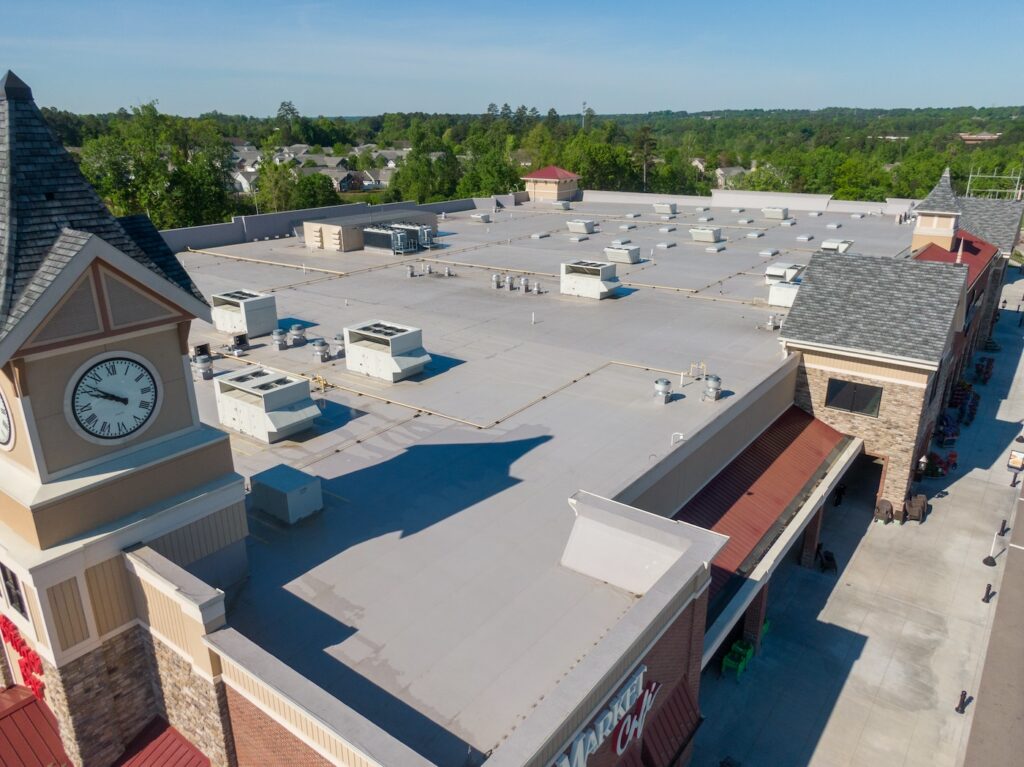
Not all roofing issues require a full replacement. In many cases, repairs or restoration can extend the life of your roof.
- Repair: Best for localized damage
- Restoration: Ideal for aging roofs that are still structurally sound
- Replacement: Necessary when damage is widespread or the roof has reached the end of its lifespan
A professional roofing contractor can evaluate your roof’s condition and recommend the best solution.
Why Work with a Professional Roofing Contractor
Choosing the right commercial roofing system requires experience and knowledge of different materials and installation methods. A qualified roofing contractor can assess your building, recommend the best roofing material, and ensure proper installation.
Professional installation is critical to maximizing performance, preventing issues, and protecting your investment.
Trust Advanced Solutions for Commercial Roofing
Advanced Solutions provides expert guidance and installation for all commercial roof types. Our team helps building owners choose the right system based on performance, budget, and long-term value.
Whether you need a new roof, repairs, or a full replacement, we deliver reliable solutions that protect your building and extend your roof’s lifespan. Contact Advanced Solutions today to schedule your consultation. Based in Southlake, TX and serving commercial property owners nationwide.