Featured Article
Reroofing Before Winter: Is There Still Time in 2026?
If your roof is overdue for replacement and the calendar says late October, you are probably wondering whether the window has already closed. The answer for many buildings is that reroofing is still possible this season, but it depends on temperatures, weather, materials, and how urgently the roof needs attention. Knowing what controls the schedule will help you decide whether to move forward now or protect the roof until spring, and a conversation about commercial roof replacement can give you a clear answer for your specific building.
In this guide, we will cover:
- Whether it is too late to reroof in 2026
- Five factors that decide if a winter reroof makes sense
- When to move ahead now and when waiting is smarter
- Temporary strategies that protect a roof until spring
- How reroofing compares with a full roof replacement, plus answers to common questions
Is It Too Late to Reroof in 2026?
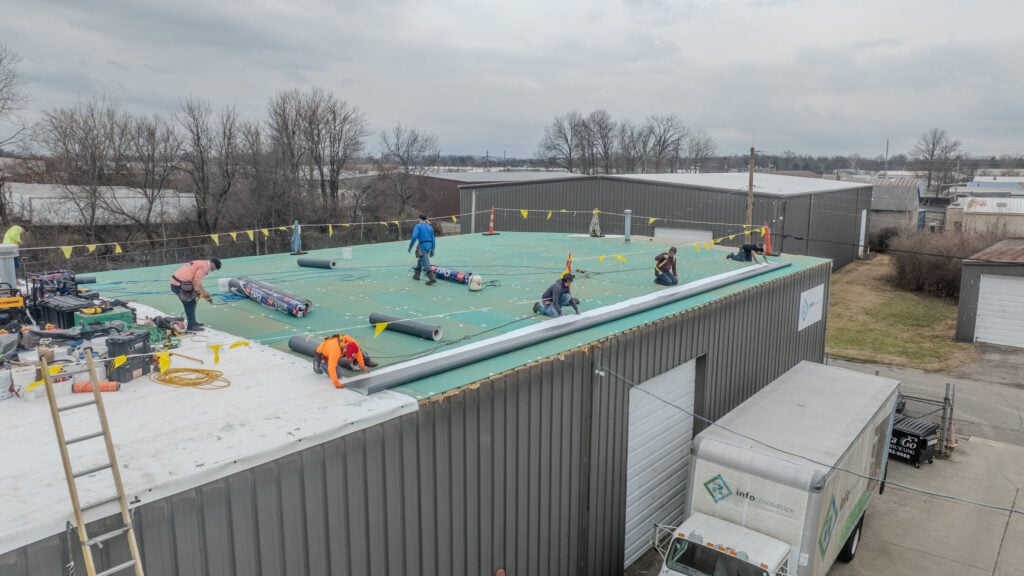
Not necessarily. Roofing does not stop on a fixed date, and many reroofing and roof replacement projects are completed in late fall and even winter when conditions allow. The real limits come from temperature, moisture, and the materials being installed, which means the decision has more to do with weather windows than with the calendar.
Industry guidance explains why temperature matters. The Asphalt Roofing Manufacturers Association notes that cold temperatures can stiffen roofing materials and slow adhesive curing, and the typical minimum application temperature for modified bitumen systems falls between 40 and 50 degrees Fahrenheit, with specific limits set by each manufacturer.
Buildings across Nashville, TN, usually see a mix of mild stretches and sudden cold snaps through November and December, so some days remain workable for roofing even as winter approaches. We’re proud to serve home and business owners in Nashville, TN, and nearby communities with reroofing services and more.
The Real Cutoff Is Conditions, Not the Calendar
A roof installation depends on dry surfaces, workable temperatures, and materials that bond properly, and those conditions can appear in any month. A string of dry days in the forties and fifties can support many roofing systems, while a wet or freezing week can stop work entirely. That is why experienced contractors watch forecasts closely, sequence work in manageable sections, and keep the building watertight at the end of every day. Choosing the right roof covering also matters, because some products tolerate cold better than others. When the weather cooperates and the materials suit the conditions, a late season reroof can be completed correctly, giving the building a new roof that protects it through winter.
5 Factors That Decide Whether a Winter Reroof Makes Sense
These five factors determine whether moving ahead now is wise or whether the project should wait for spring.
1. Temperature and Material Limits
Every roofing product has a minimum application temperature, and installing below it can compromise adhesion and sealing. The limits vary by system, so the material choice shapes how much cold the project can handle.
- Adhesives and sealants: These thicken and cure more slowly in cold weather, which can weaken bonds if conditions are not right.
- Membrane flexibility: Sheets stiffen in the cold, making seams and details harder to install correctly.
2. Weather Windows and Moisture
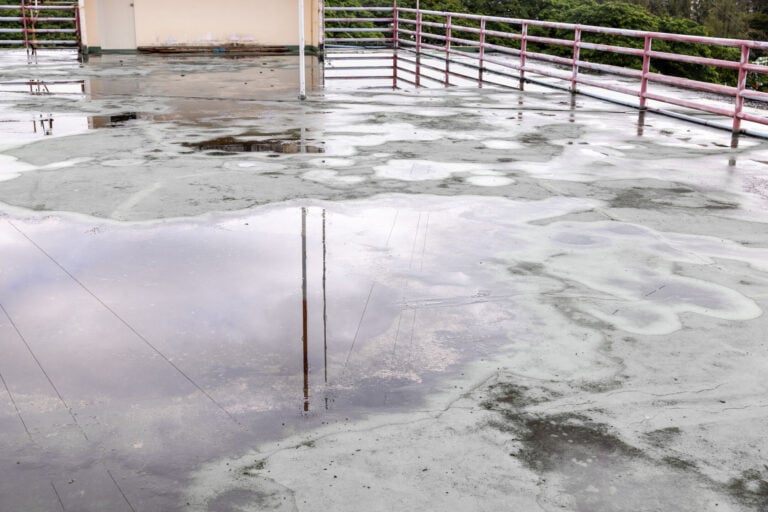
Rain, snow, frost, and dew can all interfere with a roofing project. Surfaces must be dry for roofing materials to bond, and trapped moisture can cause problems that appear months later.
- Forecast planning: Crews schedule work around dry stretches and avoid starting sections they cannot close in.
- Surface checks: Frost and dew are removed or avoided so materials adhere to a dry, clean substrate.
3. Roof Condition and Urgency
A roof that is actively leaking or showing structural problems may justify moving ahead even in less than ideal conditions. A roof with remaining life and only minor issues may be better protected and replaced in spring.
- Active leaks: Ongoing water entry can damage insulation, the roof deck, and interiors quickly.
- Remaining service life: A stable roof can often be maintained safely until warmer weather.
4. System and Material Choice
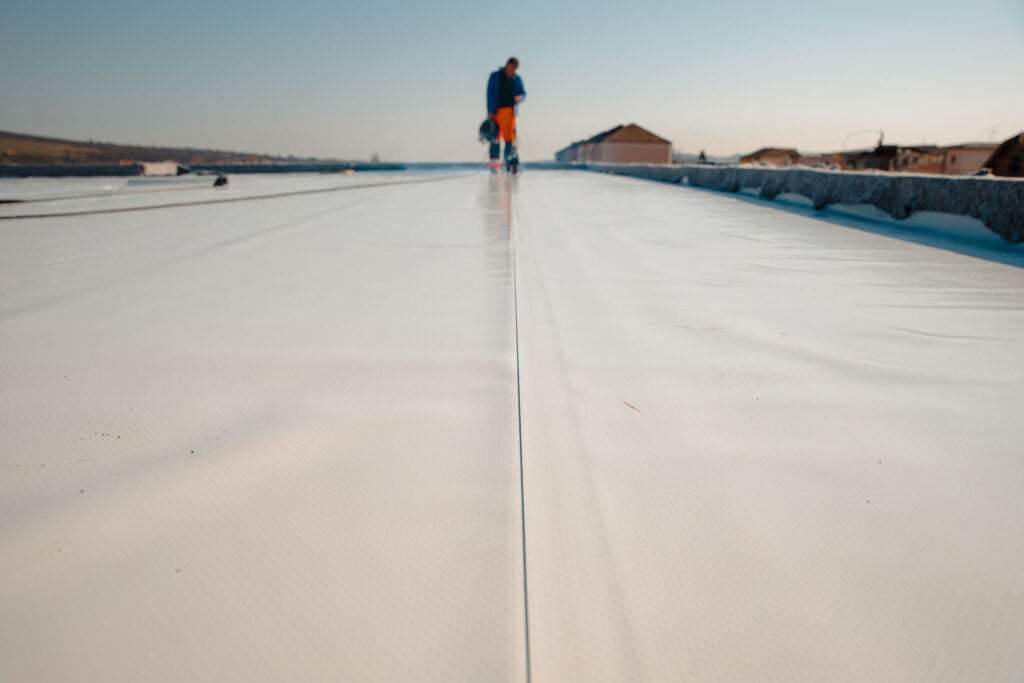
Some roofing systems are better suited to cold weather installation than others. Mechanically fastened and certain self adhered products tend to handle lower temperatures more easily than systems that rely on temperature sensitive adhesives.
- Cold tolerant products: Manufacturers publish minimum temperatures, and some systems are designed for colder conditions.
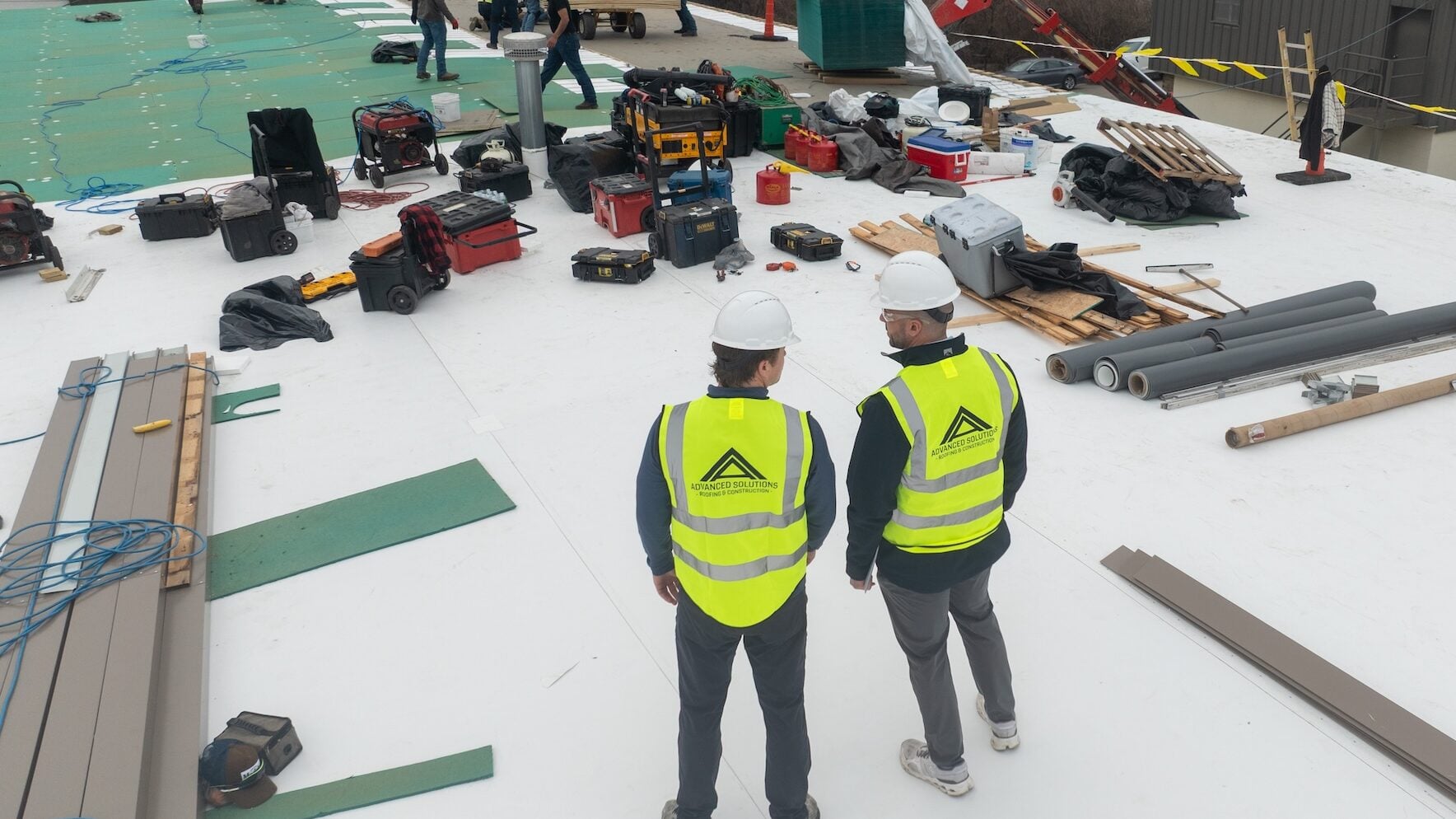
- Contractor experience: Crews familiar with cold weather methods know how to adjust storage, handling, and installation.
5. Scheduling, Permits, and Lead Times
Late season calendars fill quickly, and material lead times can stretch. Getting an inspection, scope, and permit started early gives you the best chance of securing a workable window.
- Crew availability: Contractors book up as winter approaches, so delays can push a project into spring.
- Permits and approvals: Paperwork and insurance approvals can add time before work can begin.
Reroofing Over Existing Shingles Versus Complete Roof Replacement
Property owners often use the terms interchangeably, but reroofing and a full tear off are different approaches with different costs and limits. Choosing between them affects the schedule, the budget, and how long the roof will last, so it helps to understand both options before deciding how much can be done before winter.
- Reroofing over the existing roof: Reroofing involves installing new shingles over existing ones, which saves tear off time and avoids disposal costs, and it works best with asphalt shingles when the existing roof layer is flat, dry, and sound.
- Complete roof replacement: A full roof replacement removes the existing shingles and underlayment down to the roof deck, which lets crews inspect the roof structure, repair damaged decking, and install a completely new roofing system. Roof replacement tears off the old covering, so it takes longer but resets the entire assembly.
- Layer limits: Building codes typically allow a maximum of two roofing layers, influencing reroofing decisions, so a roof that already has a layer of shingles over an older layer usually needs a complete roof replacement.
- Lifespan and warranty: Reroofing can extend the lifespan of a roof by an additional 15 to 25 years depending on materials, and it can provide stronger warranties on materials and workmanship than roofing repairs.
- Value and appearance: A new roof enhances curb appeal and can significantly increase property value when selling a home, and the same improvement helps commercial properties heading to market.
When to Reroof Now and When to Wait
Use this guide to weigh the decision for your building.
| Situation | Reroof Now? | Why |
| Active leaks and wet insulation | Often yes | Ongoing water damage grows costlier each week |
| Roof near end of life, no active leaks | Possibly | A repair and monitoring plan may bridge to spring |
| Long cold or wet forecast ahead | Usually wait | Materials may not bond or cure correctly |
| Cold tolerant system available | Often yes | Product choice can allow safe installation |
| Building has a spring budget cycle | Possibly wait | Temporary protection can buy time |
Smart Winter Strategies If You Cannot Reroof Yet
If conditions or budget push the project to spring, a few steps keep the roof protected in the meantime.
- Targeted repairs: Fix known leaks, flashing failures, and open seams so water stays out through winter.
- Drainage maintenance: Clear drains and gutters before ice and snow arrive to prevent ponding and backups.
- Roof coating options: On roofs with remaining life, a coating can seal surface problems and extend service.
- Scheduled inspections: Check the roof after major storms to catch new damage early.
- Spring planning: Complete the scope, materials selection, and scheduling now so work can start as soon as weather allows.
Common FAQs About Reroofing Before Winter
Property owners weighing a winter project tend to ask similar questions. Here are the ones we hear most often.
Can a roof be replaced in winter?
Yes, when temperatures and moisture allow and the right materials are used. Contractors follow manufacturer limits and weather forecasts to install the roof correctly.
What temperature is too cold for roofing?
It depends on the product. Many systems specify minimum application temperatures around 40 to 50 degrees Fahrenheit, while some cold tolerant products work at lower temperatures. Always follow the manufacturer’s instructions.
Is it better to wait until spring to reroof?
If the roof is stable, waiting can be reasonable. If it is leaking or failing, delaying can cost more in interior damage than a carefully managed winter project.
Will a winter installation affect my warranty?
It can if the installation does not follow manufacturer cold weather requirements. Reroofing can provide stronger warranties on materials and workmanship than roofing repairs, but only when the contractor documents conditions and follows those guidelines.
How can I protect my roof if I decide to wait?
Complete repairs for known problems, clear drains, and schedule inspections after storms. A written plan for spring gives you a smooth path to replacement.
Advanced Solutions: Reroofing Decisions Made With the Weather in Mind
Deciding whether to reroof now or in spring should be based on conditions, not guesswork. Advanced Solutions has helped property owners across Texas, Missouri, Kentucky, Tennessee, and Georgia evaluate roofs, choose the right system, and schedule work for the best available window, with veteran led crews who give straight answers about timing.
If you are weighing a roof replacement before winter, reach out to plan your reroofing project and let our team tell you whether the time is right or how to protect your roof until it is.