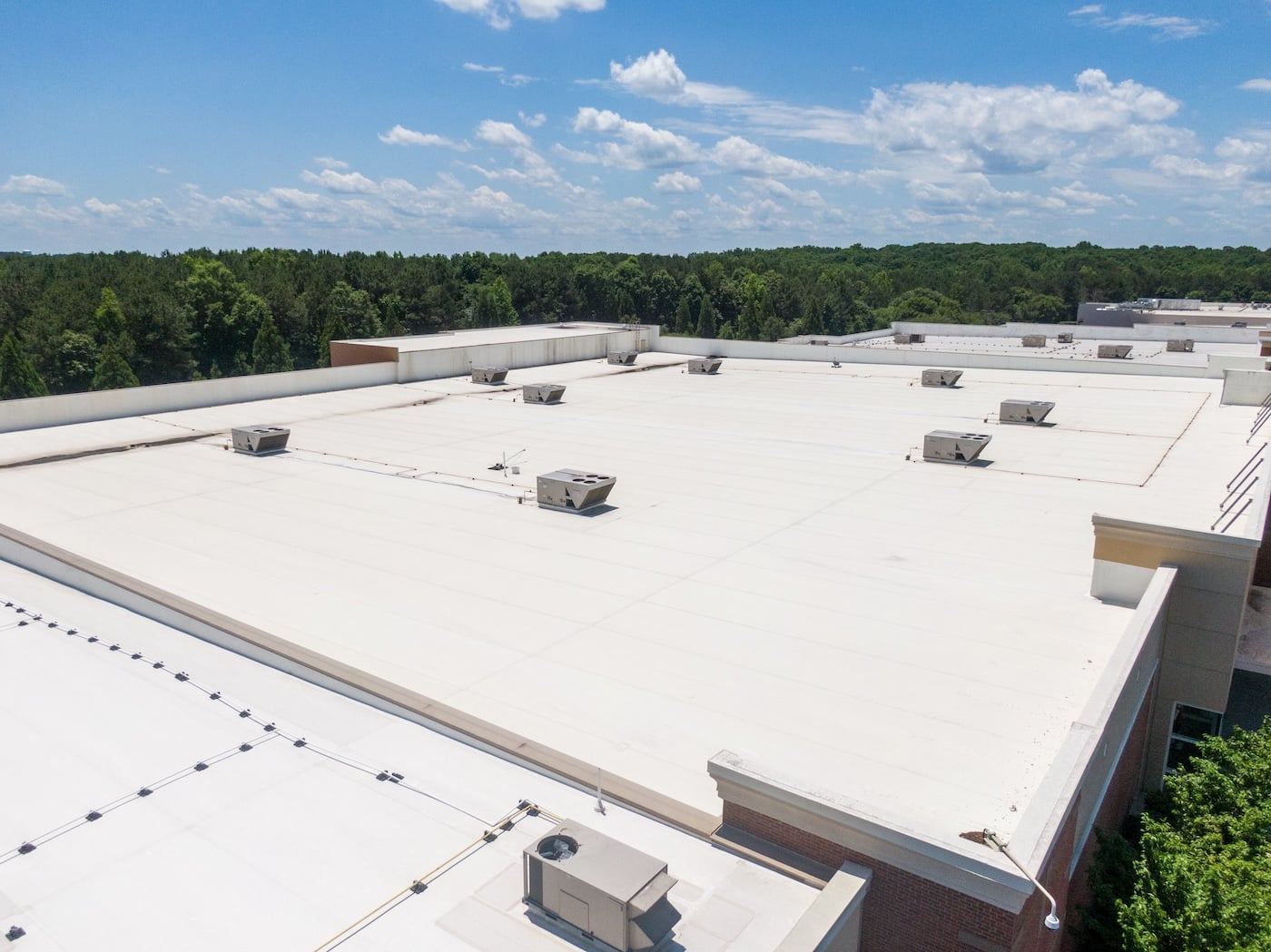
Featured Article
PVC Roofing: Strength and Commercial Uses
When a commercial property deals with grease, chemical exposure, or constant rooftop traffic, PVC roofing tends to come up early in the conversation. Polyvinyl chloride membranes have built a reputation as one of the toughest single-ply options on the market, and that reputation is earned through real performance differences rather than marketing alone. Before deciding on a low slope commercial roof system, it is worth understanding exactly what sets PVC apart and where it tends to outperform other membrane types.
In this guide, we will cover:
- What PVC roofing membranes are made of and how they perform
- The commercial property types where PVC is the strongest fit
- How PVC compares to TPO and EPDM on key performance factors
- What installation and maintenance typically involve
- Common questions property owners ask before choosing PVC
What Makes PVC Roofing Different
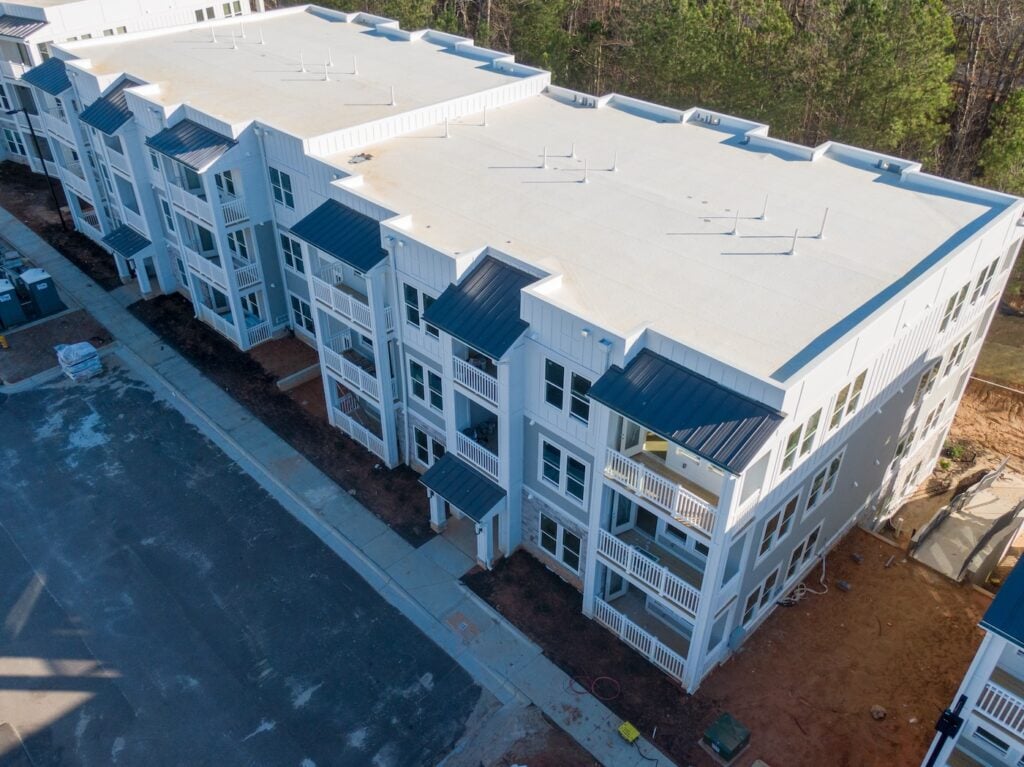
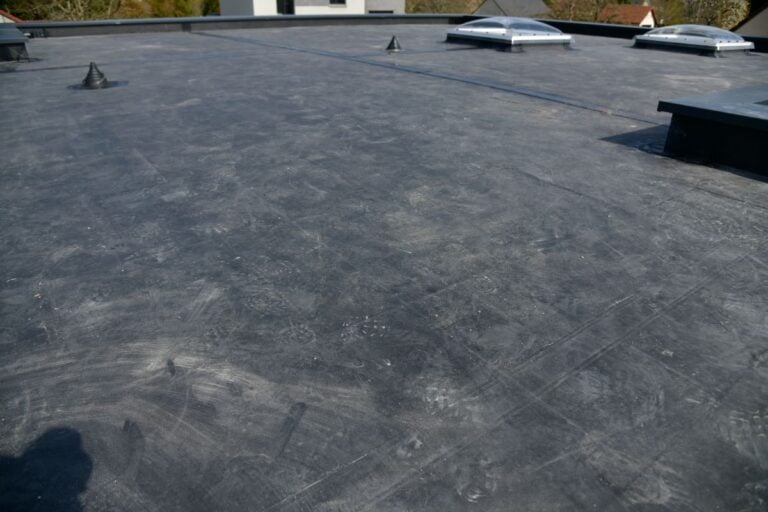
PVC roofing membranes are manufactured from polyvinyl chloride resin combined with plasticizers, stabilizers, and a polyester reinforced fabric layer, then heat welded at the seams to create a fully watertight surface. That heat welded seam is one of the biggest reasons PVC holds up so well over time, since it creates a stronger bond than the adhesive based seams used on many other membrane types. Building owners evaluating new construction or a roof replacement often choose PVC specifically because of how well it bonds to a properly prepared roof substrate, regardless of whether that substrate is concrete, metal, or wood decking.
Properties across Nashville, Tennessee and the surrounding region deal with humid summers, frequent storms, and wide temperature swings, all of which test a roofing membrane’s long-term durability. We’re proud to serve home and business owners in Nashville, Tennessee and nearby communities with commercial roofing services and more.
Built for Chemical and Grease Resistance
One of the clearest advantages of PVC roofing is its excellent resistance to chemicals, oils, and grease, which makes it a frequent choice for restaurants, manufacturing facilities, and properties near kitchen exhaust systems. Where other single-ply membranes can soften or stain when exposed to grease over time, PVC generally holds its physical properties and appearance far longer under the same conditions, which keeps maintenance costs lower across the life of the roof. It is worth noting that PVC is not compatible with asphalt based products, so any transition details or flashing materials need to be selected carefully to maintain full protection against water intrusion.
7 Commercial Uses for PVC Roofing
PVC roofing shows up across a wide range of commercial property types because of how well it performs under demanding conditions. Here are the property types where it tends to deliver the most value.
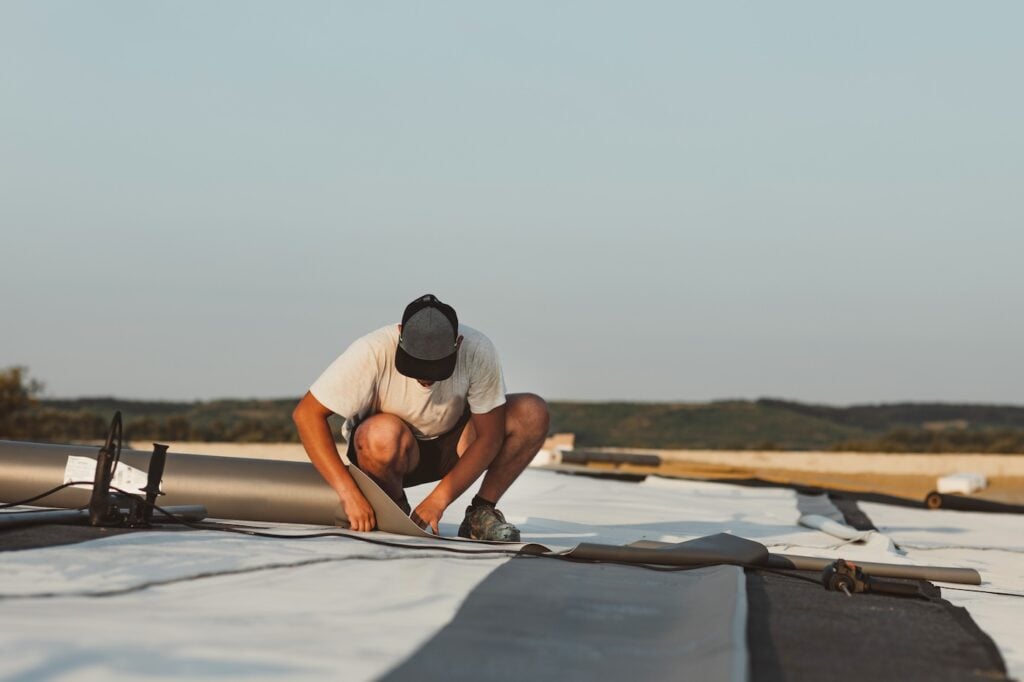
- Restaurants and food service buildings: Grease and oil resistance makes PVC a natural fit for properties with kitchen exhaust exposure.
- Manufacturing and industrial facilities: Chemical resistance helps PVC stand up to harsh airborne contaminants common in industrial settings.
- Retail strip malls: Long service life and low maintenance needs make PVC a cost-effective option for multi-tenant retail buildings.
- Schools and churches: Fire resistant properties and proven durability make PVC a practical choice for community buildings with heavy public use.
- Office buildings: Reflective white membranes help reduce cooling costs in buildings with significant rooftop HVAC equipment.
- Warehouses and distribution centers: Puncture resistance holds up well against the rooftop foot traffic that comes with frequent equipment servicing.
- Storage facilities: Long-term watertight performance protects inventory and equipment from leak related damage over decades of service.
How PVC Performs Against TPO and EPDM
Choosing between PVC, TPO, and EPDM usually comes down to the specific demands of the property. PVC tends to win out in situations involving chemical exposure or grease, while TPO and EPDM each have their own strengths depending on climate and budget.
- Seam strength: PVC’s heat welded seams are generally considered stronger and more reliable long-term than the adhesive seams used on many EPDM systems.
- Reflectivity: White PVC membranes are highly reflective and help lower rooftop temperatures, which reduces strain on HVAC equipment during peak summer months.
- Cold weather flexibility: Older or thinner PVC membranes can become brittle in extreme cold, which is a factor worth discussing with your roofing contractor in colder climates.
What to Expect During Installation and Maintenance
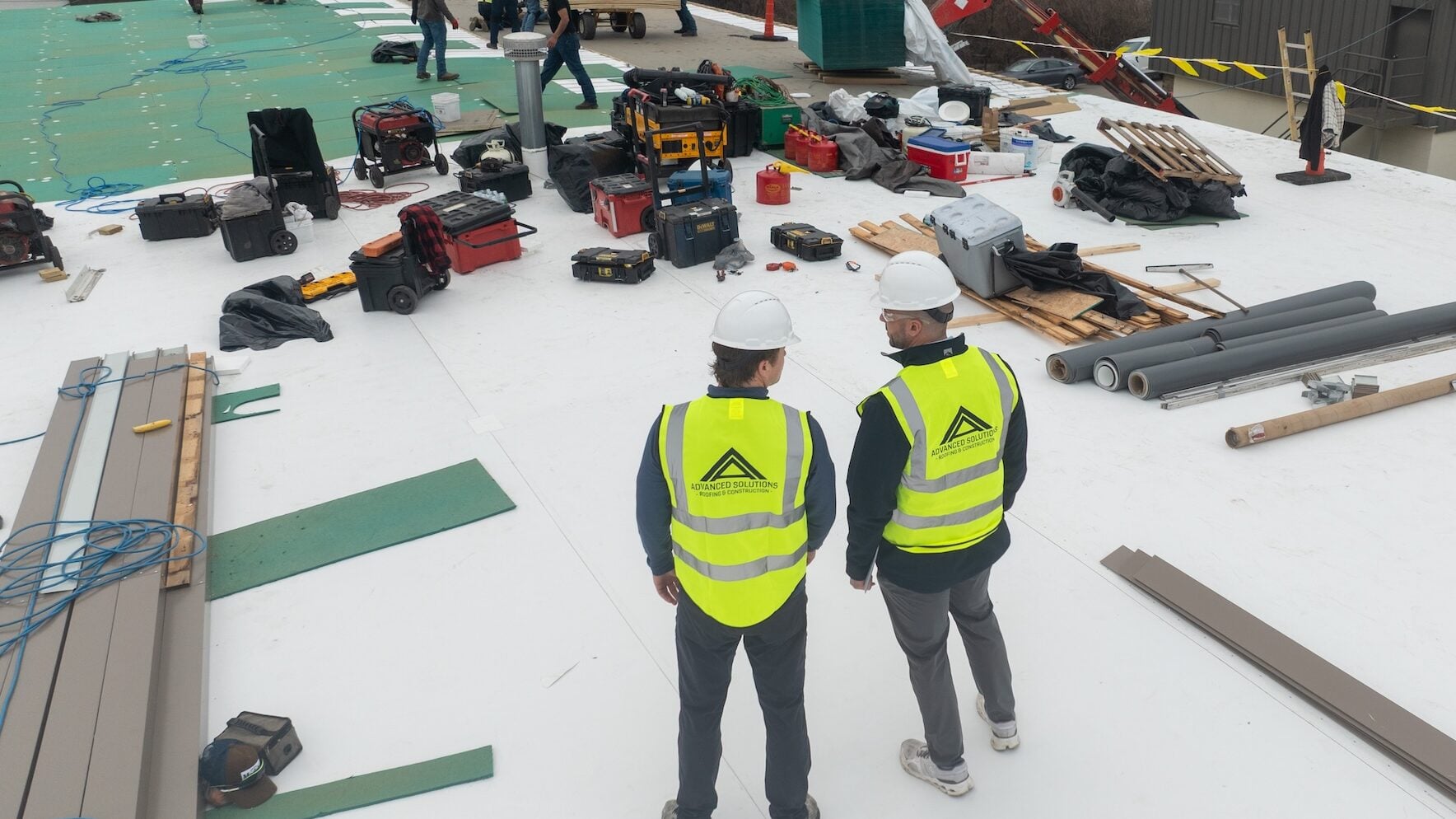
A PVC roofing project typically starts with deck preparation, followed by insulation installation, membrane placement, and heat welded seaming to create the finished waterproof surface. Because the process relies on precise welding, experienced installation matters significantly to the long-term performance of the roof.
| Membrane Type | Chemical Resistance | Typical Lifespan | Best Fit |
| PVC | Excellent | 20 to 30 years | Restaurants, manufacturing, schools |
| TPO | Good | 15 to 20 years | Budget-conscious retail and office buildings |
| EPDM | Fair | 20 to 30 years | Cold climate properties |
Signs Your Existing Roof May Be Ready for a PVC Upgrade
Not every commercial roof needs immediate replacement, but certain warning signs suggest it may be time to consider a switch to a more durable membrane like PVC. Property owners managing aging single-ply roofs or built-up systems often notice these issues well before a full failure occurs, and catching them early can prevent more expensive repairs down the road.
- Frequent seam separation: Adhesive based seams on older membranes can loosen over time, leading to recurring leaks that keep coming back.
- Visible grease or chemical staining: Discoloration or softening near kitchen exhaust vents or chemical storage areas often signals that the current membrane cannot handle ongoing exposure.
- Rising cooling costs: A roof that has lost its reflective properties forces HVAC systems to work harder, which shows up directly on monthly energy bills.
- Repeated patch repairs: If the same areas keep failing despite regular maintenance, it may be more cost effective to replace the membrane than to keep patching it.
Common FAQs About PVC Roofing
Commercial property owners weighing roofing materials tend to ask similar questions before moving forward with a PVC system. Here are the ones we hear most often.
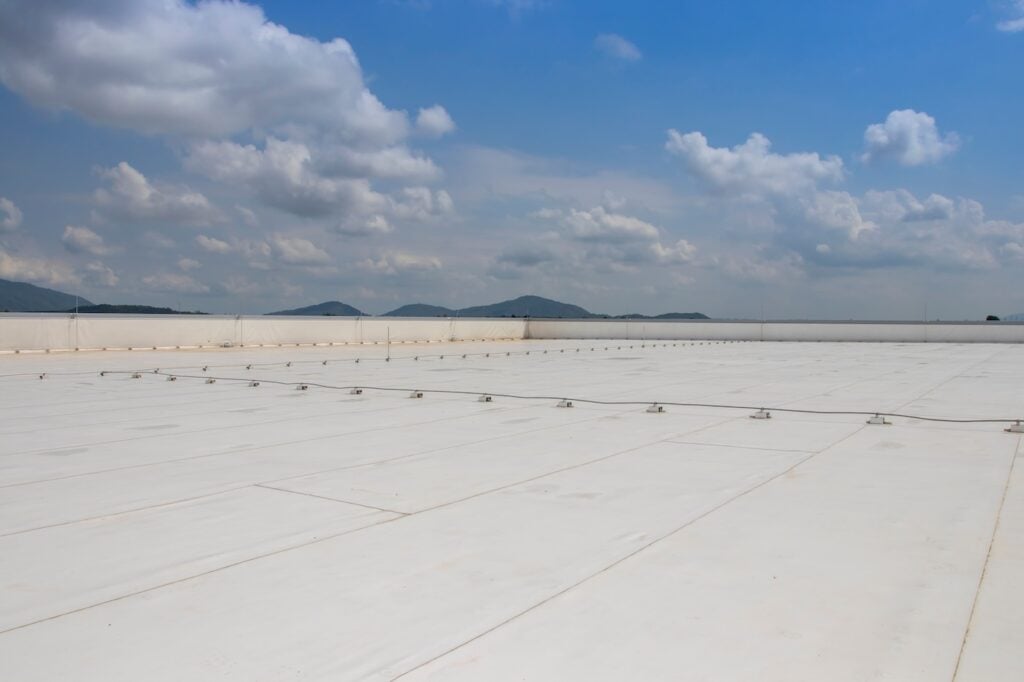
How long does a PVC roof typically last?
Most PVC roofing systems last between 20 and 30 years when properly installed and maintained, with thicker membranes generally lasting closer to the higher end of that range.
Is PVC roofing a good option for cold climates?
PVC can perform well in cold climates, but older or improperly maintained membranes can become brittle over time. A licensed contractor can help determine the right thickness and reinforcement for your region.
Does PVC roofing require a lot of maintenance?
PVC requires relatively low maintenance compared to many other roofing systems, though routine inspections and seam checks help catch small issues before they become costly repairs.
Can PVC roofing be installed over an existing roof?
In many cases, yes. A roof inspection will determine whether the existing substrate is a suitable base for a new PVC membrane or whether a tear off is necessary first.
Does PVC roofing help with insurance claims after storm damage?
Documented storm damage to a PVC roof can support an insurance claim, particularly when paired with a thorough inspection and clear reporting from an experienced roofing contractor.
Advanced Solutions: Built for Demanding Commercial Roofs
Selecting the right membrane for a commercial property means weighing chemical exposure, climate, budget, and long-term maintenance needs all at once. Our team has helped property owners across Texas, Missouri, Kentucky, Tennessee, and Georgia choose and install roofing systems built to handle exactly these kinds of demands, with a focus on minimizing disruption to daily operations.
Whether you are comparing PVC against other membrane types or need guidance on an insurance claim after storm damage, Advanced Solutions brings decades of combined industry experience to every project.
Wondering if PVC roofing is the right fit for your building? Schedule a free roof evaluation and get a clear recommendation from our team.