Featured Article
Architectural Shingles for Commercial Roofing: 6 Benefits
Choosing the right roofing material for a commercial property is rarely a one size fits all decision, but architectural shingles have become a go to option for mixed use buildings, retail strip malls, churches, and schools that want durability without sacrificing curb appeal. Before deciding on a steep slope roof replacement, it helps to understand exactly what makes architectural shingles different from a standard asphalt shingle and how to work with a roofing contractor to choose right architectural shingles for your property.
In this guide, we will cover:
- What sets architectural shingles apart from basic 3-tab options
- The biggest advantages for commercial and multi-tenant properties
- A side by side comparison with other common roofing materials
- What to expect during installation and inspections
- Common questions property owners ask before making a decision
What Makes Architectural Shingles Different
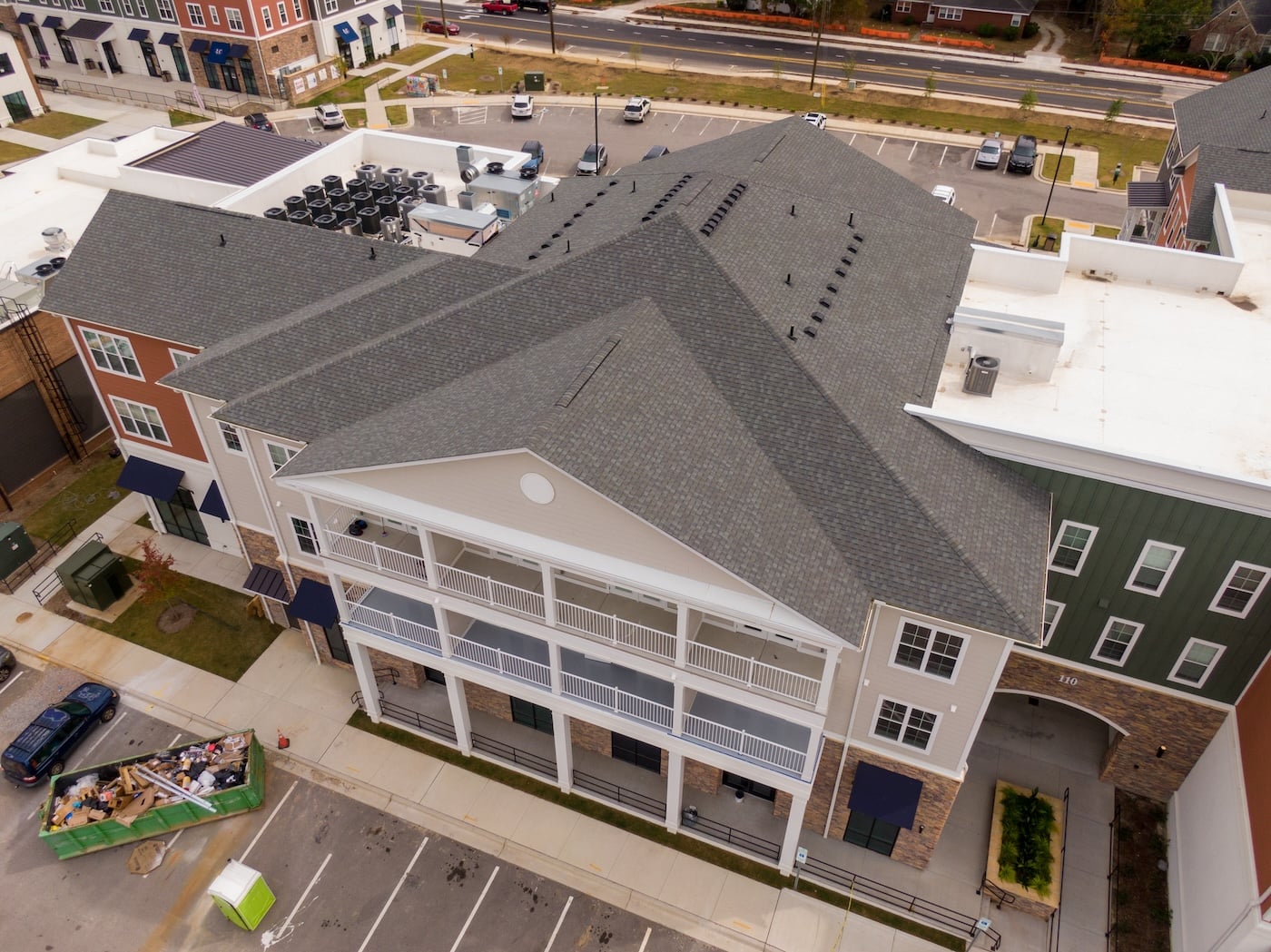
Architectural shingles, sometimes called laminated shingles, are built from multiple layers of asphalt fused together rather than a single flat layer. That added thickness gives them a dimensional, textured look that mimics the appearance of slate or wood shake, while also improving durability against wind, hail, and general wear. For commercial buildings that combine retail space with offices or community use, that combination of strength and aesthetics matters more than many property owners expect.
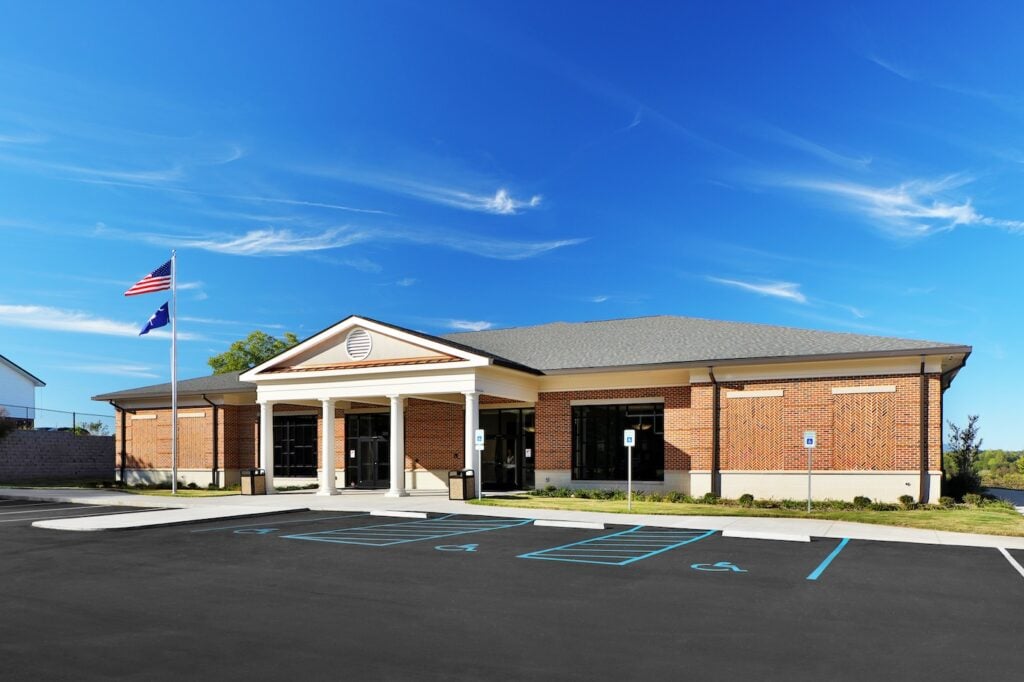
Buildings across Louisville, Kentucky and the surrounding region face a mix of summer storms, freeze thaw cycles, and occasional high wind events, all of which put extra strain on roofing materials. We’re proud to serve home and business owners in Louisville, Kentucky and nearby communities with commercial roofing services and more.
How They Hold Up Compared to Standard Shingles
The thicker, layered construction of architectural shingles also means they tend to weigh more per square than basic shingles, which improves resistance to wind uplift and reduces the chance of edges lifting in a storm. According to the Asphalt Roofing Manufacturers Association, most of the continental United States falls within a 90 mph wind zone classification, with some coastal regions rated higher, and architectural shingles are generally manufactured to meet or exceed those baseline requirements when properly installed. Most shingle manufacturers tie their wind warranties directly to professional installation, which is one more reason this is not a project to take on without an experienced roofing contractor.
They generally cost more upfront than traditional 3-tab shingles, but that added cost reflects the extra material, stronger wind performance, and longer service life that come with the thicker, laminated design.
6 Benefits of Architectural Shingles for Commercial Roofing
Property owners weighing their roofing options tend to focus on the same handful of factors. Here are the advantages that come up most often when architectural shingles are part of the conversation.
- Improved wind and impact resistance: The multi-layer design holds up better against gusts and hail compared to single layer shingle products.
- Longer service life: Most architectural shingle systems are rated for 20 to 30 years, often outlasting basic 3-tab shingles by a decade or more.
- Enhanced curb appeal: The dimensional profile gives buildings a more upscale appearance, which matters for retail centers and customer facing properties.
- Stronger warranty coverage: Manufacturers typically back architectural shingles with longer warranties due to their thicker construction.
- Better resale and lease value: A higher quality roofing system can be a meaningful selling point for commercial property listings and tenant negotiations.
- Lower long-term maintenance costs: Fewer repairs and replacements over the life of the roof translate into real savings for property owners managing multiple buildings.
What to Expect During Professional Installation
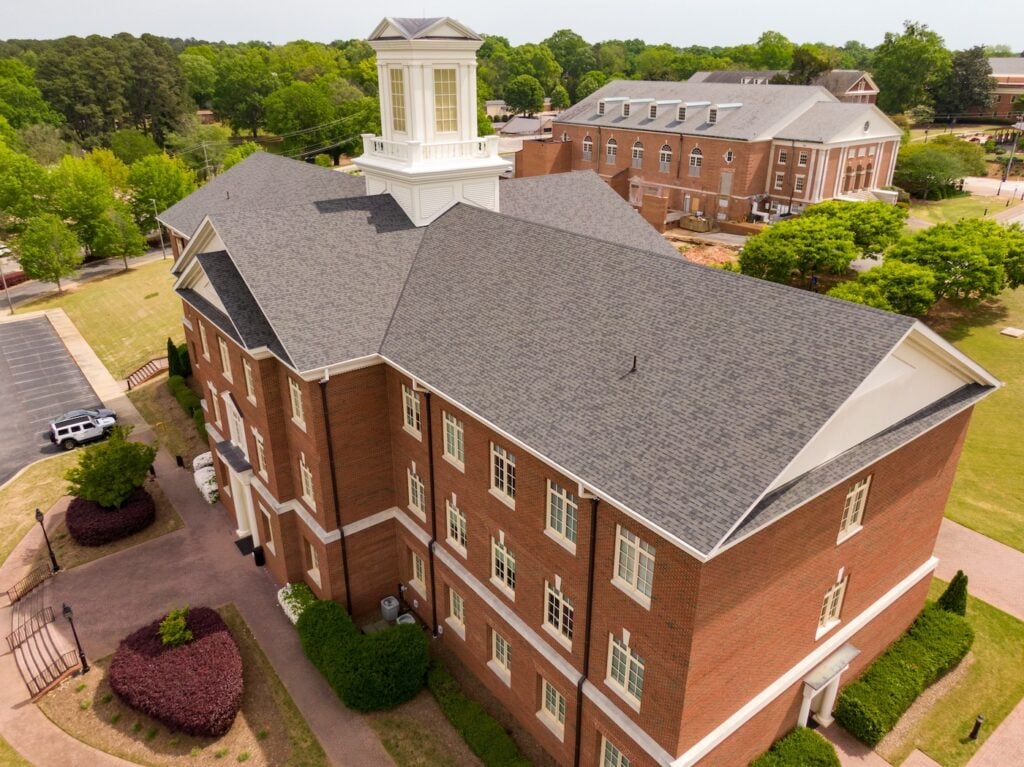
A quality installation is just as important as the shingle itself when it comes to long-term performance. A qualified roofing contractor typically begins by removing the old roofing material down to the deck, repairing any damaged sheathing, and installing an underlayment layer before the architectural shingles go down. Proper nailing patterns and ventilation matter just as much on a commercial building as they do on a smaller structure, and skipping these steps is one of the most common reasons a roof underperforms its rated lifespan.
Many architectural shingles carry a Class A fire rating when properly installed, which is an important consideration for commercial properties subject to stricter building and insurance requirements.
- Deck inspection and repair: Any soft spots or water damage need to be addressed before new shingles are installed.
- Underlayment and flashing: A properly installed underlayment and updated flashing around penetrations prevent the majority of future leaks.
- Ventilation review: Poor attic or roof deck ventilation can shorten the lifespan of even the best architectural shingles, so this step is rarely optional.
Architectural Shingles vs. Other Roofing Materials
Property owners often compare architectural shingles against other common options before committing to a material. The table below breaks down how they stack up on cost, lifespan, and wind performance.
| Material | Typical Cost | Lifespan | Wind Rating |
| 3-Tab Shingles | Lowest | 12 to 20 years | 60 to 70 mph |
| Architectural Shingles | Moderate | 20 to 30 years | 110 to 130 mph |
| Metal Roofing | Highest | 40 to 70 years | 140+ mph |
Common FAQs About Architectural Shingles
Commercial property owners researching roofing materials tend to ask similar questions before scheduling a project. Here are the ones we hear most often.
Are architectural shingles worth the extra cost over 3-tab shingles?
For most commercial properties, yes. The added upfront cost is typically offset by a longer lifespan, stronger wind resistance, and reduced repair frequency over time.
Can architectural shingles be installed on a low slope commercial roof?
Architectural shingles are designed for steep slope applications. Low slope sections of a commercial building usually require a different material, such as a membrane or coating system, to perform properly.
How long does an architectural shingle roof typically last?
Most architectural shingle systems are rated for 20 to 30 years, though actual lifespan depends on installation quality, climate exposure, and ongoing maintenance.
Do architectural shingles help with insurance claims after storm damage?
In many cases, yes. Documented storm damage to an architectural shingle roof can support an insurance claim, especially when paired with a thorough inspection and clear documentation from a licensed contractor.
What maintenance do architectural shingles require?
Routine inspections, prompt repair of any damaged or missing shingles, and keeping gutters and drainage clear are the main maintenance tasks that help these roofs reach their full rated lifespan.
Advanced Solutions: Roofing Built to Last
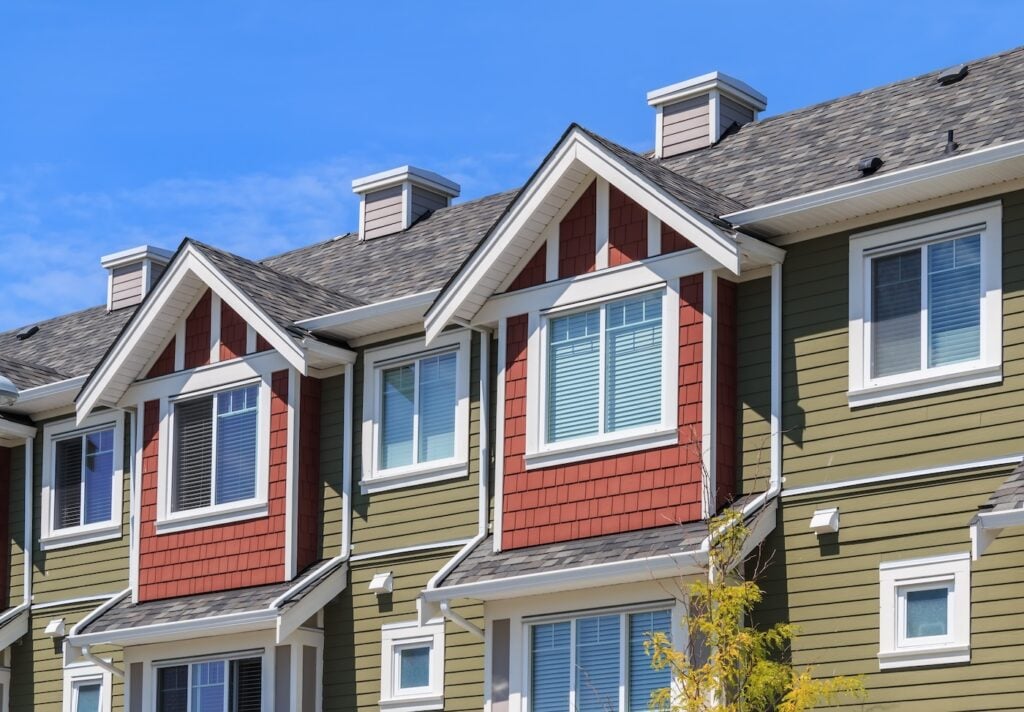
Selecting the right roofing material is one of the most consequential decisions a commercial property owner will make, and architectural shingles offer a strong balance of durability, appearance, and value for many building types. Our team has helped property owners across Texas, Missouri, Kentucky, Tennessee, and Georgia navigate exactly this kind of decision, with an emphasis on honest guidance and minimal disruption to daily operations.
Whether you are weighing architectural shingles against other materials or need help navigating an insurance claim after storm damage, Advanced Solutions brings decades of combined industry experience to every project we take on.
Curious whether architectural shingles are the right fit for your property? Request your free roof inspection and get a straightforward recommendation from our team.