Featured Article
R Panel Roof: Uses, Benefits and Commercial Roofing Performance
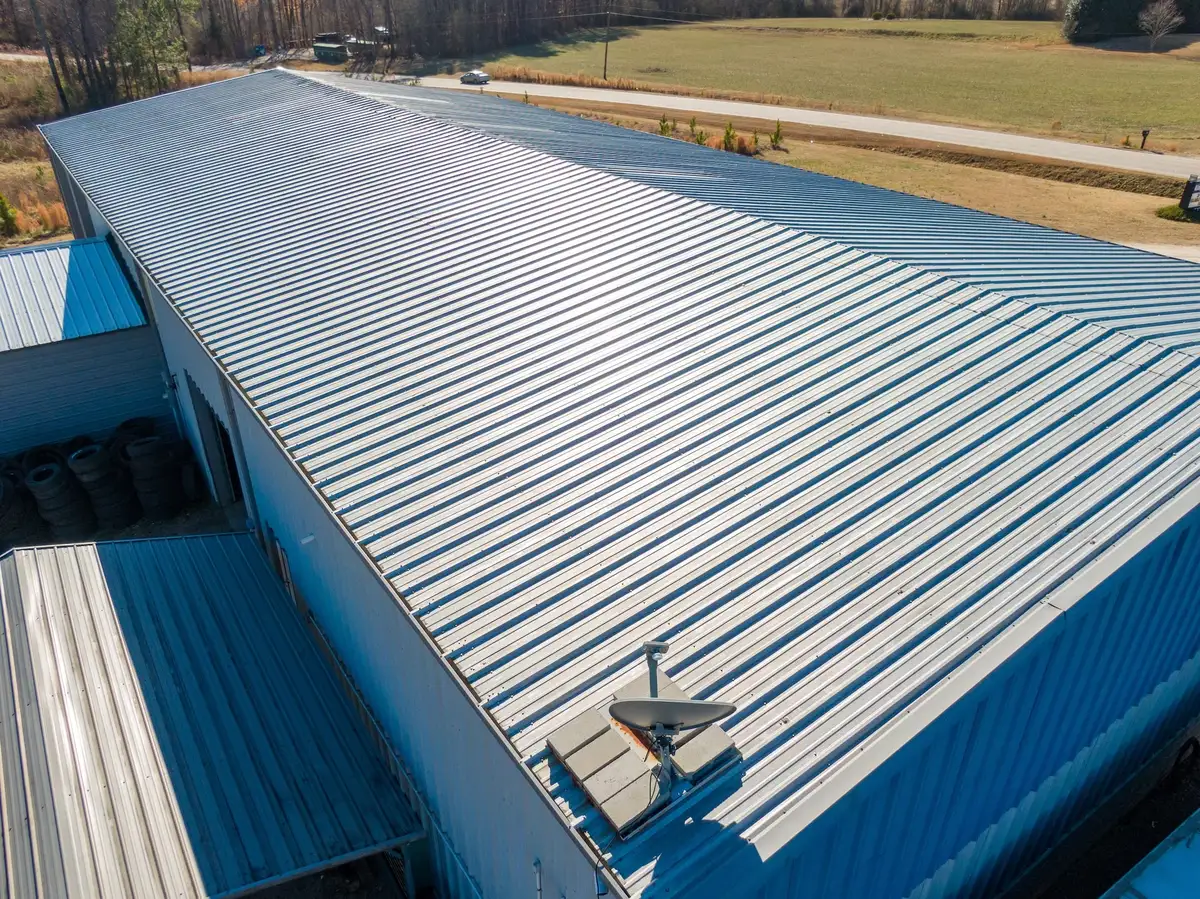
R panel roof systems are one of the most widely used commercial metal roofing solutions for industrial buildings, warehouses, agricultural facilities, manufacturing plants, and commercial properties. Known for their ribbed steel panel design, long-term durability, and cost-effective installation, R panel roofing systems provide reliable protection for both low-slope and steep-slope commercial roofs.
As more commercial property owners prioritize durable roofing materials with lower maintenance requirements, R panel metal roofing continues to be a leading solution for industrial roofing and commercial roofing projects. Understanding how R panel roofs perform, where they are commonly installed, and how they compare to other metal roofing systems can help businesses make informed long-term roofing decisions.
- Durable commercial roofing system: Designed for long-term industrial and commercial roof performance.
- Cost-effective metal roofing: Often more affordable than premium standing seam roofing systems.
- Strong weather resistance: Performs well against wind, rain, UV exposure, and severe weather.
- Versatile roofing applications: Commonly installed on warehouses, industrial buildings, wall applications, and agricultural structures.
What Is an R Panel Roof
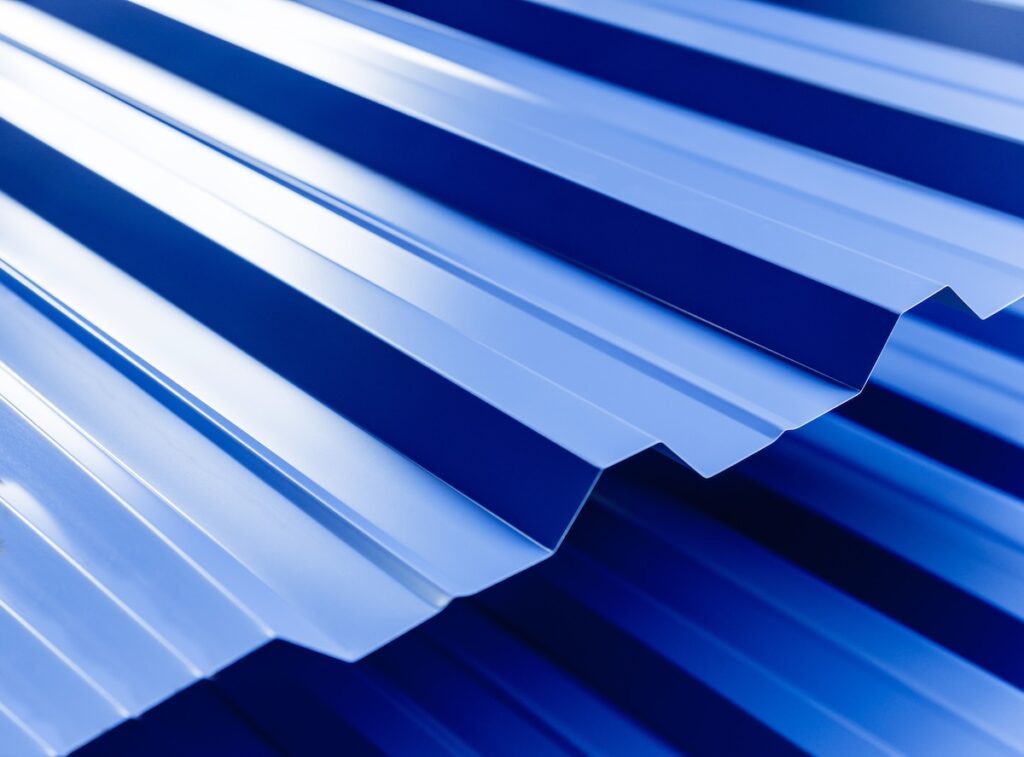
An R panel roof is a metal roofing system made from ribbed steel roofing panels designed for commercial, industrial, and agricultural buildings. The raised ribs improve structural strength while helping channel water off the roof surface for better drainage performance.
R panel roofing systems are commonly manufactured using galvanized steel, Galvalume steel, or painted metal roofing materials designed to resist corrosion, weathering, and UV exposure. These roofing panels are installed using exposed fastener systems that secure the panels directly to the roof structure.
Because of their durability, affordability, and efficient installation process, R panel roofs remain one of the most popular commercial metal roofing systems used across industrial and commercial construction projects. R panel systems are also frequently used as wall panel systems for commercial applications because of their structural strength and clean appearance.
Why R Panel Roofing Is Popular
Commercial property owners continue choosing R panel roofing because it combines durability, structural performance, and long-term value for large commercial buildings.
Cost-Effective Commercial Roofing
Compared to premium commercial roofing systems like standing seam metal roofing, R panel roofing often provides a more affordable installation while still delivering excellent long-term performance.
R-Panel generally costs between $2.00 and $5.00 per square foot for material, making it one of the most cost-effective metal panels available for commercial roofing and wall applications.
- Lower material costs compared to standing seam roofing
- Faster installation process for commercial buildings
- Reliable long-term roofing value
- Cost-effective for large industrial roofing projects
Strong Structural Performance
The ribbed panel design helps improve strength and stability across large commercial roof spans. R-Panel is known for its high structural strength, providing superior spanning capability and load resistance across large roof and wall systems.
- Durable steel roofing panels
- Improved load distribution across the roof structure
- Strong performance in industrial environments
- Reliable structural support for commercial roofing systems
Weather Resistance and Durability
R panel metal roofing systems are engineered to withstand demanding weather conditions and environmental exposure.
- Strong wind resistance for commercial buildings
- Resistant to rain and moisture intrusion
- Durable against UV exposure and weathering
- Performs well during severe weather conditions
Long-Term Metal Roof Lifespan
Commercial metal roofing systems are known for their long service life compared to many traditional roofing materials.
- Typical lifespan of 40–60 years or more
- Resistant to cracking and deterioration
- Lower replacement frequency compared to asphalt roofing
- Long-term roofing value for commercial properties
Common Uses for R Panel Roofing
R panel roofing systems are widely used across commercial and industrial construction because of their versatility and durability.
Industrial Buildings
Industrial facilities often use R panel roofing systems because they provide strong structural performance and low maintenance requirements.
- Warehouses and distribution centers
- Manufacturing facilities
- Industrial storage buildings
- Processing plants and factories
Agricultural Buildings
Agricultural structures commonly use R panel metal roofing because of its weather resistance and cost-efficiency. According to MBCI, steel roofing and siding panels for agricultural buildings undergo rigorous testing to ensure their strength and durability will protect farm equipment, supplies and livestock from harsh weather conditions — making R panel metal roofing one of the most trusted and widely used solutions across farms, barns, and agricultural storage facilities.
- Barns and agricultural buildings
- Equipment storage facilities
- Livestock shelters
- Farm workshops and storage areas
Commercial Buildings and Wall Applications
Commercial properties also benefit from the durability and affordability of R panel roofing systems. In addition to roofing, these metal panels are commonly installed for wall applications and insulated wall panel systems.
- Retail buildings
- Commercial storage facilities
- Office and service buildings
- Automotive and repair facilities
- Exterior wall panel systems
- Insulated commercial wall applications
Benefits of an R Panel Roof
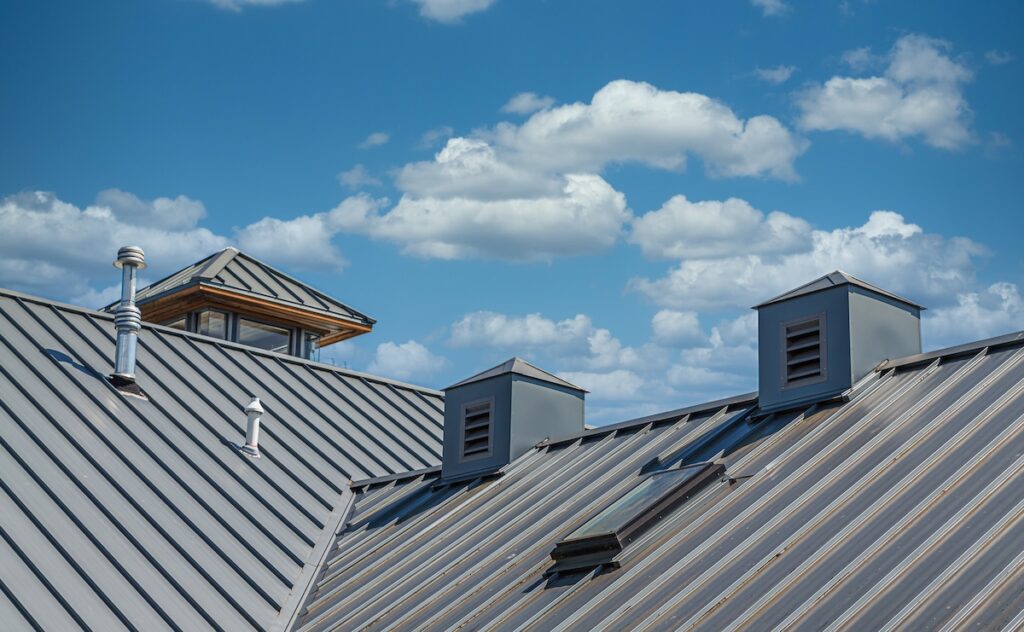
R panel roofing systems offer several important advantages compared to many traditional commercial roofing materials. Businesses often choose R panel metal roofing because it balances durability, affordability, weather resistance, and long-term performance for large commercial and industrial buildings.
Energy Efficiency
Modern metal roofing systems often include reflective coatings designed to reduce heat absorption and improve overall building energy efficiency. R panel roofs are commonly treated with reflective coatings that lower cooling costs by deflecting solar heat and reducing interior temperatures.
- Lower roof surface temperatures
- Reduced cooling costs during warmer months
- Improved commercial building energy performance
- Reflective roof coating options available
Low Maintenance Requirements
R panel roofing generally requires less maintenance than many flat roofing systems and traditional roofing materials.
- Minimal routine upkeep
- Durable commercial roofing material
- Resistant to mildew, pests, and rot
- Reduced long-term repair needs
Lightweight Roofing Material
Metal roofing systems place less structural stress on buildings compared to heavier roofing materials like clay tile or natural slate.
- Reduced strain on roof framing systems
- Easier structural load management
- Efficient installation on industrial buildings
- Suitable for large-span commercial roofs
Fast Commercial Roof Installation
R panel roofing systems can often be installed faster than more complex commercial roofing systems because of their exposed fastener design and panel configuration. The installation of R-Panel is fast and efficient, designed for open framing or solid decking, which helps reduce labor time and overall project costs.
- Efficient installation process
- Reduced labor complexity
- Faster project completion for large roofs
- Reliable commercial roofing performance
Strong Long-Term Durability
R panel roofs are designed to withstand harsh weather conditions and long-term environmental exposure. Proper installation and routine maintenance help maximize roof lifespan and waterproofing performance.
- Strong resistance to weather exposure
- Durable metal roofing construction
- Reliable long-term roof protection
- Reduced risk of premature roof deterioration
R Panel Roof vs Standing Seam Roofing
R panel roofing and standing seam roofing are both commercial metal roofing systems, but they differ in several important ways.
Fastener Systems
R panel roofs use exposed fasteners, while standing seam roofing systems use concealed fasteners for a cleaner appearance and additional weather protection.
Cost Differences
R panel roofing is generally more affordable than standing seam metal roofing because of simpler panel designs and installation methods.
Appearance
Standing seam roofing typically provides a more modern architectural appearance, while R panel roofs prioritize functionality, durability, and cost-efficiency.
Maintenance Requirements
Because R panel roofs use exposed fasteners, periodic fastener inspections and maintenance are important to maintain waterproofing performance and long-term durability.
What to Expect During R Panel Roof Installation
Proper installation is essential for maximizing roof lifespan, weather resistance, and long-term roofing performance. Commercial metal roofing systems require careful planning, structural evaluation, and precise panel installation to ensure reliable waterproofing and durability over time. R panel roofing is lightweight, allowing for installation directly over existing roofing materials, such as asphalt shingles.
Roof Inspection and Structural Evaluation
Before installation begins, the roofing contractor evaluates the roof structure, insulation, drainage systems, and existing roofing materials. The underlying roof deck should also be inspected for rust, moisture damage, or structural concerns.
The recommended minimum slope for R-Panel roof installations is 1:12 to ensure proper drainage and performance.
- Inspection of structural support systems
- Evaluation of insulation and drainage performance
- Assessment of existing roof condition
- Identification of moisture or corrosion issues
Roof Preparation
The roof surface is cleaned and prepared before the metal roofing panels are installed. Existing roofing materials may be removed depending on the condition of the roof and installation requirements.
Drainage planning is also reviewed during this stage to help reduce ponding water and improve long-term roof performance.
- Roof surface preparation and cleaning
- Removal of damaged roofing materials if needed
- Preparation for panel attachment systems
- Drainage evaluation and planning
Panel Layout and Positioning
Before fastening begins, roofing panels are carefully aligned and positioned to ensure proper spacing, drainage flow, and structural consistency across the roof system.
Proper panel layout helps improve waterproofing performance and ensures the roofing system meets manufacturer installation requirements. Installers must also account for thermal expansion to help prevent long-term panel stress and movement issues.
- Alignment of metal roofing panels
- Layout planning for drainage performance
- Positioning for structural consistency
- Preparation for secure panel fastening
Panel Installation and Fastening
R panel roofing panels are installed according to manufacturer specifications using exposed fastener systems designed to secure the panels to the roof structure.
- Placement of ribbed metal roofing panels
- Installation of exposed fastener systems
- Secure attachment for wind resistance
- Waterproofing performance around fasteners
Flashing and Final Inspection
Flashing, trim components, ridge caps, and roof penetrations are sealed to maintain waterproofing performance. A final inspection verifies panel alignment, fastener installation, drainage performance, and overall roof quality.
- Flashing installation around penetrations
- Trim and ridge cap installation
- Waterproofing evaluation
- Final quality inspection and performance review
Maintenance and Long-Term Roof Performance
Routine maintenance helps maximize the lifespan and performance of R panel roofing systems. Preventative maintenance also helps identify loose fasteners, flashing issues, sealant deterioration, and panel damage before larger repairs become necessary.
- Schedule annual commercial roof inspections
- Inspect exposed fasteners regularly
- Keep drainage systems clear
- Address panel damage early
- Monitor flashing and sealant performance
Routine maintenance helps reduce commercial roof repair costs while improving long-term roofing system performance.
Common FAQs About R Panel Roofs
Commercial property owners often choose R panel roofing systems because of their balance of durability, affordability, and long-term performance. Understanding how R panel roofs perform in different environments helps businesses determine whether this commercial roofing system aligns with their operational needs, maintenance goals, energy efficiency expectations, and long-term roofing budget.
How long does an R panel roof last?
Most R panel roofing systems last between 40 and 60 years depending on installation quality, maintenance, climate conditions, and roofing material specifications.
Is R panel roofing good for commercial buildings?
Yes. R panel roofing is widely used on commercial and industrial buildings because of its durability, weather resistance, cost-efficiency, and long-term roofing performance.
Does R panel roofing require maintenance?
Yes. Routine inspections, fastener checks, flashing evaluations, and preventative maintenance are important for maintaining waterproofing performance and extending roof lifespan.
What is the difference between R panel and standing seam roofing?
R panel roofing uses exposed fasteners, while standing seam roofing systems use concealed fasteners and generally provide a more premium architectural appearance.
Is R panel roofing energy efficient?
Many R panel roofing systems include reflective coatings and energy-efficient finishes designed to reduce heat absorption and improve commercial building energy performance.
Choosing the right commercial metal roofing system requires evaluating building design, climate conditions, maintenance expectations, structural requirements, minimum quantities for materials, and long-term roofing goals. Working with an experienced commercial roofing contractor helps ensure the roofing system is installed correctly and designed for reliable long-term performance.
Trust Advanced Solutions for R Panel Roofing
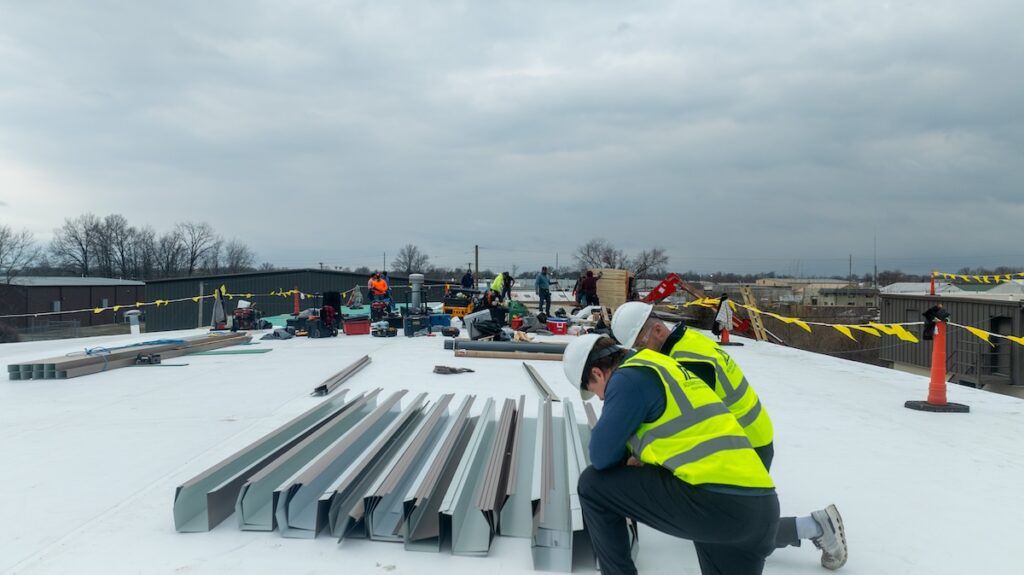
Advanced Solutions provides expert installation, replacement, and maintenance services for commercial metal roofing systems, including R panel roofs. Our team works with industrial facilities, warehouses, agricultural buildings, manufacturing plants, and commercial properties to deliver roofing solutions designed for durability, weather resistance, and long-term value.
Whether you need a new R panel roof installation, commercial metal roof replacement, or preventative roofing maintenance, Advanced Solutions delivers dependable roofing services built around quality workmanship and reliable protection.