Featured Article
TPO vs EPDM: Key Differences Explained
TPO vs EPDM is one of the most common comparisons in commercial roofing because both systems are widely used for flat roofs and a While each roofing material offers strong waterproofing and long-term durability, there are important differences in energy efficiency, installation, lifespan, maintenance, and overall performance. Understanding the key differences between TPO and EPDM roofing systems can help property owners choose the best option for their commercial property.
- Popular commercial roofing systems: Both TPO and EPDM are commonly installed on commercial flat roofs.
- Different material compositions: TPO is a thermoplastic membrane, while EPDM is a synthetic rubber roofing system.
- Energy efficiency differences: TPO typically offers greater reflectivity and heat resistance.
- Long-term durability: Both roofing systems provide strong waterproofing and weather protection when properly maintained.
What Is TPO Roofing
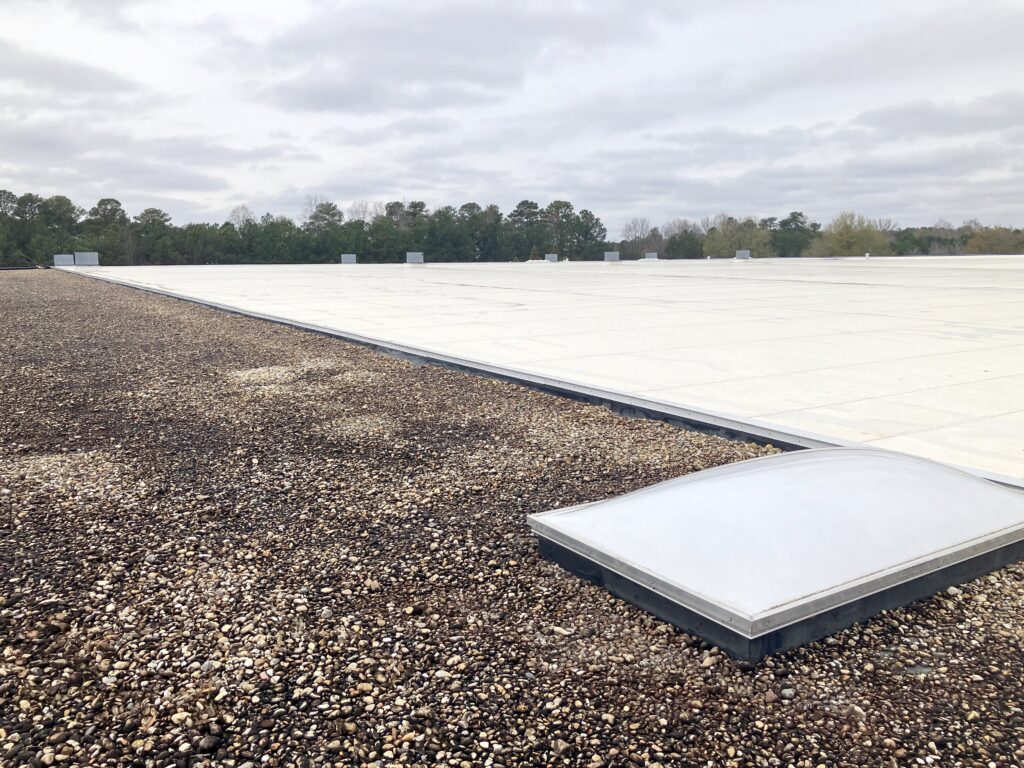
TPO (thermoplastic polyolefin) roofing is a single-ply membrane roofing system commonly used on commercial buildings, warehouses, retail centers, and industrial facilities. TPO roofing is known for its reflective surface, energy efficiency, and heat-welded seams that create strong waterproofing performance.
TPO roofing systems are especially popular in warmer climates because they help reduce heat absorption and improve energy efficiency for large commercial roofs.
Benefits of TPO Roofing
TPO roofing offers several advantages for commercial roofing systems focused on performance and energy savings.
- Reflective membrane improves energy efficiency
- Heat-welded seams provide strong waterproofing
- Resistant to UV exposure and heat damage
- Lightweight roofing material for flat roofs
- Cost-effective commercial roofing solution
What Is EPDM Roofing
EPDM (ethylene propylene diene monomer) roofing is a synthetic rubber roofing membrane commonly installed on flat roofs and low-slope commercial buildings. EPDM roofing systems are known for their flexibility, weather resistance, and strong long-term durability.
EPDM performs especially well in colder climates because the rubber membrane remains flexible during temperature fluctuations and freezing conditions.
Benefits of EPDM Roofing
EPDM roofing remains one of the most widely used commercial roofing materials because of its proven long-term performance.
- Excellent flexibility in changing temperatures
- Strong resistance to weathering and impact damage
- Long-lasting commercial roofing material
- Effective waterproofing for flat roofing systems
- Lower upfront material costs in some applications
5 Key Differences of TPO vs. EPDM
Although both are single-ply membrane roofing systems, TPO and EPDM differ in several important areas.
1. Material Composition
TPO roofing uses a thermoplastic membrane, while EPDM is made from synthetic rubber material. These differences affect flexibility, reflectivity, seam installation, and overall roofing performance.
2. Energy Efficiency
According to SPRI, the recognized authority in the commercial roofing industry, most light-colored TPO membranes are ENERGY STAR qualified and Cool Roof Rating Council certified, and have been directly attributed to reductions in buildings’ energy consumption and costs by greatly diminishing the need for air conditioning — making TPO one of the strongest choices for commercial properties focused on long-term energy savings.
- TPO reflects sunlight and reduces heat absorption
- EPDM black membranes absorb more heat
- TPO can help lower cooling costs in warmer climates
Some EPDM roofing systems are available in lighter colors, but TPO is still more commonly associated with reflective roofing performance.
3. Seam Installation
Seams are one of the most important parts of any commercial roofing system.
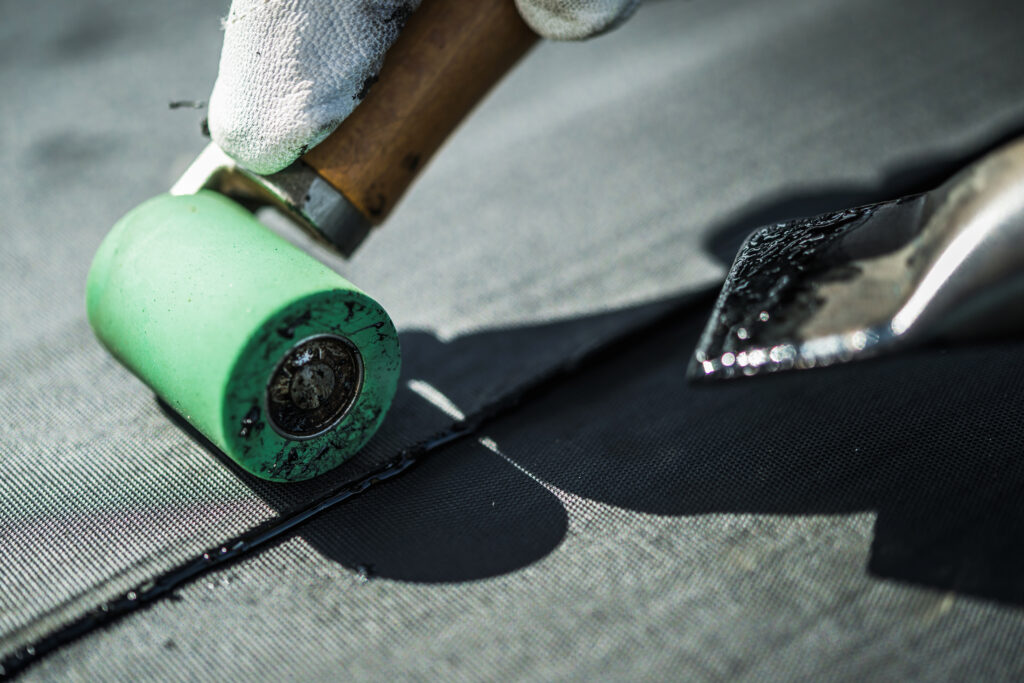
- TPO seams are heat welded for strong waterproofing performance
- EPDM seams are typically adhered using tape or adhesives
- Heat-welded seams are often considered more resistant to water intrusion over time
4. Cold Weather Performance
EPDM roofing systems are known for strong flexibility during cold weather conditions.
- EPDM performs well in colder climates
- Rubber membranes expand and contract effectively
- TPO systems may become less flexible in extreme cold temperatures
5. Chemical and Grease Resistance
TPO roofing systems generally provide stronger resistance against grease, oils, and chemical exposure compared to EPDM roofing.
This makes TPO a common choice for restaurants, manufacturing facilities, and commercial buildings exposed to rooftop contaminants.
TPO vs EPDM Lifespan
Both roofing systems offer strong long-term durability when properly installed and maintained.
TPO Roofing Lifespan
- Typically lasts 20–30 years
- Strong UV and heat resistance
- Requires regular seam inspections and maintenance
EPDM Roofing Lifespan
- Typically lasts 20–30 years or longer
- Excellent long-term weather resistance
- Proven performance across decades of commercial roofing applications
Installation quality, drainage performance, climate conditions, and maintenance all play a major role in determining actual roof lifespan.
TPO vs EPDM Cost Comparison
Cost differences between TPO and EPDM roofing systems vary depending on roof size, insulation needs, installation complexity, and labor costs.
TPO Roofing Costs
TPO roofing may involve slightly higher installation costs because heat-welded seams require specialized equipment and installation methods.
EPDM Roofing Costs
EPDM roofing materials may offer lower upfront costs in some applications, especially for larger commercial flat roofs.
However, long-term performance, energy efficiency, and maintenance costs should also be considered when comparing roofing systems.
Best Applications for TPO Roofing
TPO roofing systems are commonly used for:
- Warehouses and distribution centers
- Retail buildings
- Restaurants and food-service facilities
- Commercial flat roofs in warmer climates
- Energy-efficient commercial roofing projects
Best Applications for EPDM Roofing
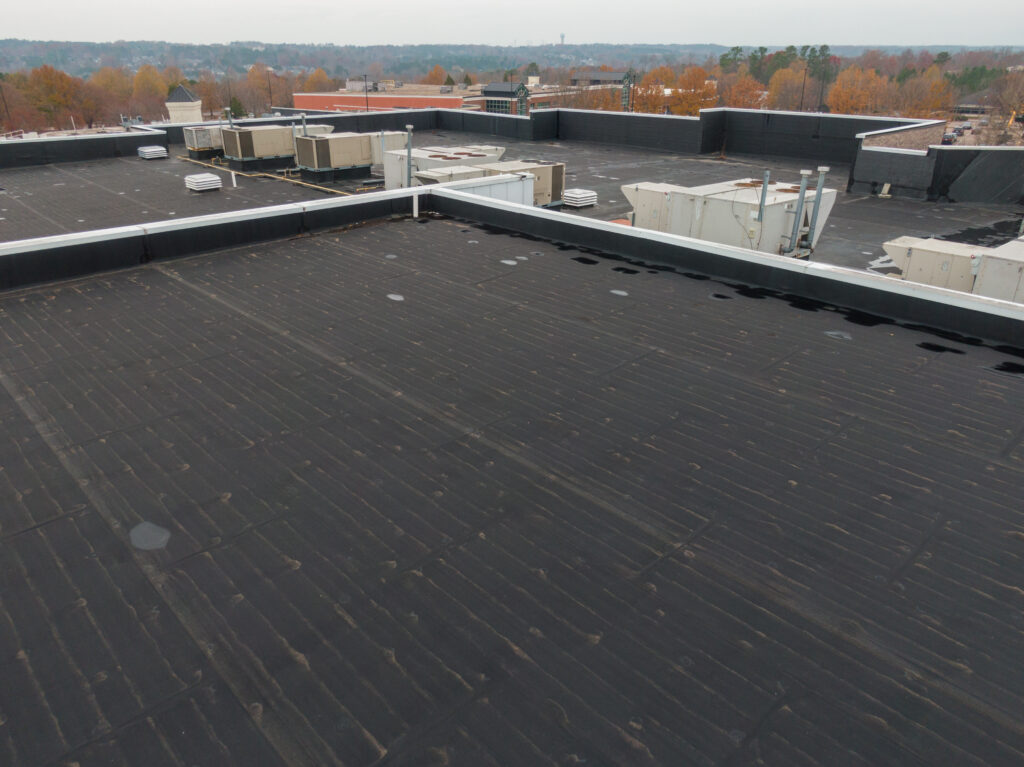
EPDM roofing systems are commonly installed on:
- Industrial facilities
- Office buildings
- Commercial properties in colder climates
- Large low-slope roofing systems
- Buildings requiring flexible roofing materials
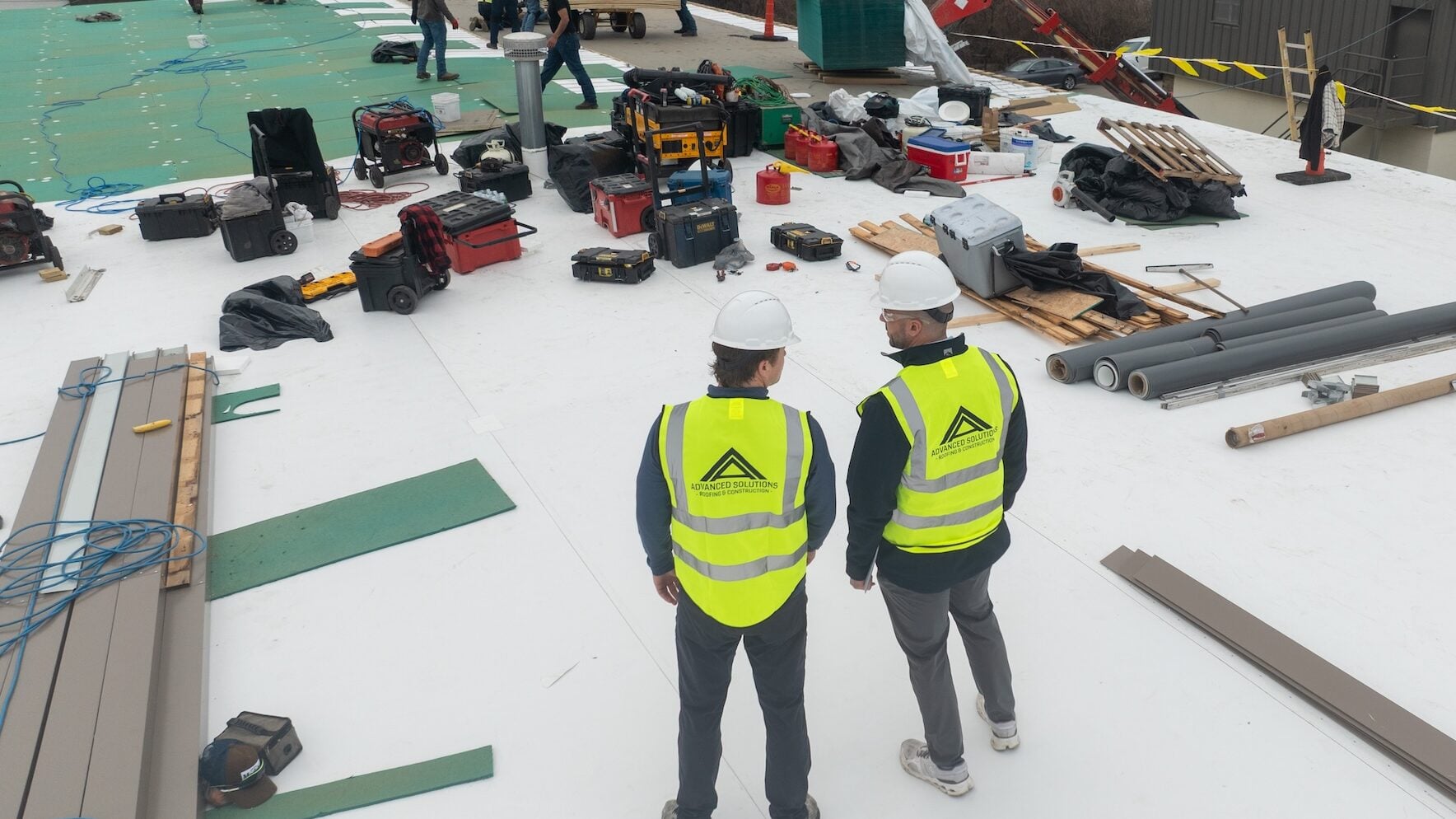
What to Expect During Installation
Installing either TPO or EPDM roofing requires proper planning and evaluation of the roof structure and existing roofing system.
Roof Inspection and Moisture Assessment
Before installation, the roofing contractor evaluates insulation performance, drainage systems, substrate condition, and hidden moisture issues.
Roof Deck Evaluation
The underlying roof deck should be inspected for rust, rot, structural damage, or moisture deterioration before the new roofing system is installed.
Drainage and Tapering Considerations
Proper drainage is essential for commercial flat roofs. In some cases, tapering improvements may be recommended to reduce ponding water and improve drainage performance.
Membrane Installation
TPO membranes are heat welded, while EPDM systems are adhered using specialized tapes and adhesives depending on the installation method selected.
Maintenance Requirements
Both TPO and EPDM roofing systems require routine maintenance to maximize lifespan and waterproofing performance.
- Schedule inspections twice per year
- Check seams and flashing regularly
- Keep drains and gutters clear
- Address punctures and membrane damage early
Routine maintenance helps reduce repair costs and extend the life of commercial roofing systems.
Common FAQs About TPO vs EPDM Roofing
Property owners comparing TPO vs EPDM roofing often evaluate energy efficiency, climate performance, durability, maintenance requirements, and long-term costs before choosing a commercial roofing system. Understanding how each roofing material performs under different environmental conditions can help businesses make informed decisions about long-term roof performance and operational efficiency.
Which is better, TPO or EPDM roofing?
The best roofing system depends on the building, climate, budget, and performance goals. TPO is often preferred for energy efficiency, while EPDM is known for flexibility and cold-weather performance.
Is TPO roofing more energy efficient than EPDM?
Yes. TPO roofing systems generally provide greater reflectivity and lower heat absorption compared to traditional black EPDM membranes.
Which roofing system lasts longer?
Both TPO and EPDM roofing systems typically last between 20 and 30 years when properly installed and maintained.
Is EPDM better for cold climates?
Yes. EPDM roofing membranes remain flexible in colder temperatures and are commonly used in regions with freezing weather conditions.
Do TPO and EPDM roofing systems require maintenance?
Yes. Routine inspections, seam evaluations, drainage maintenance, and preventative repairs are important for both roofing systems.
Choosing between TPO and EPDM roofing depends on factors such as climate conditions, building use, energy efficiency goals, maintenance expectations, and long-term budget planning. Working with an experienced commercial roofing contractor helps ensure the roofing system is installed correctly and designed for reliable long-term performance.
Trust Advanced Solutions for Commercial Roofing Systems
Advanced Solutions provides expert installation, replacement, and maintenance services for TPO roofing, EPDM roofing, and other commercial roofing systems. Our team works with industrial facilities, warehouses, office buildings, retail properties, and multifamily buildings to deliver roofing solutions designed for durability, waterproofing, and energy efficiency.
Whether you need a TPO roof replacement, EPDM roofing installation, or a professional commercial roof inspection, Advanced Solutions delivers dependable roofing services built around long-term protection and performance. Based in Southlake, TX and serving commercial property owners nationwide. Contact us for a free estimate.