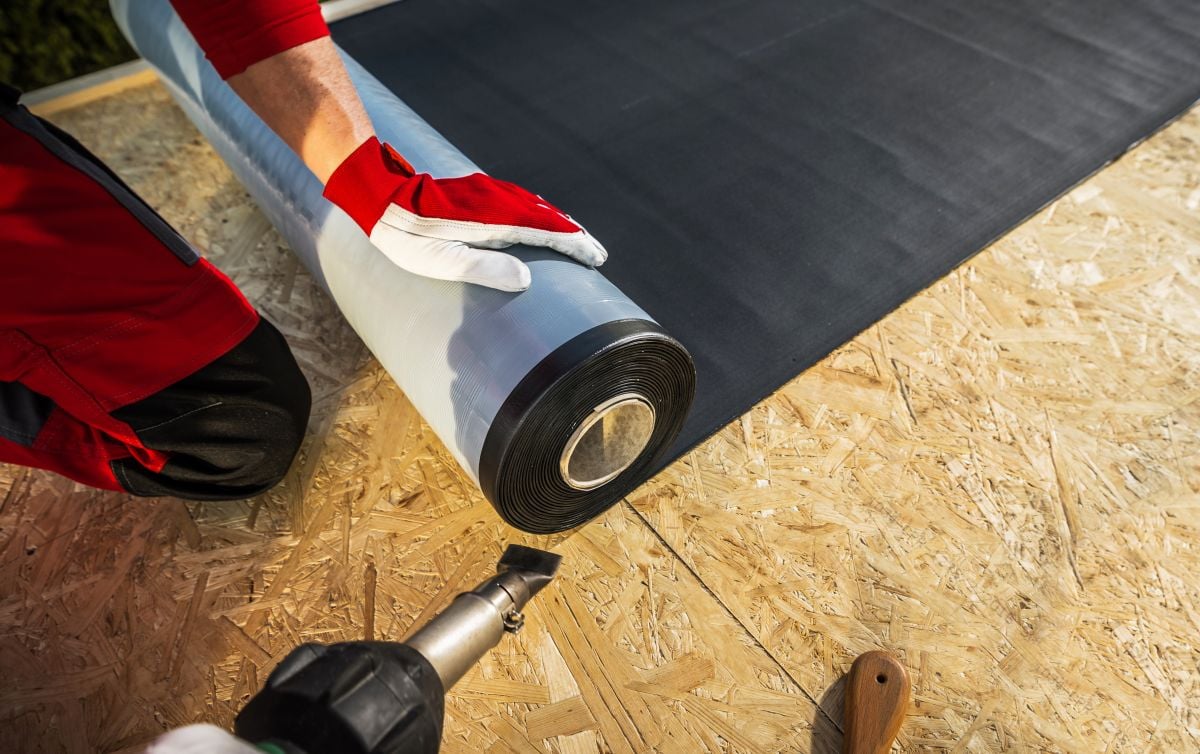
Featured Article
Commercial Roof Coatings: 7 Benefits Before Storm Season Ends
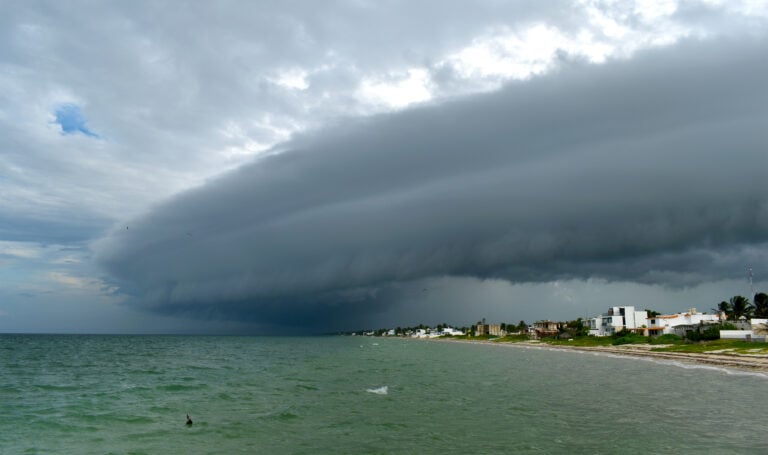
Storm season does not end all at once. October and November still bring severe thunderstorm activity, late-season tropical moisture, and the freeze-thaw cycling that begins stressing roofing systems as temperatures start dropping. Commercial roof coatings applied before that window closes protect buildings through the tail end of storm season and position roofs to handle winter conditions far better than surfaces left unaddressed. Property owners who want to understand what their building could gain from a seasonal roof maintenance and coating consultation typically find the timing of that decision matters as much as the product itself.
In this guide, we will cover:
- Why the end of storm season is an ideal application window for coatings
- The seven key benefits of coating a commercial roof before winter
- Which roofing systems benefit most from coating before the season closes
- What the application process looks like and how quickly it can be completed
- Common questions property owners ask before scheduling coating work
Why Timing Matters for Commercial Roof Coating Applications
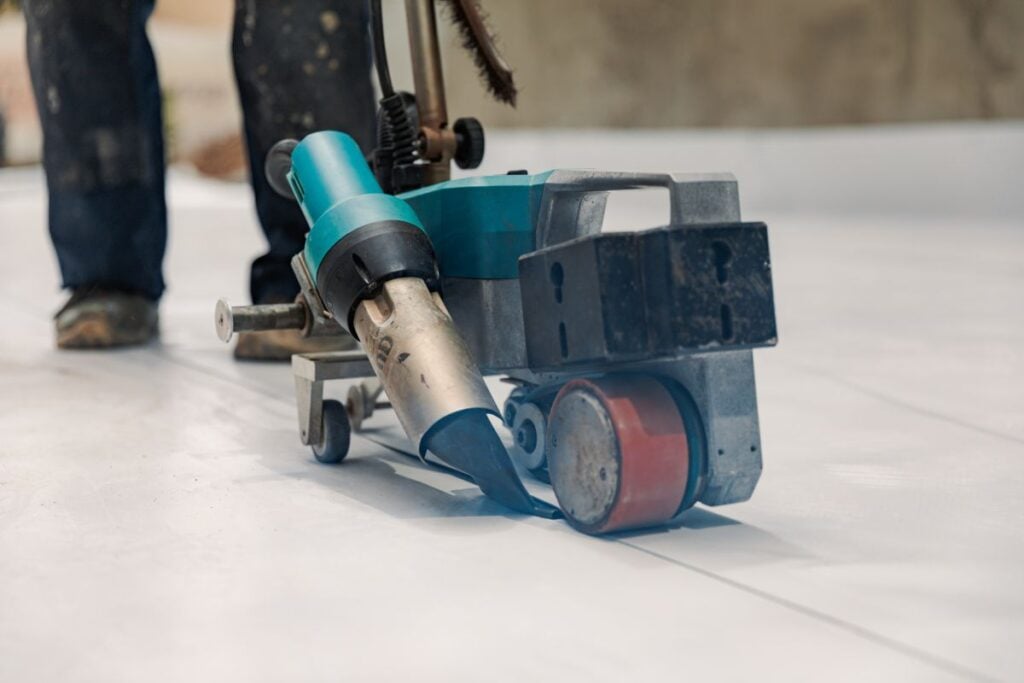
Roof coatings need adequate temperature and low humidity to cure correctly. The late summer and early fall window, roughly August through October depending on region, often provides the best conditions for coating application because temperatures are warm enough to support curing but the peak solar heat of mid-summer has passed. Applying a coating during this window also means the building enters the wettest and most challenging months of the late year with a freshly restored membrane surface.
According to the Roof Coatings Manufacturers Association, roof coatings can slow roof aging by a factor of four, preventing landfill waste from reroofing tear-offs while delivering energy savings of up to 15 percent for buildings that install reflective coatings, making the investment meaningful well beyond the immediate storm season protection.
Properties across Louisville, Kentucky and the surrounding region experience active late-season weather including fall thunderstorms, early freeze events, and the ice accumulation that begins stressing roofing systems from October onward. We’re proud to serve home and business owners in Louisville, Kentucky and nearby communities with commercial roof coating and maintenance services and more.
How Coatings Interact With Late-Season Weather
A freshly applied and fully cured roof coating provides a seamless, reinforced surface that handles wind-driven rain, UV exposure, and temperature transitions better than an unprotected aging membrane. Seams, minor surface cracks, and areas of granule loss that would otherwise become entry points under winter rain and ice accumulation are sealed by the coating before conditions deteriorate.
7 Benefits of Commercial Roof Coatings Before Storm Season Ends
These seven advantages are the most consistent reasons property owners decide to schedule coating work in the late summer and early fall window rather than waiting.
1. Seals Aging Membrane Surface Before Winter Rain
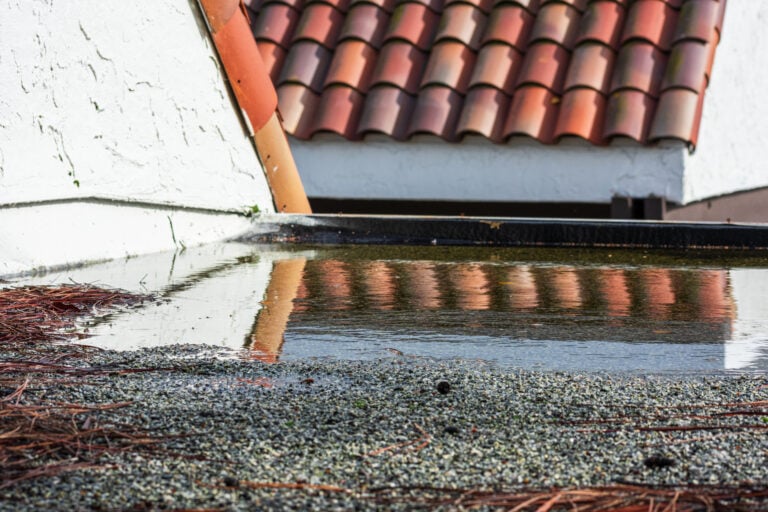
An aging membrane surface with minor cracks, thin spots, and open seams becomes significantly more vulnerable when fall rain and winter freeze-thaw cycles begin. A coating applied before that transition seals those vulnerabilities while the weather still cooperates.
- Why it matters now: Minor surface issues that were manageable through summer become active leak sources under sustained fall rain and freezing temperatures.
- What it buys: A freshly coated surface enters the wettest months with a restored waterproof barrier rather than an aging one that has been losing integrity all season.
2. Reduces Heat Absorption Through the Rest of Storm Season
Reflective commercial roof coatings lower rooftop temperatures significantly, which reduces the heat load on interior HVAC systems through the remaining warm-weather months before winter arrives.
- Why it matters now: Late summer and early fall heat can be intense, and a reflective coating applied now delivers energy savings for the remainder of the season immediately upon curing.
- What it buys: Lower rooftop surface temperatures reduce HVAC demand during peak afternoon hours, which shows up directly in monthly operating costs before temperatures drop.
3. Extends Roof Service Life Without Tear-Off Disruption
A coating applied over a structurally sound roof adds years of service life without requiring the demolition, noise, debris, and business disruption of a full replacement project.
- Why it matters now: Property owners who have been deferring a replacement decision can often extend the decision window by several years with a properly applied coating, avoiding the need to take on a major capital project in the off-season.
- What it buys: An extended service life at a fraction of replacement cost, with the building remaining fully operational throughout the application process.
4. Prepares the Roof for Freeze-Thaw Cycling
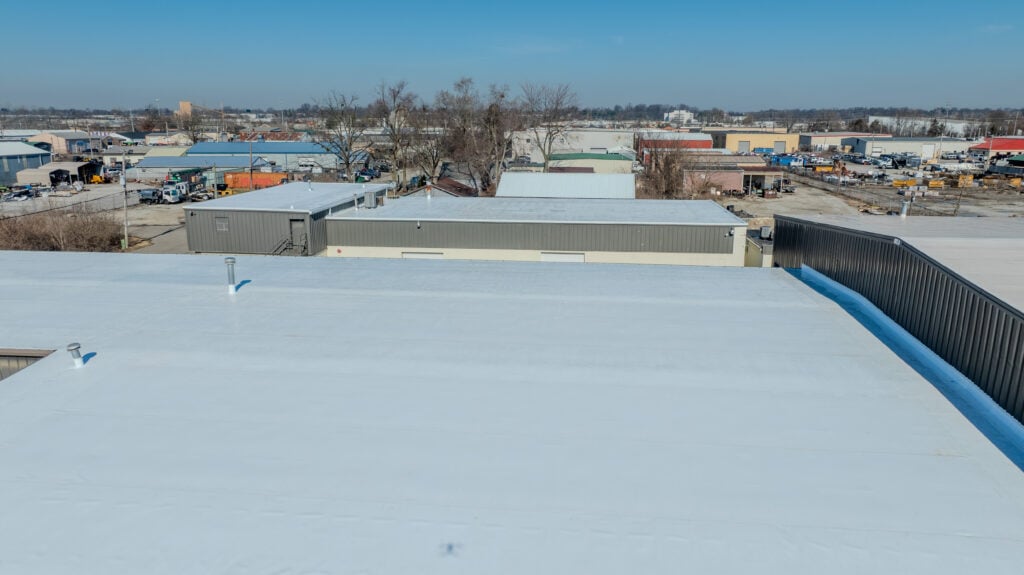
Freeze-thaw cycling is one of the most damaging forces a flat or low slope commercial roof faces in the fall and winter months. Water that enters minor surface cracks expands when it freezes, widening those cracks with every cycle.
- Why it matters now: Applying a coating before the first freeze seals surface imperfections before freeze-thaw forces can exploit them and cause damage that requires more extensive repair.
- What it buys: A sealed surface that resists water infiltration at the start of the freeze-thaw season rather than entering that season already compromised.
5. Supports Post-Storm Insurance Documentation
A professionally applied and documented coating establishes a clear pre-storm baseline for the roof’s condition, which strengthens any insurance claim that follows a late-season storm event.
- Why it matters now: A roof that was professionally inspected, assessed, and coated just before a storm provides a documented record of its pre-loss condition that adjusters cannot easily dispute.
- What it buys: Stronger claim documentation and a clearer case for storm-related damage rather than age-related deterioration when a claim is filed.
6. Protects HVAC Equipment and Rooftop Penetrations
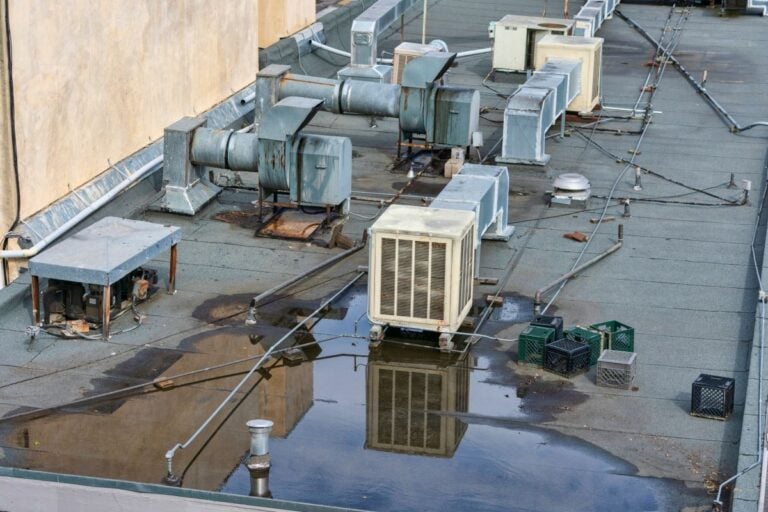
The sealant and flashing work that accompanies a coating application closes off the common entry points around HVAC curbs, drains, vents, and penetrations that storm events most frequently exploit.
- Why it matters now: Fall storms and wind events put particular pressure on flashing details and penetration seals, and addressing these as part of a coating project means they are reinforced before the season peaks.
- What it buys: A comprehensive surface restoration that addresses the roof field and the high-risk penetration areas simultaneously rather than leaving one or the other unaddressed.
7. Qualifies for Energy Credits and Tax Treatment
Reflective commercial roof coatings frequently qualify for energy efficiency credits, utility rebates, and favorable tax treatment as maintenance expenses that can be written off in the same calendar year the work is completed.
- Why it matters now: Scheduling coating work before year-end allows property owners to take advantage of any available energy credits and to write off the coating as maintenance for the current tax year rather than carrying it forward.
- What it buys: A reduced effective cost for the project through energy credits, utility rebates, and immediate tax deductibility in cases where the coating qualifies as maintenance rather than capital improvement.
Which Roofing Systems Benefit Most
Most flat and low slope commercial roofing systems are candidates for coating before storm season closes, though compatibility varies by membrane type and current roof condition.
| Roofing System | Coating Compatibility | Key Benefit Before Winter |
| EPDM | High (silicone, acrylic over prep) | Surface sealing and reflectivity gain |
| TPO | Moderate (manufacturer-specific products) | Reinforcement of aging seam areas |
| Modified Bitumen | High (acrylic and silicone systems) | UV and moisture protection for aging caps |
| Metal Roofing | High (silicone over prepared surface) | Corrosion prevention and seam sealing |
| BUR / Built-Up | High (acrylic and fibered systems) | Surface restoration and granule replacement |
Common FAQs About Commercial Roof Coatings Before Storm Season
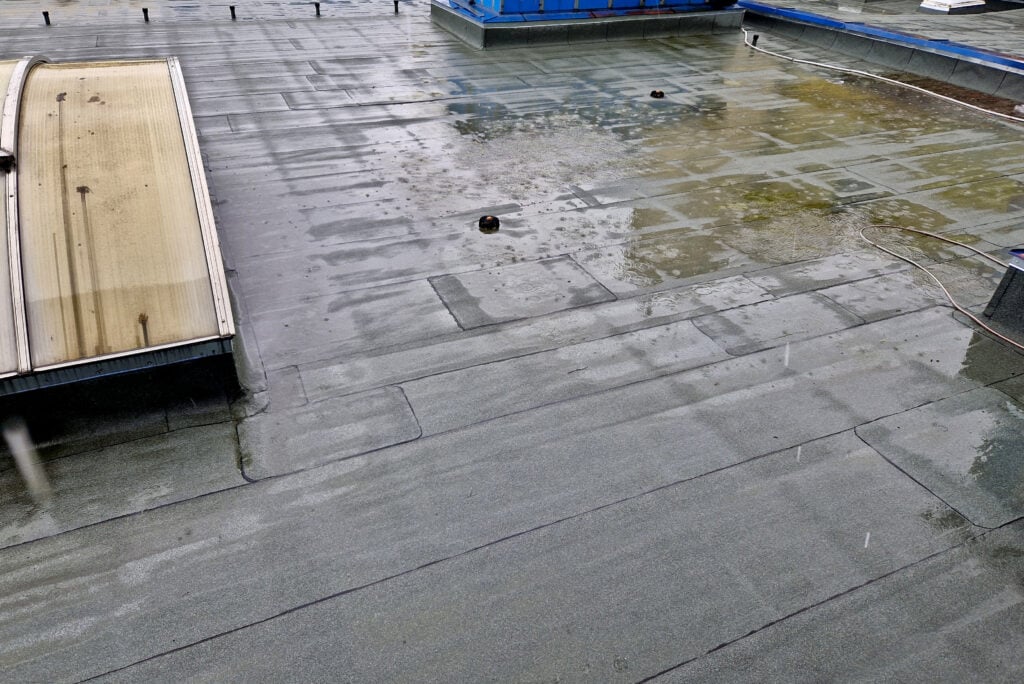
Property managers evaluating end-of-season coating work tend to ask similar questions before committing. Here are the ones we hear most often.
Is it too late in the year to apply a roof coating?
In most of our service regions, the application window stays open through October and into early November depending on temperatures. The key requirements are surface temperatures above 50 degrees Fahrenheit during application and adequate cure time before the next rain event. A contractor can assess current conditions and advise on whether the window is still viable for your location.
How long does a commercial roof coating take to apply?
Most commercial coating projects are completed in one to three days depending on roof size, the number of coats required, and weather conditions during application. The building remains operational throughout, with no significant interruption to daily operations.
How long does a coating last once applied?
Most commercial roof coatings carry warranties of 10 to 20 years depending on the system and applied thickness. A coating applied this season will provide protection well beyond the current storm season into many future years.
Can a coating be applied over a roof that has active leaks?
Active leaks need to be repaired before a coating is applied. Coating over an active leak seals the symptom without addressing the underlying cause and can make future repairs more difficult. A pre-coating inspection identifies any repair needs before application begins.
Will a roof coating void my existing membrane warranty?
It depends on the manufacturer and the terms of the current warranty. A qualified contractor can review your existing documentation and coordinate with the manufacturer to confirm whether the coating is compatible with your warranty coverage.
Advanced Solutions: Coating Work That Protects Beyond the Season
Storm season does not care about calendars, and the roofing decisions made in September and October determine how well a building handles everything from late fall rain to the first hard freeze of winter. Advanced Solutions has helped property owners across Texas, Missouri, Kentucky, Tennessee, and Georgia apply commercial roof coatings at exactly the right point in the season to maximize protection, extend service life, and take advantage of the energy and tax benefits that come with reflective coating systems.
If your commercial roof could use a coating before the season closes, time is working against you. Schedule your coating assessment today and find out whether your roof is a candidate before the application window narrows.