Featured Article
Commercial Flat Roof Replacement: What to Expect
When planning a commercial flat roof replacement, understanding the process upfront can help you avoid surprises, control costs, and minimize disruptions to your business. Unlike residential projects, commercial roofing systems are larger, more complex, and often involve multiple roof surfaces, mechanical units, and structural considerations. That means every decision, from materials to scheduling, plays a role in protecting your property and keeping your building performing at its best.
- Key phases of the commercial roof replacement process and how long each step typically takes
- Popular flat roofing systems and commercial roofing materials used on low slope roofing systems
- Cost factors that influence your overall commercial roof replacement cost
- How to prepare your property, staff, and tenants for the project
- What to expect once your new commercial roofing system is installed
If your property in Nashville is dealing with recurring leaks, aging materials, or storm damage, having a clear understanding of the flat roof replacement process can make all the difference in choosing the right long-term solution.
Why Commercial Flat Roof Replacement Becomes Necessary
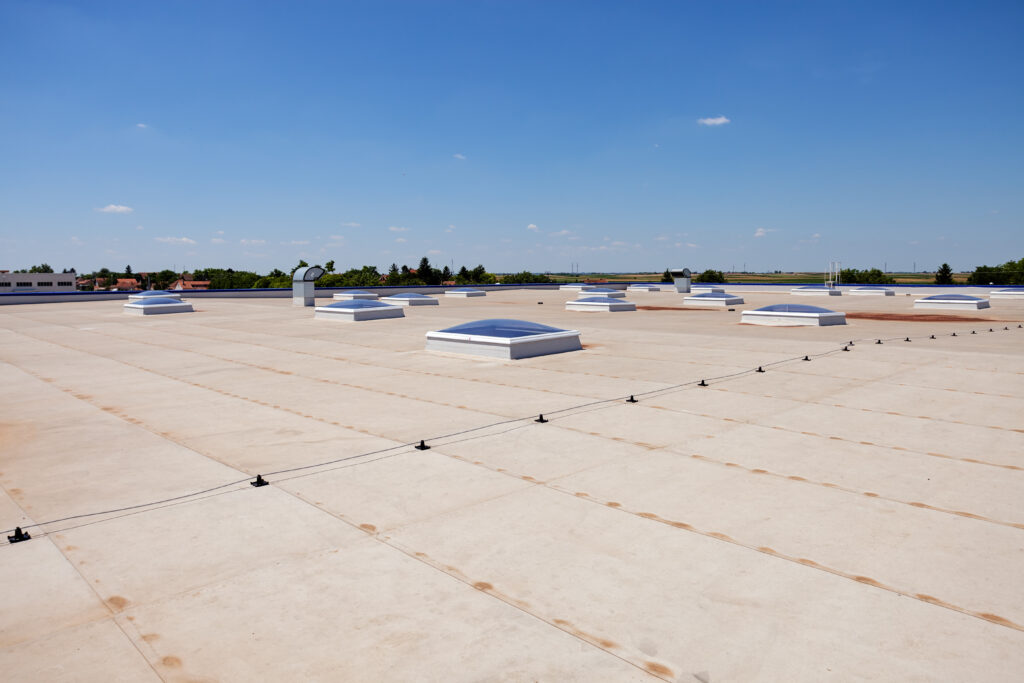
Commercial flat roofing systems are built for durability, but even the best roofing materials break down over time. Constant exposure to UV rays, moisture, and temperature changes can impact both the surface and the overall roof assembly.
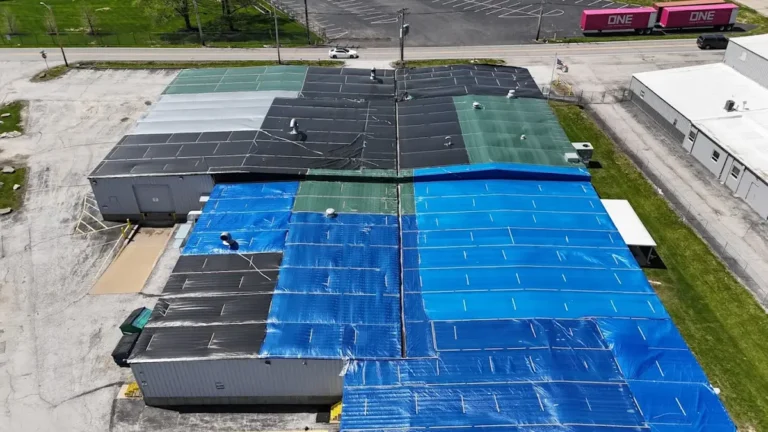
Many building owners try to extend the life of their roof through repairs, but there comes a point when a full commercial roof replacement is the more cost-effective and reliable option. Delaying replacement can result in interior damage, increased cooling costs, and interruptions to daily business operations.
- Persistent leaks: Ongoing water intrusion often signals widespread failure within the flat roofing system
- Ponding water: Standing water accelerates wear and can weaken structural components
- Membrane damage: Cracks, blisters, or seam separation reduce waterproofing effectiveness
- Frequent repairs: Repeated fixes often cost more long term than a full replacement
- Aging materials: Most low slope roofing systems last 20 to 30 years depending on system type and maintenance
In Nashville, commercial roofing systems must withstand heat, humidity, and severe storms throughout the year. These conditions can shorten the lifespan of older systems, especially when combined with heavy foot traffic from maintenance crews or equipment servicing.
We’re proud to serve home and business owners in Nashville, TN, and nearby communities with commercial flat roof replacement and more.
What Happens During a Commercial Flat Roof Replacement
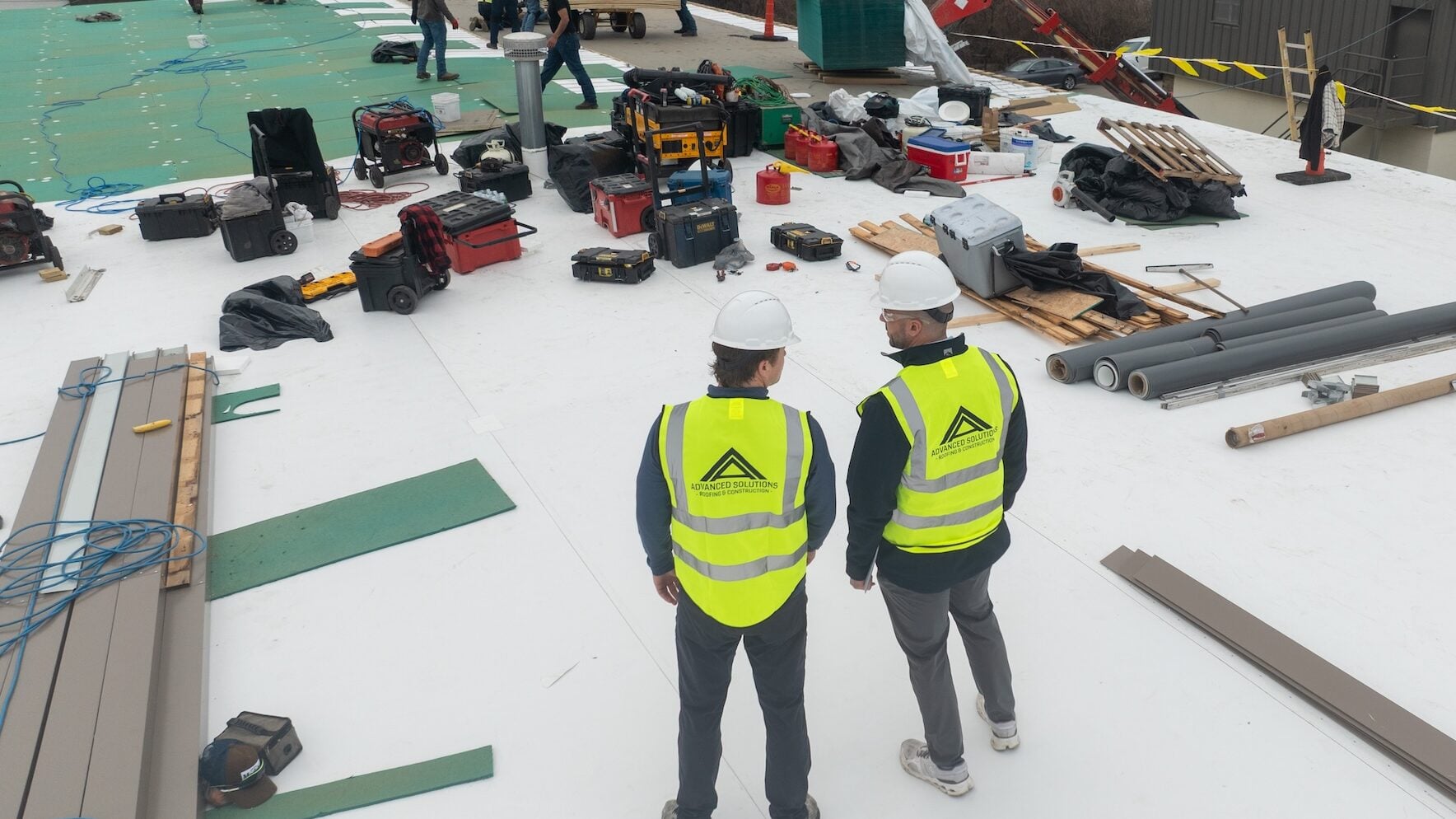
A commercial flat roof replacement follows a structured process, but each project is customized based on the building size, roofing system, and condition of the existing roof. Working with an experienced commercial roofing contractor ensures every phase is handled efficiently while minimizing disruption.
Before installation begins, a detailed inspection is performed to evaluate the current roof surfaces, insulation, and overall roof assembly. This step is critical for identifying hidden damage and ensuring the new system is installed correctly.
- Inspection and planning: Identifies moisture intrusion, insulation issues, and structural concerns
- Material selection: Determines the best commercial roofing materials based on durability, performance, and budget
- Tear-off and prep: Removes old roofing materials and prepares the surface for installation
- Installation: Applies the new commercial roofing system following manufacturer specifications
- Final inspection: Confirms quality workmanship and ensures warranty compliance
Popular Flat Roof Types
There are several types of commercial roofing systems to consider depending on your building’s needs. Many commercial buildings rely on single ply systems because they are lightweight, durable, and cost efficient for large surface areas.
- TPO roofing: A widely used single ply option that helps regulate building temperatures
- PVC roofing: Ideal for buildings exposed to chemicals or grease, such as restaurants
- EPDM roofing: A flexible and durable system that performs well in various climates
- BUR systems: Built-up roofing systems that provide multiple layers of protection
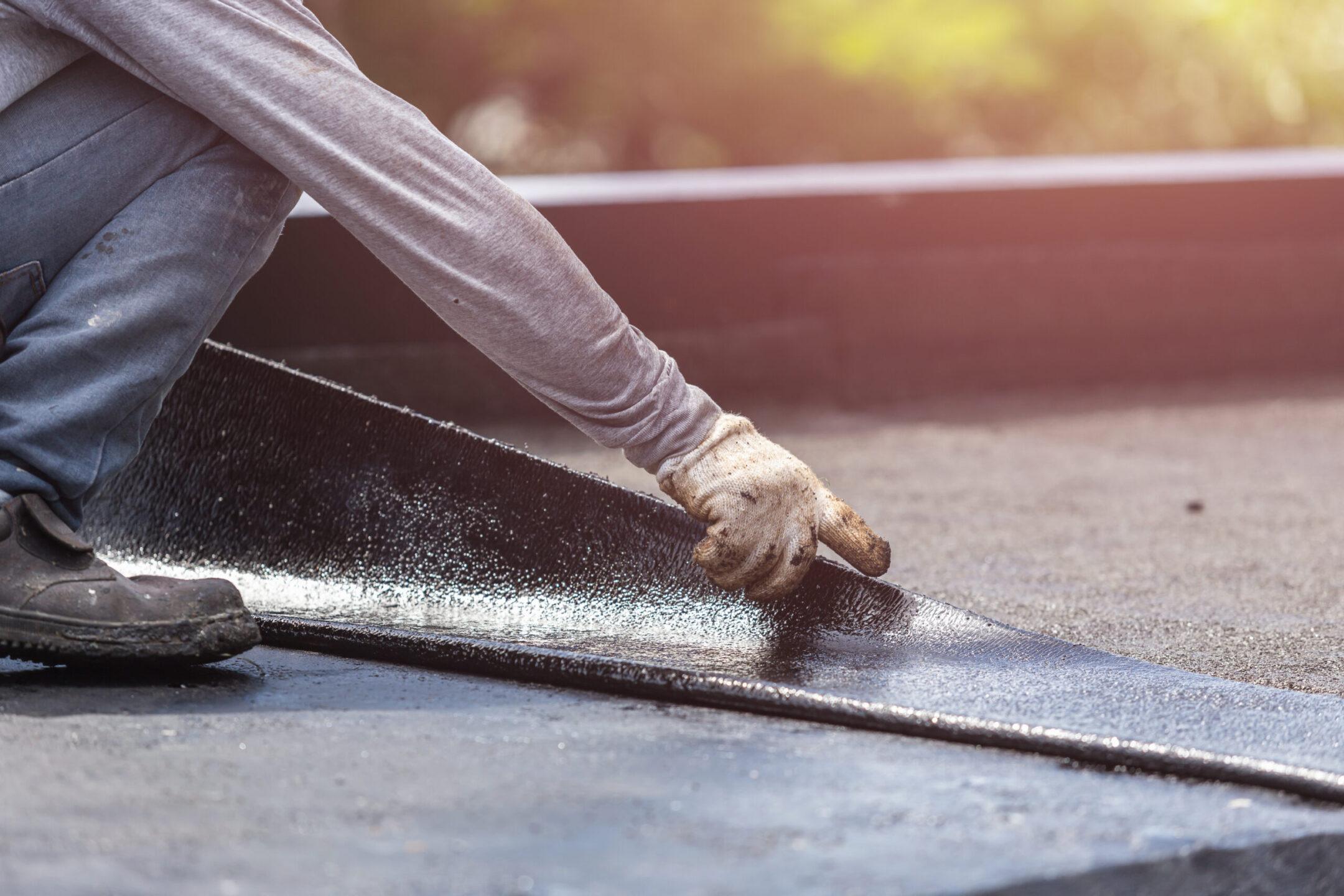
- Modified bitumen: A reinforced system designed for durability and waterproofing
- Metal roofing systems: A long-lasting option that can be used on certain commercial applications
- Elastomeric roof coatings: A solution for restoring and protecting existing roofing systems
In some cases, a metal roof may be used for sections of a property where slope or structural design allows for it, offering long-term durability and weather resistance.
Many commercial roofing systems also include customizable warranties that cover both materials and labor, giving property owners added peace of mind.
7 Key Factors That Affect Commercial Flat Roof Replacement Costs
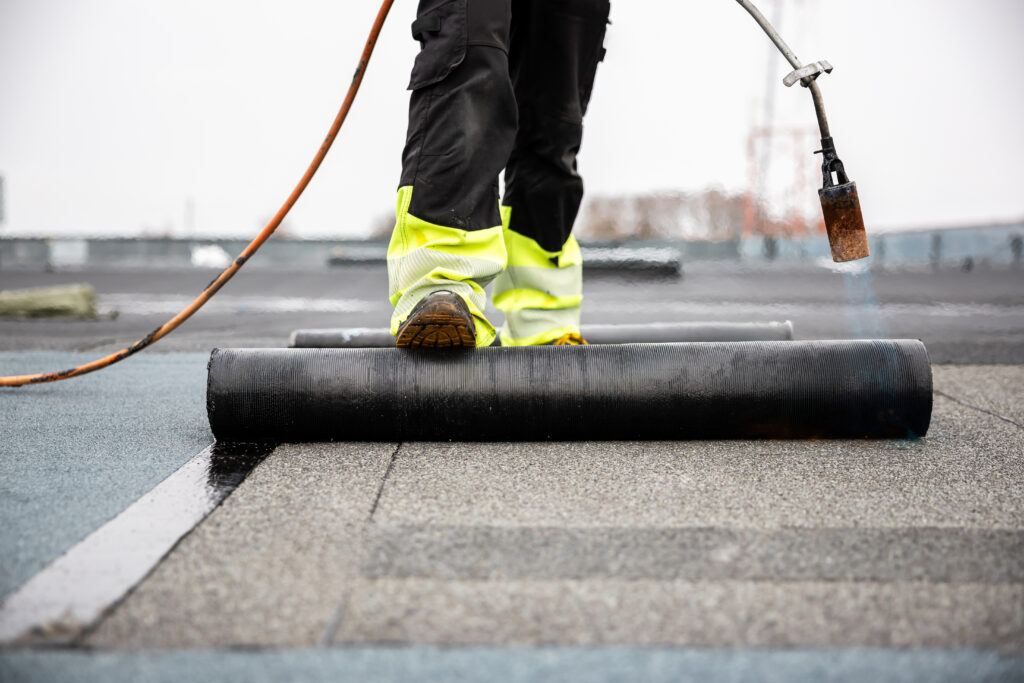
Understanding what impacts commercial roof replacement cost helps you plan your budget and make informed decisions.
- Roof size and layout: Larger commercial buildings with multiple roof surfaces require more materials and labor
- Material selection: Different commercial roofing materials vary in cost, performance, and lifespan
- Existing roof condition: Structural damage or multiple roofing layers increase labor and disposal costs
- Insulation upgrades: Improving insulation can help manage indoor temperatures and reduce long-term expenses
- Accessibility: Buildings with limited access or high traffic areas may require specialized equipment
- Weather conditions: Seasonal timing can affect installation efficiency and scheduling
- Warranty coverage: Extended warranties often increase initial cost but provide long-term protection
Comparing Popular Flat Roofing Systems
Choosing the right flat roofing system is one of the most important parts of any commercial roof replacement project. Each option offers unique benefits depending on your building’s needs.
| Roofing System | Best For | Lifespan | Key Benefit |
| TPO | Large commercial buildings | 20 to 30 years | Temperature control |
| PVC | Restaurants, chemical exposure | 20 to 30 years | Chemical resistance |
| EPDM | Budget-conscious properties | 20 to 25 years | Flexibility |
| Modified Bitumen | High-traffic roofs | 20 years | Durability |
| BUR Systems | Layered protection needs | 20 to 30 years | Redundancy |
| Metal Roofing Systems | Long-term durability | 40+ years | Longevity |
How to Prepare Your Business for Roof Replacement
A commercial roof replacement project does not have to disrupt your operations if you plan ahead. Clear communication with your commercial roofing contractor can help keep your business running smoothly throughout the process.
- Phased installation: Work is completed in sections to minimize operational impact
- Flexible scheduling: Crews can work around business hours when needed
- Safety measures: Proper barriers and signage maintain safe access for staff and customers
- Ongoing communication: Regular updates keep you informed throughout the project
During the project, you may notice noise, temporary access limitations, and increased activity around your building. Most commercial flat roof replacement projects are completed within about a month depending on the size and complexity.
The Importance of Maintenance After Replacement
A new commercial roofing system is a significant investment, and ongoing maintenance is essential to protect it. Without regular inspections, even high-quality roofing systems can develop issues over time.
- Early issue detection: Identifies small problems before they become costly repairs
- Warranty compliance: Many commercial roofing warranties require routine maintenance
- Cost savings: Preventative care reduces long-term repair and replacement expenses
- Extended lifespan: Proper maintenance helps maximize the life of your roofing system
Regular maintenance is one of the most effective ways to protect your commercial roof and avoid premature replacement.
Trust Advanced Solutions for Your Commercial Roofing Needs
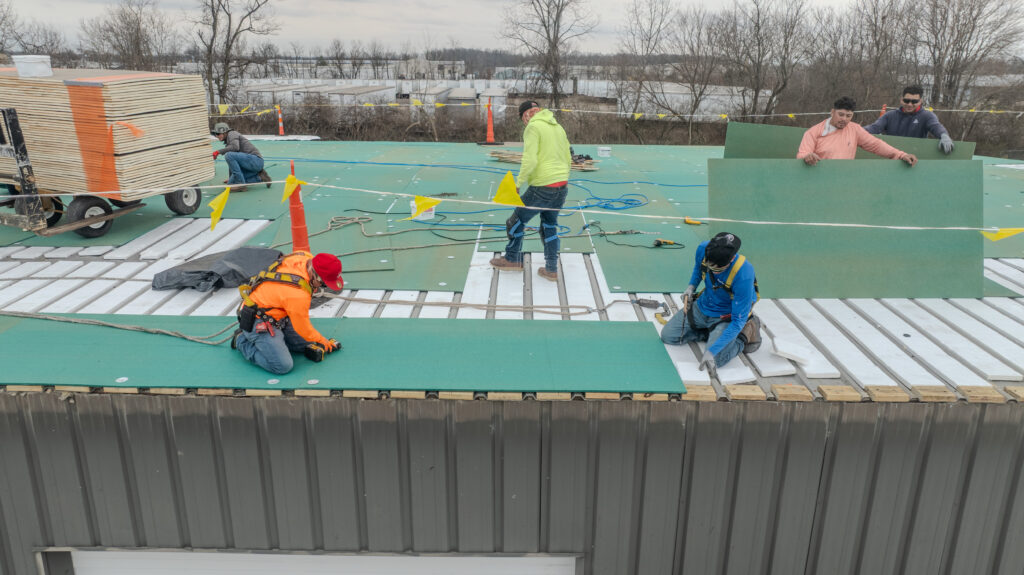
When it comes to commercial flat roof replacement, experience, efficiency, and communication matter. Advanced Solutions delivers professional commercial roofing services designed to minimize disruption while maximizing long-term performance.
As a veteran-owned company focused on quality, trust, and accountability, our team handles everything from inspection to installation with precision and care. We work with a wide range of commercial roofing materials and systems, ensuring each project is tailored to your building’s needs. If you are considering a commercial roof replacement or need guidance on your current roofing system, contact Advanced Solutions today for a free inspection and expert consultation.

Recent Articles