Featured Article
A Preventative Roof Maintenance Checklist for Autumn
Autumn is the last good window for regular roof maintenance, catching small problems before winter weather turns them into expensive ones. Preventative roof maintenance done in the fall clears drainage, tightens up weak spots, and gives your roof its best chance of getting through freezing rain, ice, and heavy snow without a roof leak. Pairing this checklist with a professional roof condition assessment gives you a clear picture of what you can handle yourself and what needs an experienced crew.
In this guide, we will cover:
- Why autumn is the right time to maintain your roof
- A ten point checklist you can follow this fall
- Safe, ground level checks anyone can perform
- Which tasks are best left to roofing professionals
- Answers to the questions property owners ask most
Why Autumn Is the Right Time for Roof Maintenance
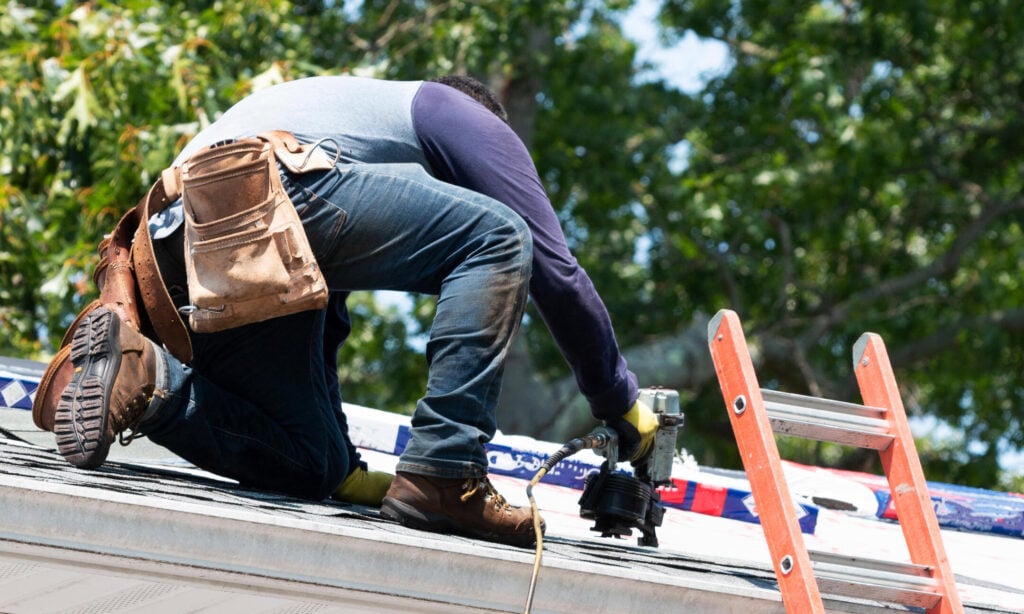
By the time fall arrives, your roof has already endured a full season of heat, UV exposure, storms, and foot traffic. Small cracks, loose sealants, aging roofing materials, and clogged drains that were harmless in summer can become active leaks once cold rain and freezing temperatures arrive. Addressing them now through regular roof inspections costs far less than repairing the interior damage they cause later.
Preventive roof maintenance guidance consistently points to the same fundamentals. The Whole Building Design Guide notes that an effective roof sustainment program includes roof inspections, penetration assessments, timely repairs, and interior inspections and testing for moisture intrusion, which is exactly the kind of routine this checklist is built around.
Buildings across Atlanta, GA, sit under heavy tree canopy, so fall leaf drop and pine needles can clog drainage quickly. We’re proud to serve home and business owners in Atlanta, GA, and nearby communities with roof maintenance and more.
What Neglect Costs Before Winter
Skipping fall maintenance rarely saves money. A clogged gutter can send water behind fascia and into walls, a loose flashing can feed a roof leak for months before a stain appears, and a small seam separation can allow moisture to reach insulation and decking. By the time symptoms show up inside the building, the repair is no longer a quick fix. It often involves wet insulation, damaged ceilings, and sometimes mold. A short checklist completed in October or early November costs a fraction of that, and it gives you a documented record of the roof’s condition that can support warranty and insurance conversations later. Proper maintenance is also one of the clearest ways to show an insurer or manufacturer that the roof was cared for.
10 Items on Your Autumn Roof Maintenance Checklist
Work through these items in order, starting from the ground and moving toward areas that are better left to professionals.
- Clear gutters and downspouts: Remove leaves, needles, and debris so water can leave the roof edge freely and not back up under the roofing.
- Clean drains and scuppers: On flat or low slope roofs, clogged outlets are a leading cause of ponding water and leaks.
- Trim overhanging branches: Cutting back limbs reduces falling debris, shade, and the risk of storm damage to the roof surface.
- Inspect flashing and sealants: Look for cracked, lifted, or missing flashing around vents, chimneys, skylights, and rooftop equipment.
- Check the roof surface: Watch for missing or curling asphalt shingles, lifted membrane seams, punctures, blisters, and bare patches where granules have worn away, and look closely at roof valleys where water and debris concentrate.
- Look for ponding water: Standing water that remains 48 hours after rain means the roof lacks proper drainage, which should be corrected before winter.
- Examine roof penetrations and equipment curbs: Pipes, vents, and HVAC curbs are common entry points for water and deserve a close look.
- Check attic and ceiling spaces: Stains, damp insulation, or musty odors can reveal slow leaks before they spread.
- Confirm ventilation and insulation: Proper airflow helps prevent moisture buildup and reduces the conditions that contribute to ice dams in colder weather.
- Document and schedule an inspection: Photograph what you find and book a professional inspection to confirm the roof is ready for winter.
Safe, Ground Level Checks Anyone Can Perform
You do not need to climb onto the roof to learn a lot about its condition. Walking the property and checking from a safe position can reveal early warning signs.
- Binoculars from the ground: Scan the roof for missing shingles, lifted edges, or sagging areas without leaving the ground.
- Gutter and downspout review: Look for overflow marks, loose sections, and granules collecting at the base of downspouts.
- Exterior walls and fascia: Water stains, peeling paint, or rot near the roofline can signal hidden leaks.
- Interior ceilings: Check upper floor ceilings and corners for discoloration, bubbling, or drips after rain.
- Safety first: Never walk on a wet or unfamiliar roof, since falls are one of the most serious risks in any roof inspection.
Seasonal Tasks: DIY Versus Professional
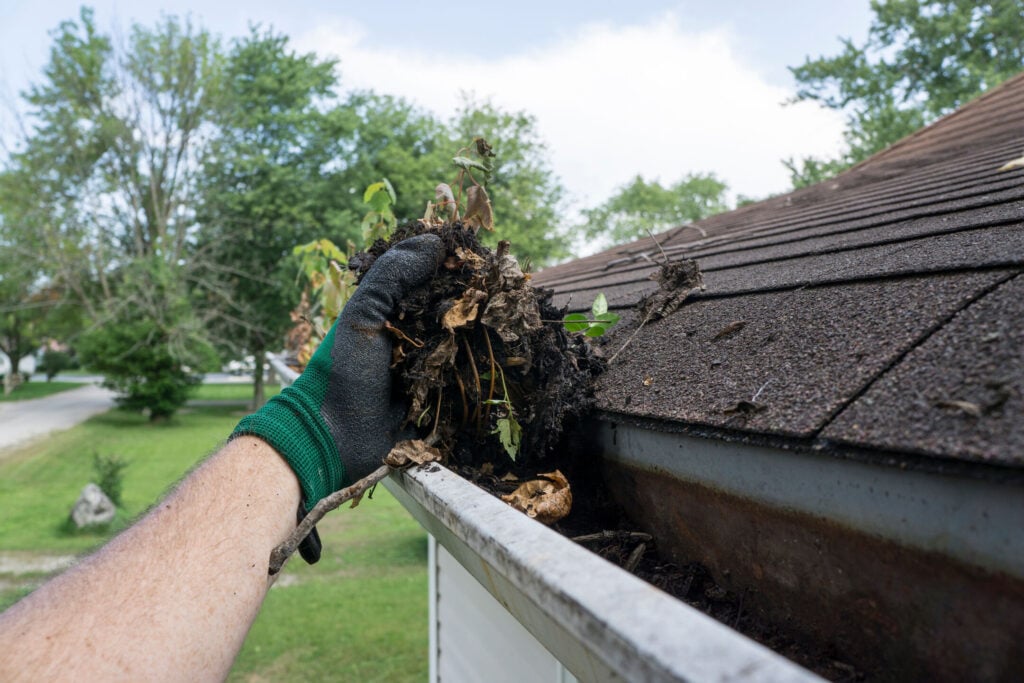
Some jobs are reasonable for a careful owner, while others call for training, fall protection, and the right materials.
| Task | Owner Can Handle | Best Left to a Professional |
| Clearing gutters from a ladder | Yes, with ladder safety | Large or high buildings |
| Trimming small branches | Yes, if safely reachable | Large limbs near the roof |
| Spotting visible damage from the ground | Yes | Confirming damage on the roof |
| Resealing flashing and penetrations | No | Yes |
| Repairing seams, membranes, or shingles | No | Yes |
| Moisture scans and detailed inspection | No | Yes |
Common FAQs About Fall Roof Maintenance
Property owners getting ready for winter tend to ask similar questions. Here are the ones we hear most often, including from owners around Atlanta.
How often should a roof be inspected?
Twice a year is the common recommendation, once in spring and once in fall. An extra inspection after any major storm helps catch damage before the next rain.
When is the best time to do fall roof maintenance?
Late September through early November is ideal in most regions, after leaves have mostly fallen and before the first hard freeze. Doing the work before winter weather arrives keeps repairs simple and conditions safe.
Can I do roof maintenance myself?
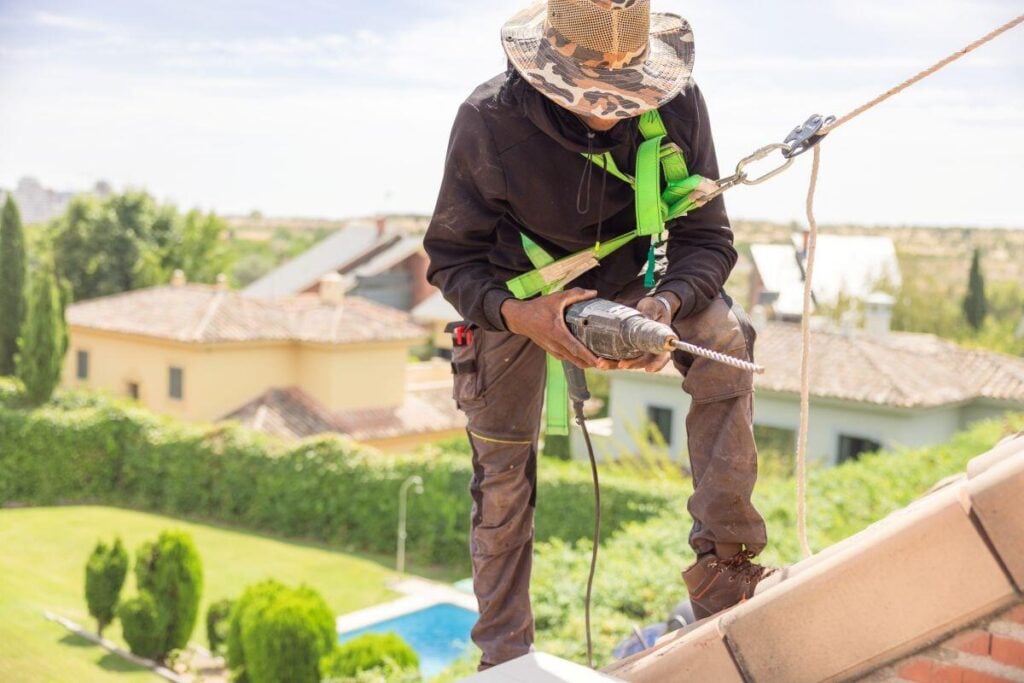
Ground level checks and gutter cleaning are often fine for owners comfortable on a ladder. Anything involving roof access, flashing, seams, or membrane repair is best left to trained crews with fall protection.
Does preventative maintenance really save money?
Yes. Catching small problems early avoids interior damage, emergency repairs, and early replacement, and a simple annual maintenance plan with a fall visit helps the roof reach its full expected service life.
What should I do if I find damage during my checklist?
Document it with photos, avoid walking on the roof, and call a roofing professional promptly. If the damage looks storm related, notify your insurance carrier before repairs begin.
Advanced Solutions: Roof Care That Gets You Through Winter
A roof that is cleaned, inspected, and repaired in the fall is far less likely to surprise you when the weather turns. Advanced Solutions has helped property owners across Texas, Missouri, Kentucky, Tennessee, and Georgia stay ahead of leaks and costly repairs, with veteran led crews who explain what they find and give honest recommendations.
If you want expert eyes on your roof before winter arrives, set up your autumn roof checkup and let our team make sure everything is ready.

Recent Articles