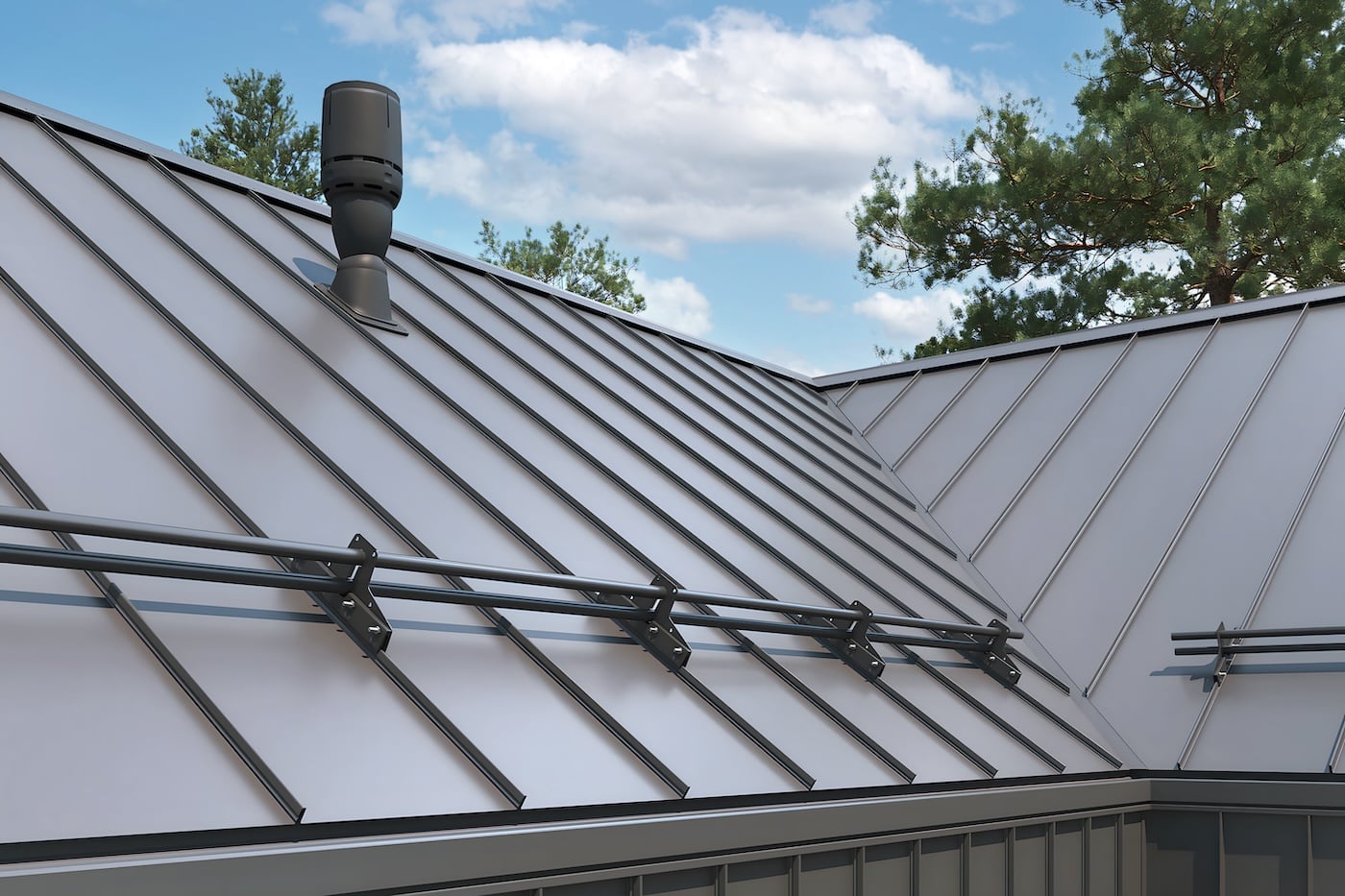
Featured Article
Standing Seam Metal Roofing: 9 Benefits for Commercial Roofs
Few roofing systems combine durability and design the way standing seam metal roofing does, which is why so many commercial property owners ask about it when planning a new installation or full roof replacement. With its raised seams and hidden fastener design, this system has earned a reputation for outperforming many traditional materials over the long run. If a metal roofing system is on your shortlist for your building, it helps to understand exactly what sets standing seam apart and where it delivers the most value.
In this guide, we will cover:
- What makes standing seam metal roofing different from other metal systems
- The biggest advantages for commercial and industrial properties
- How it compares to other common commercial roofing materials
- What to expect during installation
- Common questions property owners ask before choosing this system
What Sets Standing Seam Metal Roofing Apart
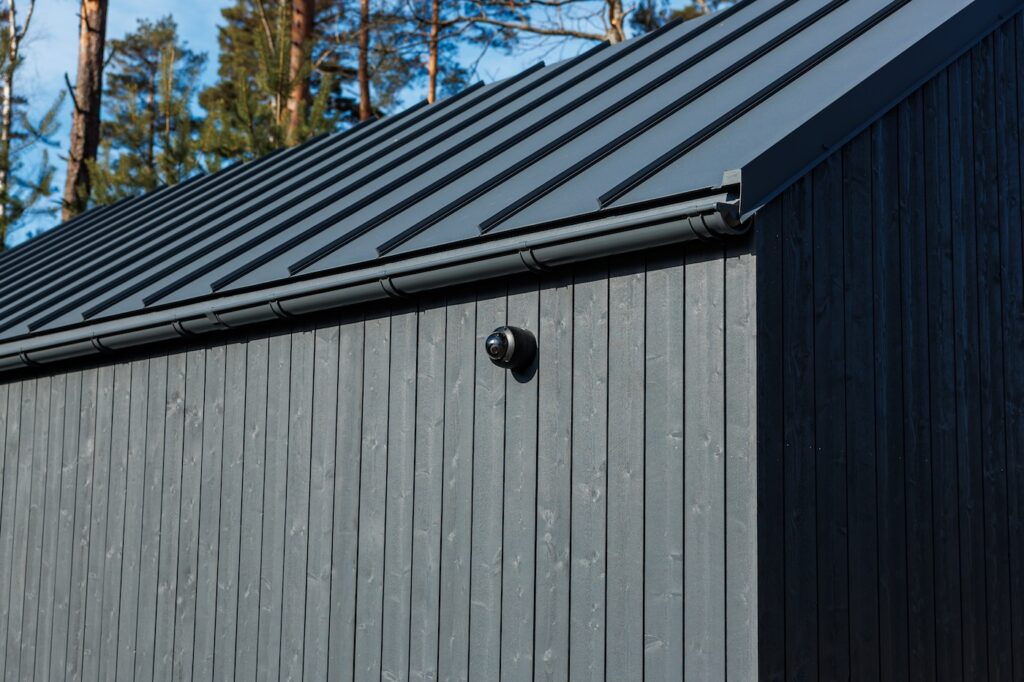
Standing seam metal roofing consists of vertical steel or aluminum panels connected by raised seams that interlock at each joint, with fasteners concealed beneath the seam rather than exposed on the panel surface. That hidden fastener design eliminates one of the most common failure points found on screw-down metal panels, since exposed fasteners tend to loosen and create leak paths over time. The system is engineered to stand up to the elements far better than many traditional materials, which is part of why it has become common on commercial buildings while still gaining ground in residential construction as well.
Properties across St. Louis, Missouri and the surrounding region deal with hot summers, cold winters, and the occasional severe storm, all of which test a roofing system’s ability to handle thermal movement and wind exposure. We’re proud to serve home and business owners in St. Louis, Missouri and nearby communities with metal roofing services and more.
How the Seam Design Improves Long-Term Performance
The interlocking seam design allows individual panels to expand and contract with temperature changes without compromising the watertight seal. This is a meaningful advantage over systems where panels are fixed rigidly in place, since rigid systems are more prone to stress cracking and seam separation as the building moves through seasonal temperature swings.
9 Benefits of Standing Seam Metal Roofing for Commercial Roofs
Property owners evaluating roofing options consistently point to the same set of advantages when standing seam comes up in the conversation.
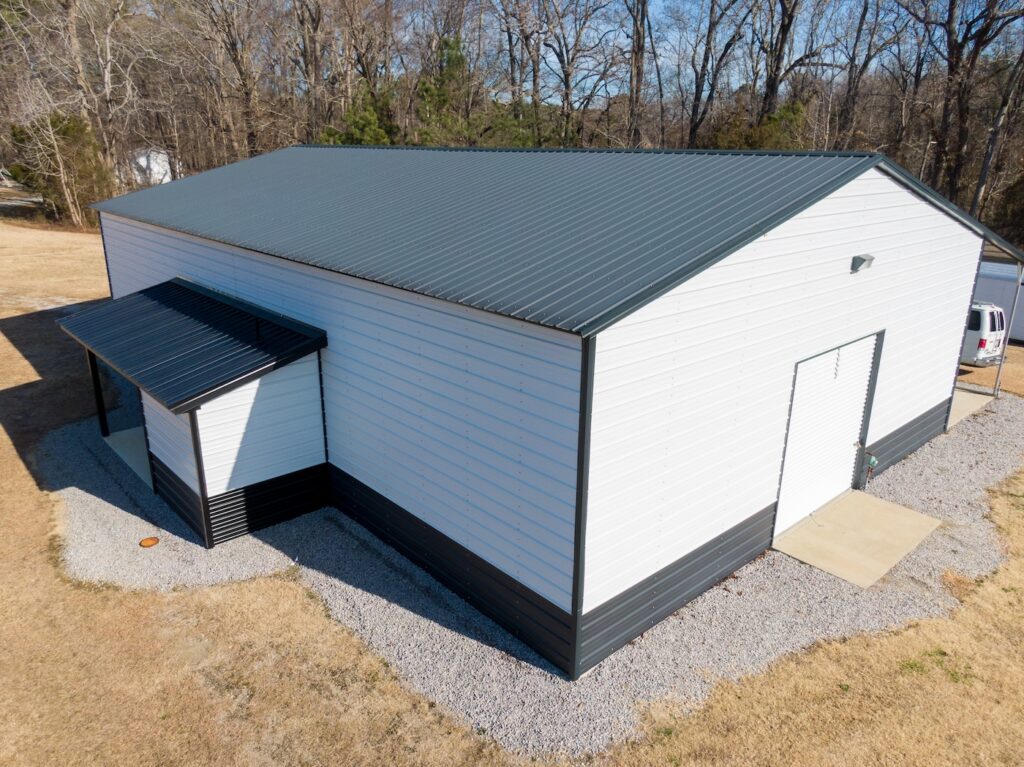
- Exceptional service life: Standing seam systems commonly last 40 to 60 years, far outpacing the typical lifespan of asphalt or single-ply alternatives.
- Strong wind resistance: Properly installed standing seam systems can be rated for wind resistance well above what many other commercial roofing materials achieve.
- Minimal maintenance: The durable substrate and hidden fastener design mean fewer routine repairs compared to systems with exposed seams or fasteners.
- Energy efficiency: Reflective coatings paired with standing seam panels can reduce cooling costs significantly during peak summer months.
- Lightweight construction: Metal panels weigh considerably less than many other roofing materials, reducing structural load on the building.
- Fire resistance: Standing seam metal roofing typically carries a Class A fire rating, the highest level available.
- Recyclable materials: Most standing seam systems are manufactured with significant recycled content and are fully recyclable at the end of their service life.
- Design flexibility: A wide range of panel widths, seam styles, and finishes allow standing seam roofing to fit nearly any architectural vision, while still delivering the sleek appearance and clean lines property owners associate with this system. Panels are available in various colors, including custom options, and standing seam systems can be curved to fit complex designs where a more traditional roofline will not work.
- Strong long-term value: The combination of longevity and low maintenance often makes standing seam a smarter investment over the life of the building, even with a higher upfront cost.
How Standing Seam Compares to Other Commercial Roofing Materials
Choosing between standing seam metal, single-ply membranes, and asphalt shingles usually comes down to budget, building type, and how long the property owner plans to hold the asset.
| Material | Typical Lifespan | Maintenance Needs | Best Fit |
| Standing Seam Metal | 40 to 60 years | Low | Long-term ownership, industrial and commercial buildings |
| Single-Ply Membrane (TPO/PVC) | 15 to 30 years | Moderate | Low slope commercial roofs on a tighter budget |
| Asphalt Shingles | 12 to 30 years | Moderate to high | Mixed-use buildings, churches, schools |
According to the Whole Building Design Guide, a federally affiliated resource maintained by the National Institute of Building Sciences, cool metal roofing typically has a minimum recycled content of 25 percent and is fully recyclable at the end of its long, useful life, which is one of the reasons standing seam systems are frequently chosen for sustainability-focused commercial projects. It is also worth noting that metal shingles often cost more than standing seam roofing on a per-square basis, since the shingle profile requires more detailed manufacturing and installation labor.
What to Expect During Installation
A standing seam installation typically begins with a structural assessment of the existing roof, followed by underlayment installation and panel placement using concealed clip systems that allow for proper expansion and contraction. Because precision matters so much with seam alignment and clip spacing, experienced installation is essential to achieving the wind resistance and watertight performance the system is capable of. Many manufacturers require specific installation guidelines to maintain warranty coverage, so working with a contractor familiar with those requirements protects the investment as much as the materials themselves.
- Structural assessment: Confirming the roof deck can support the new system is an important first step before panels are installed.
- Underlayment and clip installation: A quality underlayment combined with properly spaced clips supports both weather resistance and thermal movement.
- Panel seaming: Mechanical seaming typically offers the strongest performance, particularly on roofs with very low roof pitches where standing water resistance matters most.
Common FAQs About Standing Seam Metal Roofing
Commercial property owners researching this system tend to ask similar questions before committing to a project. Here are the ones we hear most often.
How long does a standing seam metal roof actually last?
Most standing seam systems are rated for 40 to 60 years when properly installed and maintained, making them one of the longest-lasting commercial roofing options available.
Is standing seam metal roofing more expensive than other options?
The upfront cost is typically higher than asphalt shingles or single-ply membranes, but the extended lifespan and low maintenance needs often make it more cost-effective over the life of the building.
What kind of maintenance does a standing seam roof need?
Maintenance for standing seam roofs includes regular inspections and debris removal, along with periodic checks of sealants and flashing. Damage to roof coating should be repaired to prevent corrosion, particularly on panels installed in coastal or industrial environments with higher exposure to moisture and contaminants.
Can standing seam metal roofing be installed over an existing roof?
In many cases, yes, particularly over asphalt shingles in good structural condition. A roof inspection will confirm whether your building is a good candidate for this approach.
Does standing seam metal roofing help with energy efficiency?
Yes. Reflective coatings combined with the inherent properties of metal panels can meaningfully reduce cooling loads, especially on buildings with significant rooftop HVAC demand.
Does standing seam metal roofing help with insurance claims after storm damage?
Documented storm damage to a metal roofing system can support an insurance claim, particularly when paired with a thorough inspection and clear reporting from an experienced roofing contractor.
Advanced Solutions: Metal Roofing Built to Last
Choosing a roofing system that will perform for decades is one of the most important decisions a commercial property owner will make, and standing seam metal roofing offers a strong combination of durability, efficiency, and design flexibility for many building types. Our team has helped property owners across Texas, Missouri, Kentucky, Tennessee, and Georgia evaluate and install metal roofing systems built to handle exactly these kinds of long-term demands.
Whether you are comparing standing seam against other commercial roofing materials or need guidance after storm damage, Advanced Solutions brings decades of combined industry experience to every project.
Curious whether standing seam metal roofing is the right investment for your property? Talk to our roofing team and get a clear, honest recommendation.