Featured Article
Industrial Roof Replacement: When It’s Needed in 2026
Industrial roof replacement is becoming a growing priority for industrial facilities and commercial buildings in 2026 as aging roofing systems continue to face increased stress from severe weather, temperature fluctuations, and long-term wear. While some roofing issues can be resolved with repairs or restoration, there comes a point when a full replacement becomes the most cost-effective and reliable solution. Understanding the warning signs, replacement process, and modern roofing options can help property owners protect operations, improve energy efficiency, and avoid costly disruptions.
- Aging roofing systems: Older industrial roofs are more likely to experience recurring leaks and structural issues.
- Operational protection: A failing roof can impact equipment, inventory, and daily production.
- Long-term value: A new roofing system improves durability, performance, and energy efficiency.
- Reduced repair costs: Replacing an aging roof can eliminate repeated maintenance expenses.
Why Industrial Roof Replacement Is Increasing in 2026
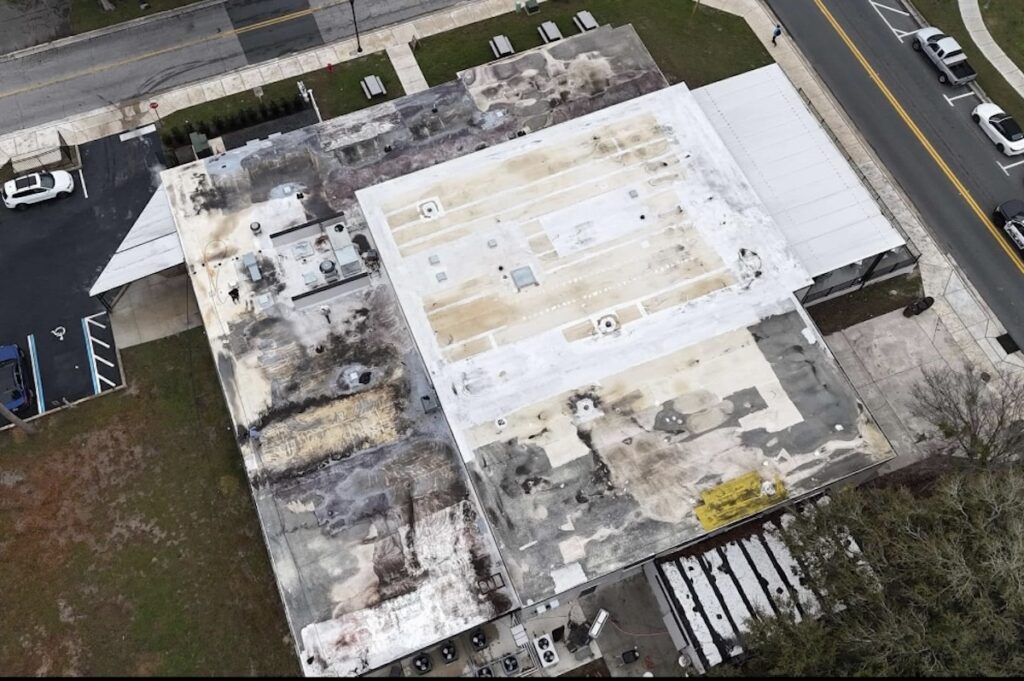
Many industrial roofing systems installed decades ago are reaching the end of their expected lifespan. Industrial buildings are also dealing with more intense weather patterns, increased rooftop traffic, and aging infrastructure that places additional stress on roofing materials.
At the same time, advancements in commercial roofing systems are making replacement more attractive for property owners focused on long-term performance. Modern roofing systems now offer improved insulation, better waterproofing, stronger durability, and enhanced energy efficiency compared to older materials.
Industrial roof replacement projects are also increasing because businesses want to avoid unplanned downtime caused by leaks, storm damage, and emergency repairs.
7 Signs an Industrial Roof Replacement May Be Needed
Not every roofing issue requires replacement, but recurring problems often indicate larger system failure.
1. Recurring Roof Leaks
Leaks that continue returning after repairs may indicate widespread roof damage or membrane deterioration. Over time, recurring leaks can impact insulation, interior equipment, and the overall structure of the building if left unresolved.
- Water intrusion in multiple areas
- Interior staining or moisture buildup
- Ongoing repair needs without long-term results
2. Significant Surface Damage
Visible deterioration across large sections of the roof often signals aging roofing materials. Surface damage can spread quickly when exposed to continued weather conditions and rooftop traffic.
- Cracking or blistering membranes
- Damaged flashing or seams
- Punctures or exposed insulation
3. Ponding Water on Flat Roofs
Standing water is a common issue on industrial flat roofs and can accelerate deterioration. Poor drainage can weaken roofing materials and increase the likelihood of leaks and structural stress.
- Water remaining longer than 48 hours
- Drainage issues or clogged systems
- Sagging roof areas
4. Rising Energy Costs
An aging industrial roofing system often loses insulation performance over time. As insulation weakens, buildings become harder to heat and cool efficiently. According to the U.S. Department of Energy, upgrading older commercial rooftop systems to high-efficiency models can result in a reduction of 20 to 50% in cooling and ventilation energy consumption per year — making energy efficiency one of the most compelling financial reasons to invest in industrial roof replacement rather than continuing with an aging system.
- Increased heating and cooling expenses
- Reduced indoor temperature control
- Higher overall operational costs
Modern commercial roofing systems can improve energy efficiency and help reduce utility expenses.
5. Structural Concerns
Long-term moisture intrusion can affect the structural integrity of industrial buildings. Structural issues often become more expensive to repair if roofing problems continue to worsen.
- Soft spots on the roof surface
- Rusted decking or supports
- Interior structural stress or sagging
6. Storm Damage Accumulation
Years of exposure to wind, hail, and heavy storms can weaken industrial roofing systems. Even smaller storms can gradually wear down roofing materials and seams over time.
- Repeated storm damage repairs
- Membrane lifting or punctures
- Damage around rooftop equipment
7. Roof Age
Every industrial roofing system has an expected lifespan depending on the roofing material and maintenance history. Older systems often become less reliable even if major issues are not immediately visible.
- TPO roofing systems: 20–30 years
- PVC roofing systems: 20–30 years
- Modified bitumen roofing: 20–30 years
- Metal roofing systems: 40+ years
Repair vs Industrial Roof Replacement
Some roofing issues can be addressed through repairs or restoration, but others require full replacement to maintain long-term performance. During the planning process, property owners should also consider long-term maintenance requirements, including the cost of mandatory annual roof inspections that may be needed to maintain warranties and system performance.
Repairs May Be the Right Option When:
Minor or isolated roof damage can often be repaired effectively if the roofing system is still structurally sound and relatively new.
- Damage is isolated to a small area
- The existing roof is still structurally sound
- The roofing system is relatively new
Replacement May Be Necessary When:
When damage becomes widespread or repair costs continue increasing, replacement often provides better long-term value and reliability. Industrial roof replacement projects also provide an opportunity to evaluate whether the building can support newer or heavier roofing materials before installation begins.
- Roof damage is widespread or recurring
- Repairs are becoming more frequent and expensive
- The roofing system has reached the end of its lifespan
- Energy efficiency and insulation performance have declined
A professional roof inspection helps determine whether repair, restoration, or replacement is the best solution.
Best Roofing Systems for Industrial Roof Replacement in 2026
Modern industrial roof replacement projects focus on durability, waterproofing, and long-term performance.
TPO Roofing
TPO roofing remains one of the most popular commercial roofing systems for industrial buildings because of its balance of cost, performance, and energy efficiency.
- Reflective surface improves energy efficiency
- Resistant to UV exposure and heat
- Cost-effective for large flat roofs
PVC Roofing
PVC roofing systems are commonly used for industrial facilities requiring strong chemical resistance and long-term waterproofing performance.
- Excellent waterproofing performance
- Durable welded seams
- Resistant to chemicals and grease exposure
Metal Roofing Systems
Metal roofing continues to be a leading option for industrial roof replacement due to its lifespan, strength, and weather resistance. While metal roofing systems typically require a higher upfront investment, their exceptional lifespan and reduced maintenance needs often provide strong long-term value for industrial buildings.
- Long-lasting roofing material
- Strong weather and impact resistance
- Low maintenance requirements
- Excellent long-term durability
Spray Foam Roofing
Spray polyurethane foam roofing creates a seamless barrier across industrial flat roofs while also improving insulation performance.
- Seamless waterproofing protection
- Improved insulation and energy efficiency
- Lightweight application over some existing roof systems
Modified Bitumen Roofing
Modified bitumen roofing systems remain a dependable option for industrial flat roofs that experience regular rooftop traffic and equipment access. The layered construction provides strong waterproofing performance while offering excellent durability under demanding conditions.
- High durability for heavy foot traffic
- Strong waterproofing protection
- Flexible performance in changing temperatures
- Reliable option for industrial roofing systems
Single-Ply Roofing Systems
Single-ply membranes such as TPO and PVC are among the most widely used commercial roofing systems for industrial buildings. These roofing materials provide strong waterproofing, energy efficiency, and chemical resistance for a wide range of industrial applications.
- Excellent reflectivity for improved energy efficiency
- Strong chemical resistance for industrial environments
- Lightweight installation for large industrial roofs
- Durable seams and waterproofing performance
What to Expect During an Industrial Roof Replacement
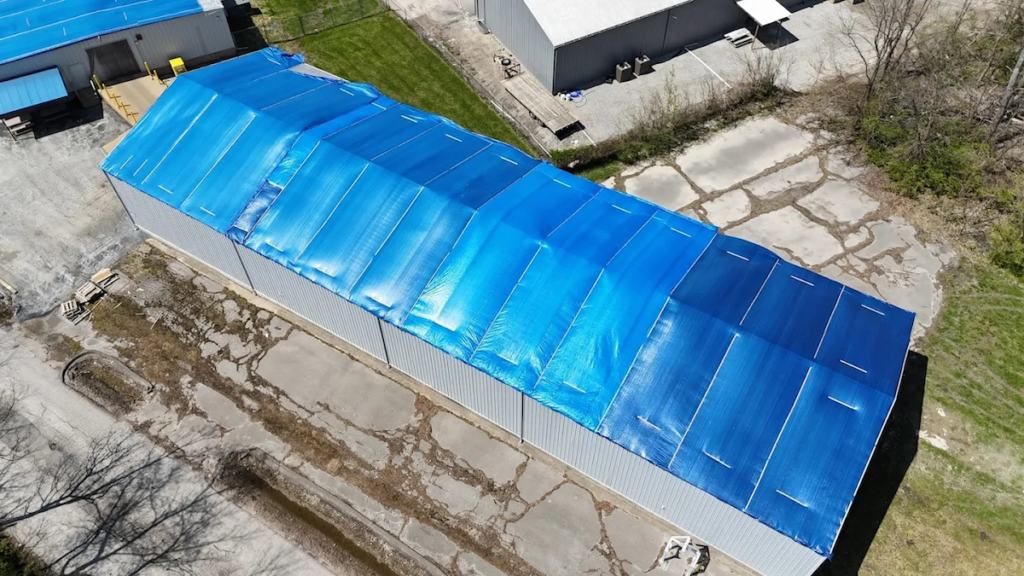
Industrial roof replacement requires careful planning to minimize disruptions and maintain workplace safety. A comprehensive replacement process often includes moisture scanning, documentation, and evaluation of the existing substrate before a new roofing system is installed.
Roof Inspection and Assessment
A roofing contractor evaluates the existing roof condition, identifies structural concerns, and recommends the best roofing system for the building. This stage also helps determine whether the roof requires tapering improvements to prevent pooling water and improve drainage performance. During the assessment process, the underlying roof deck should also be inspected for rust, rot, or water damage before the new roofing system is installed.
Planning and Scheduling
Project timelines, safety procedures, and material logistics are coordinated to reduce operational interruptions. Proper planning is especially important for industrial facilities that need to maintain production during construction. In many cases, phased construction can be used to complete sections of the industrial roof replacement in stages, helping minimize operational disruption while work is underway.
Roof Removal and Installation
Old roofing materials may be removed before the new roofing system is installed according to manufacturer guidelines and building requirements. Installation methods vary depending on the roofing material selected and the condition of the existing structure.
Final Inspection and Quality Check
A final inspection confirms proper installation, waterproofing performance, and system integrity. This step helps ensure the roof is ready for long-term use and manufacturer warranty compliance.
Why Industrial Roof Replacement Is a Long-Term Investment
Research indicates that the costs associated with roof leaks, water intrusion, and roofing system failures often exceed the cost of preventative maintenance, repairs, and planned roof replacement projects. For industrial facilities, delaying replacement can lead to operational disruptions, damaged inventory, equipment issues, and higher long-term expenses.
Replacing an aging industrial roofing system is often a strategic investment that improves reliability, energy efficiency, and long-term building protection.
Preventative Maintenance After Replacement
Even a new industrial roofing system requires ongoing maintenance to maximize performance and lifespan. Preventative maintenance helps identify small issues early before they develop into larger repairs.
- Schedule roof inspections twice a year
- Clean drainage systems regularly
- Monitor flashing and seams
- Address minor roof damage early
Routine maintenance helps extend the life of commercial roofing systems and reduce long-term repair costs.
Why Timing Matters for Industrial Roof Replacement
Waiting too long to replace an aging industrial roof can lead to larger structural problems, interior water damage, and operational disruptions. Delaying replacement often increases repair costs and raises the risk of emergency roof failure.
Planning proactively allows industrial property owners to choose the best roofing material, improve energy efficiency, and complete the project before major problems develop.
Common FAQs About Industrial Roof Replacement
Industrial roof replacement projects often involve questions about timelines, costs, maintenance, and system performance. Understanding the replacement process helps property owners make informed decisions and better prepare for long-term roofing needs.
How long does an industrial roof replacement take?
Project timelines vary depending on the size of the building, weather conditions, and the roofing system being installed. Most industrial roof replacement projects take anywhere from several days to a few weeks.
Can industrial roof replacement be completed without shutting down operations?
In many cases, yes. Proper planning and scheduling allow roofing contractors to minimize disruptions and maintain normal business operations throughout much of the project.
What is the best roofing system for industrial buildings?
The best roofing system depends on the building type, climate, budget, and operational needs. TPO, PVC, metal roofing, modified bitumen, and spray foam roofing are among the most common options for industrial facilities.
How often should industrial roofs be inspected?
Industrial roofing systems should typically be inspected at least twice a year and after major weather events to identify damage early and maintain long-term performance. The cost of annual inspections should also be factored into long-term maintenance planning.
Can a new roof improve energy efficiency?
Yes. Modern commercial roofing systems often include reflective surfaces and improved insulation that help reduce heat transfer and lower heating and cooling costs. Single-ply roofing systems like TPO and PVC are especially known for their energy efficiency and reflectivity.
Trust Advanced Solutions for Industrial Roof Replacement
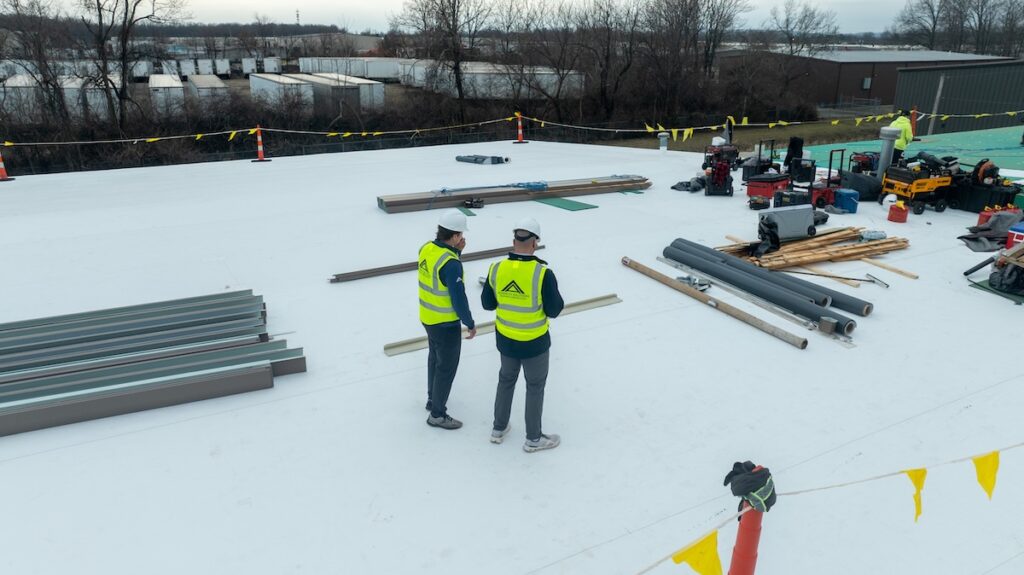
Advanced Solutions provides expert industrial roof replacement services for industrial facilities, warehouses, manufacturing plants, and commercial buildings. Our team evaluates existing roofing systems, identifies long-term solutions, and delivers replacement services designed for durability and performance.
Whether your building needs a complete industrial roof replacement, storm damage restoration, or a professional roof inspection, Advanced Solutions delivers reliable commercial roofing solutions built around long-term protection and operational efficiency. Based in Southlake, TX and serving commercial property owners nationwide. Contact us for a free estimate.

Recent Articles