Featured Article
Commercial Roof Inspection: 7 Key Checks to Know
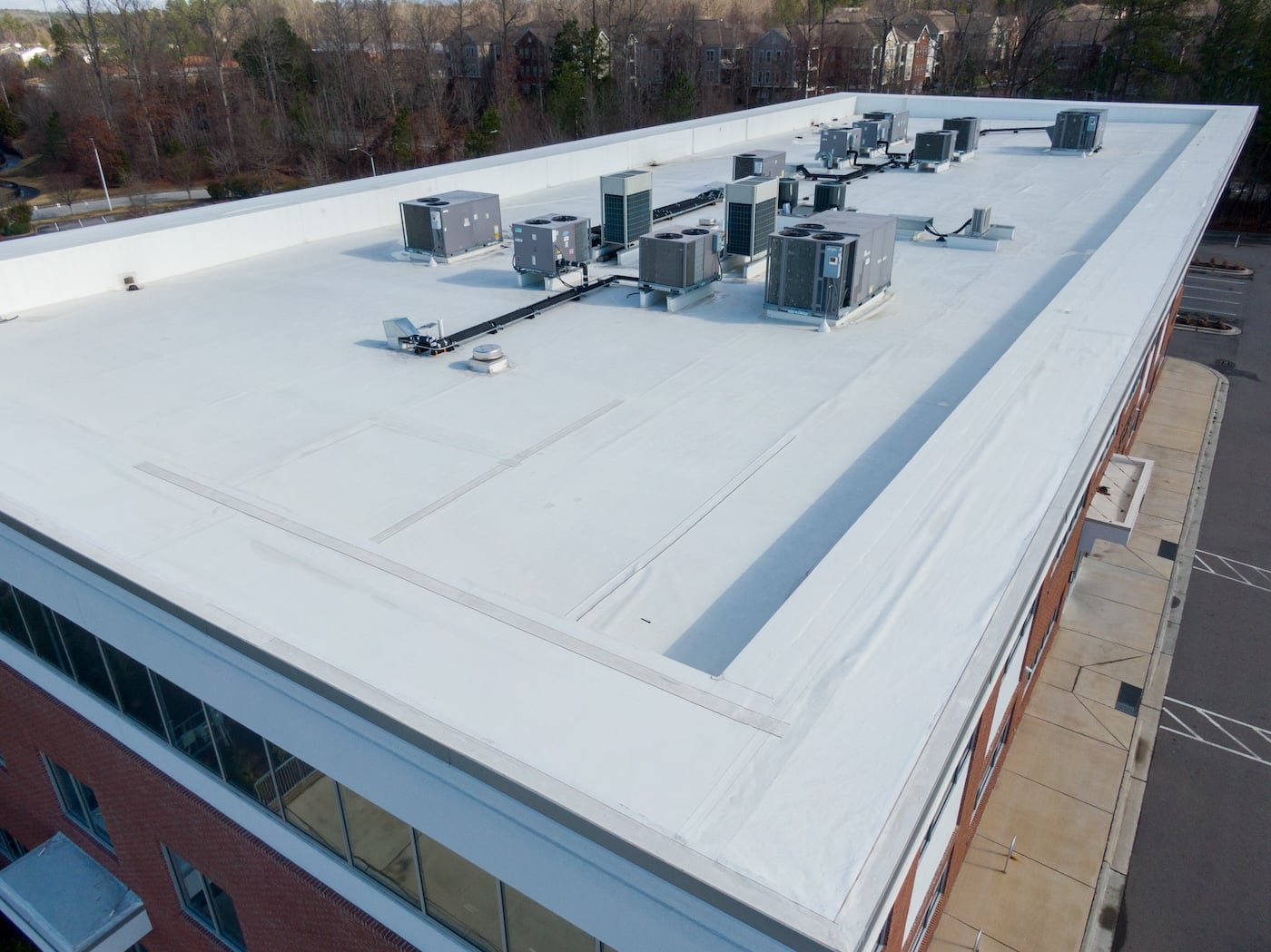
A commercial roof inspection is one of the most effective ways to protect your building from long-term damage and unexpected operational issues. Businesses in Memphis, TN rely on thorough evaluations to identify early-stage problems, reduce repair costs, and ensure their roofing system continues performing through changing weather conditions. A complete inspection assesses drainage, membrane condition, structural components, penetrations, and rooftop equipment to determine how well your roof is holding up.
- Early detection: Stops minor issues from becoming major repairs.
- Better planning: Helps you prepare for upcoming maintenance needs.
- Longevity: Extends the service life of your roofing system.
- Risk reduction: Lowers the chance of leaks, shutdowns, or safety hazards.
We’re proud to serve home and business owners in Memphis, TN and nearby communities with commercial roof inspections and more.
Why Commercial Roof Inspections Matter
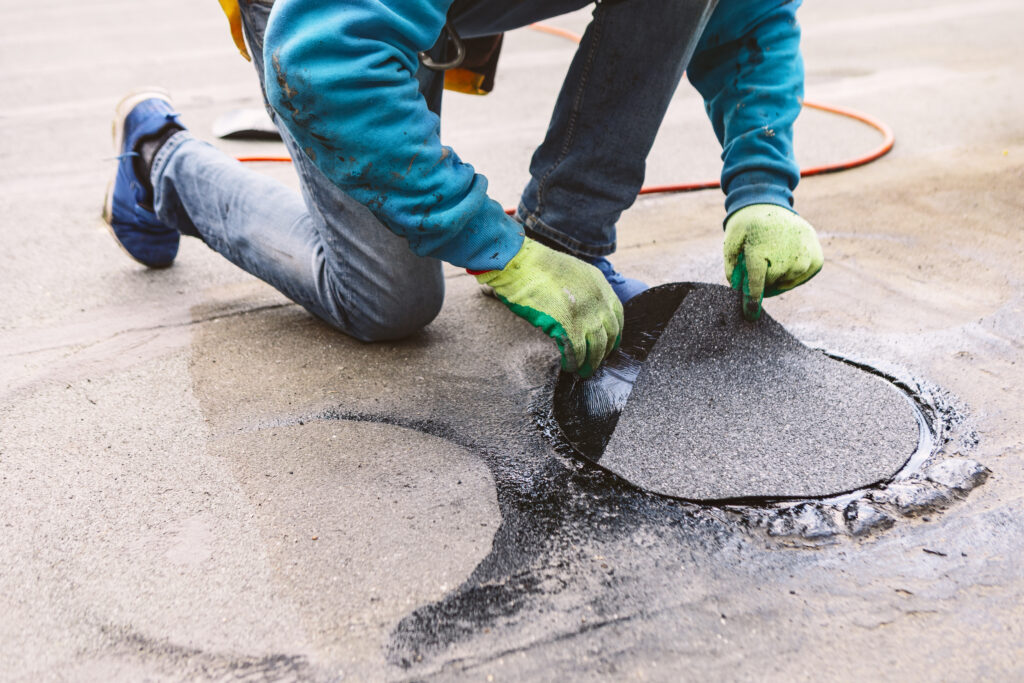
Commercial roofs experience ongoing heat, sunlight, foot traffic, equipment loads, and weather shifts. Over time, these routine stressors can weaken the roofing system unless they are monitored regularly. A professional inspection highlights areas showing early signs of wear, helping you avoid the kinds of failures that develop when issues remain undiscovered.
Inspections also provide documentation that helps property owners track how their roof is aging and how environmental factors are affecting its performance. With consistent evaluations, you gain a clearer understanding of what repairs are needed, how to prioritize them, and how to plan for long-term maintenance that supports the overall health of your building.
What Inspectors Evaluate During a Commercial Roof Assessment
A full commercial inspection examines several major components that affect roofing performance. Each area plays a role in preventing leaks, supporting structural stability, and managing long-term wear.
Membrane and Surface Condition
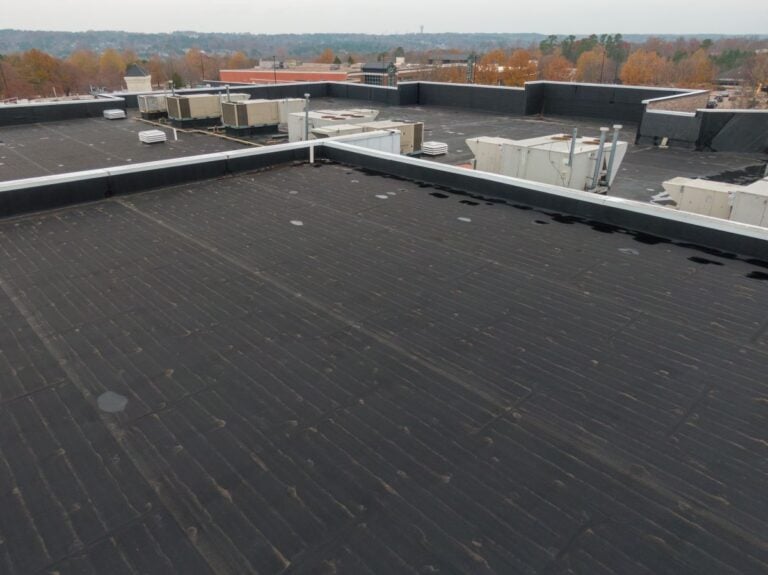
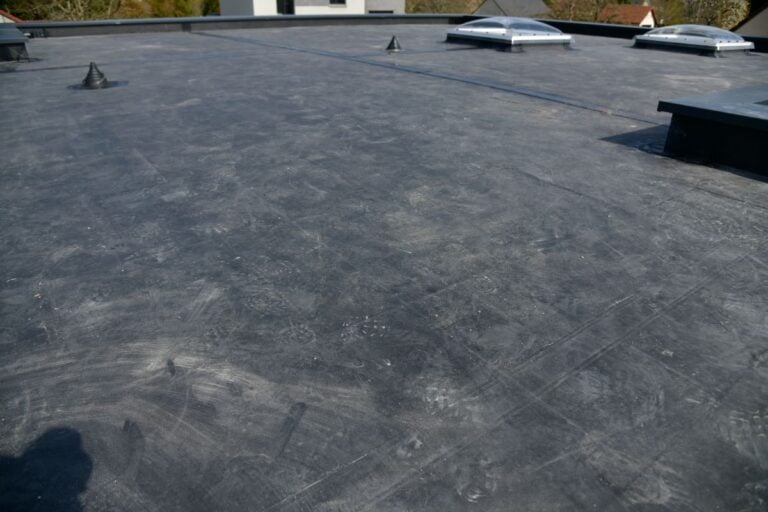
Inspectors evaluate the membrane to understand how well it is standing up to daily use. This section of the inspection looks for deterioration, aging, or damage that may compromise the system over time. Membranes naturally change as they age, and this review reveals whether those changes are within normal limits or require attention.
Drainage and Water Flow
Drainage is one of the most important factors in roof performance. When water does not move freely, it collects in low areas and accelerates deterioration. Inspectors confirm that the roof slopes correctly, that drains are functioning, and that no debris is preventing water from exiting the surface.
Flashings and Connection Points
Flashings protect the most vulnerable transitions on your roof. During an inspection, these areas are reviewed closely for separation, cracking, or worn sealant. Because transitions are common sources of leaks, this step is crucial for preventing interior moisture intrusion.
7 Key Checks Every Commercial Roof Inspection Should Include
This checklist outlines the essential evaluation points your contractor should cover during an inspection.
- Surface wear and membrane condition: Identifies visible signs of deterioration.
- Drainage performance: Evaluates flow patterns and removes blockages.
- Flashings and transitions: Reviews connection points where leaks often form.
- Penetration seals: Ensures vents, pipes, and curbs are properly sealed.
- Insulation moisture levels: Detects wet or soft insulation beneath the membrane.
- Perimeter and edge stability: Confirms edges are secure and resist uplift.
- Rooftop equipment: Checks for leaks, vibration damage, and unstable supports.
Material Type Affects What Inspectors Look For
Different commercial roof systems have distinct vulnerabilities. Understanding these differences helps determine maintenance needs and inspection priorities.
| Roofing Material | What Inspectors Focus On | Common Concerns |
| TPO | Welds, flexibility, surface wear | UV damage, seam issues |
| EPDM | Adhesion, shrinkage, punctures | Open seams, cracking |
| PVC | Weld integrity, chemical exposure | Brittleness, seam stress |
| Modified Bitumen | Granule loss, blistering | Heat damage, cracking |
| Metal | Fasteners, alignment, coating | Corrosion, loose screws |
Warning Signs That Indicate You Need an Inspection
Some roofing issues require prompt attention because they indicate deeper problems that may not be visible from the surface.
Situations That Should Be Evaluated Quickly
A few conditions signal that your roof might be compromised and should be examined as soon as possible. These indicators often develop suddenly and tend to worsen if ignored.
- Interior moisture: Spots, staining, or leaks inside the building.
- Pooling water: Standing water that does not drain after rainfall.
- Recent storms: High winds, heavy rain, or hail exposure.
What a Professional Roof Inspection Report Should Include
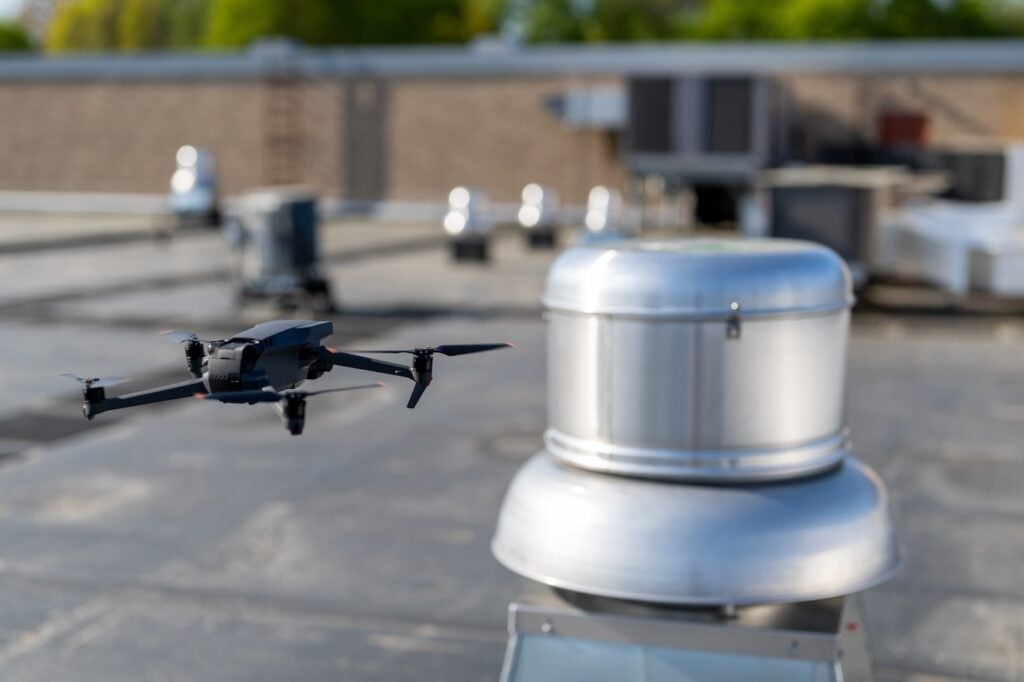
A high-quality inspection report gives you clear documentation of your roof’s condition, enabling you to make informed decisions about maintenance, repairs, or replacements. Reports should be straightforward, visually supported, and structured to help property owners understand both current needs and long-term considerations.
Key Components of an Effective Report
Although every roofing system is different, strong inspection reports consistently include several core elements. These components help you make confident decisions and plan in a way that protects your investment.
- Photographic documentation: Clear images of areas that need attention.
- Repair priorities: Categorized recommendations for urgent, moderate, or future work.
- Maintenance guidance: Steps to preserve material performance and reduce wear.
How Routine Inspections Help Prevent Major Roof Failures
Beyond identifying surface-level issues, routine commercial roof inspections play a key role in preventing large-scale failures that can disrupt operations and create unexpected expenses. Inspections help track how your roof is adapting to weather changes, aging materials, and mechanical activity over time. This ongoing visibility allows building owners to intervene early and maintain safer, more predictable performance.
- Spotting progressive deterioration: Small cracks, weakened seams, or slow drainage often develop gradually.
- Reducing structural risks: Early detection protects decking, insulation, and interior spaces.
- Supporting compliance and documentation: Regular inspections help maintain warranty requirements and facility records.
Consistent evaluations ensure your roof is prepared for seasonal shifts and long-term use, especially in climates with high heat and storm activity like Memphis.
Advanced Solutions: Strengthening Commercial Roofs With Confidence
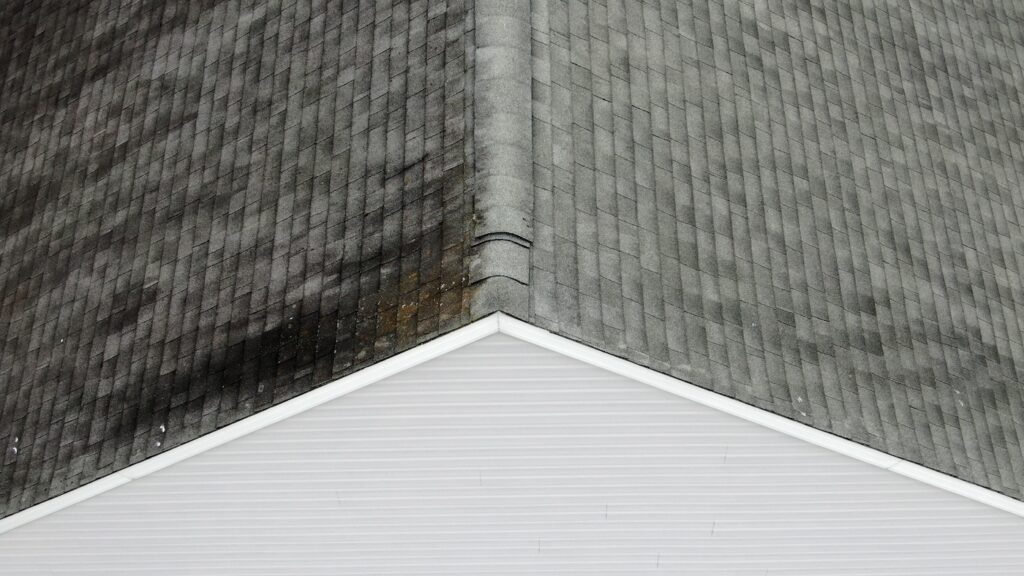
Advanced Solutions delivers inspection expertise that supports smarter planning and more secure operations for Memphis businesses. Our team provides clear findings, practical recommendations, and dependable service that puts your property’s protection first. Whether you’re building a maintenance strategy or addressing specific concerns, we’re here to help you move forward confidently. Contact us today to schedule your commercial roof inspection and ensure your building stays prepared for every season. Our certified team is located in Southlake, TX and proudly serves commercial property owners nationwide.